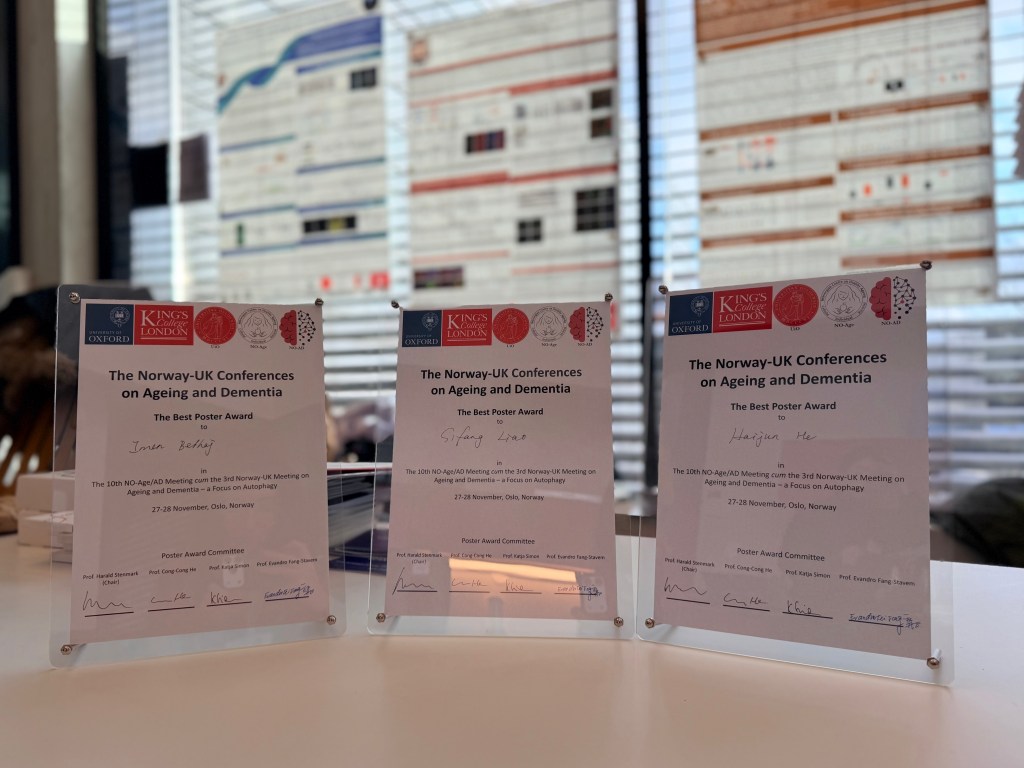
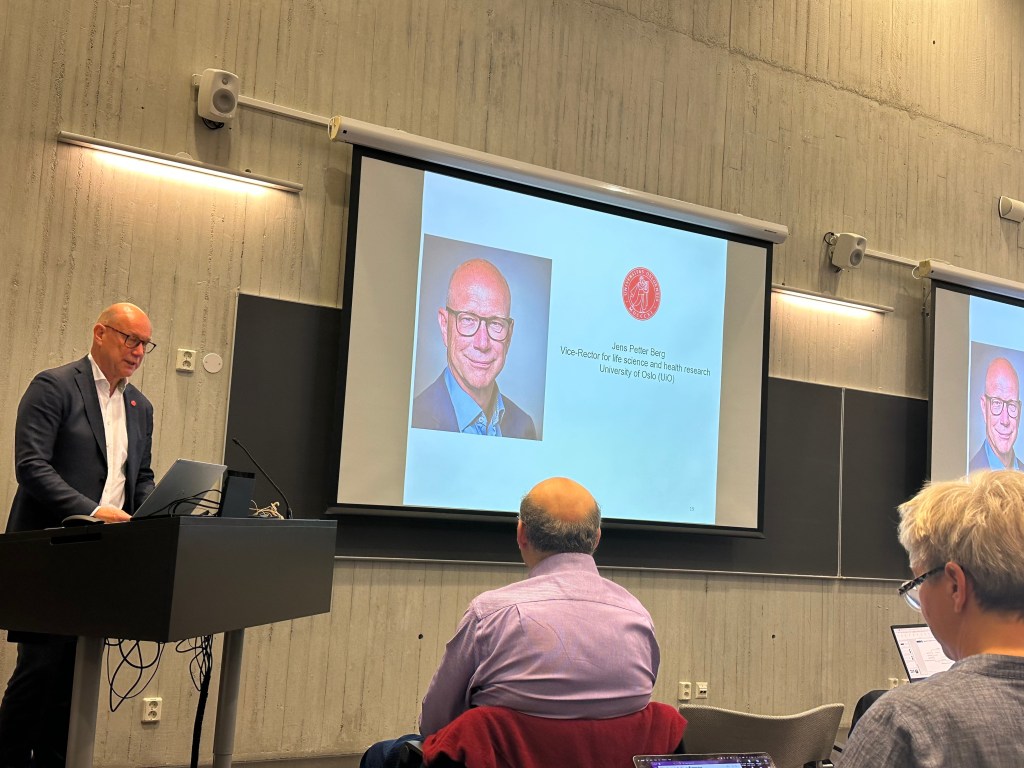
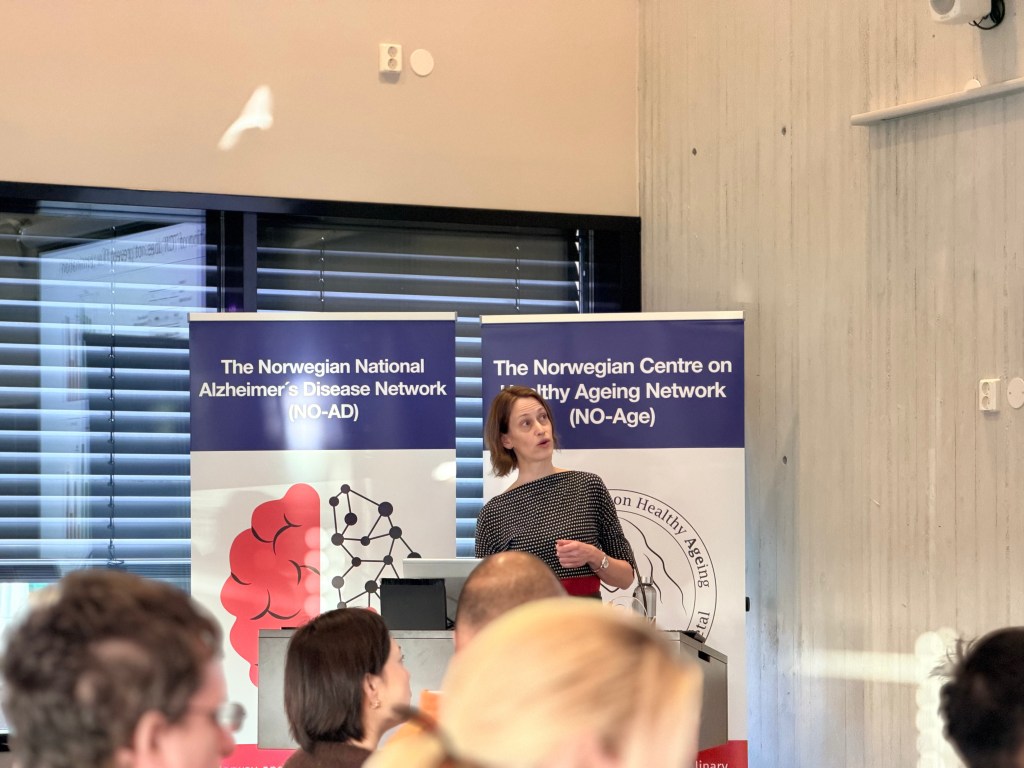
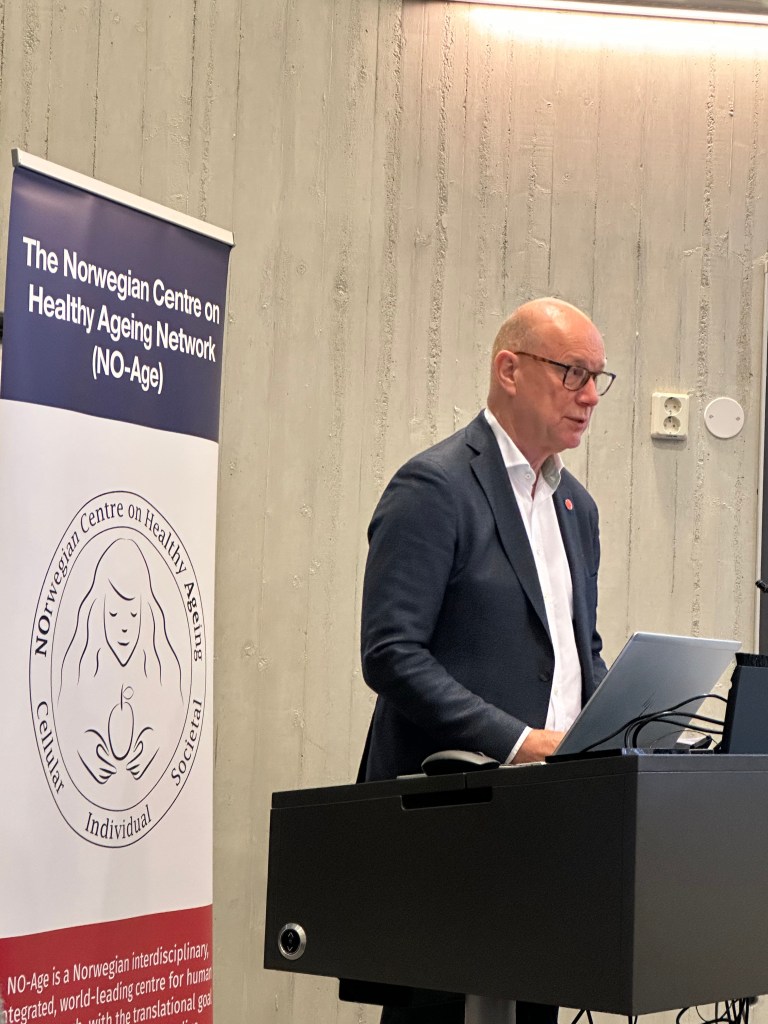
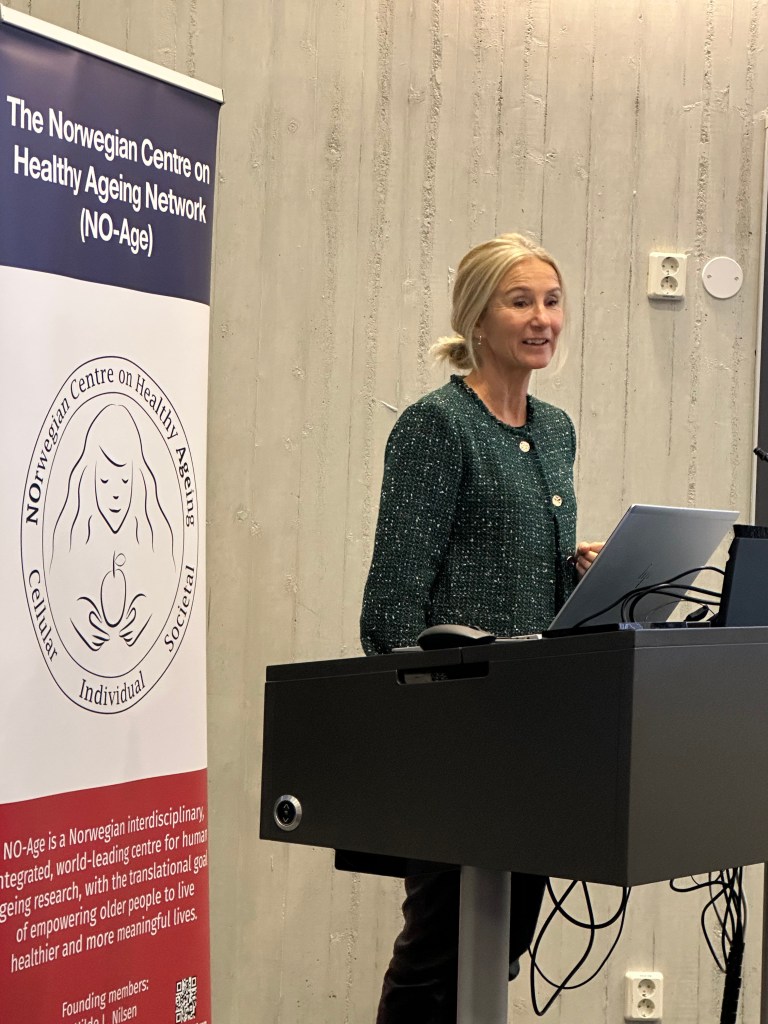
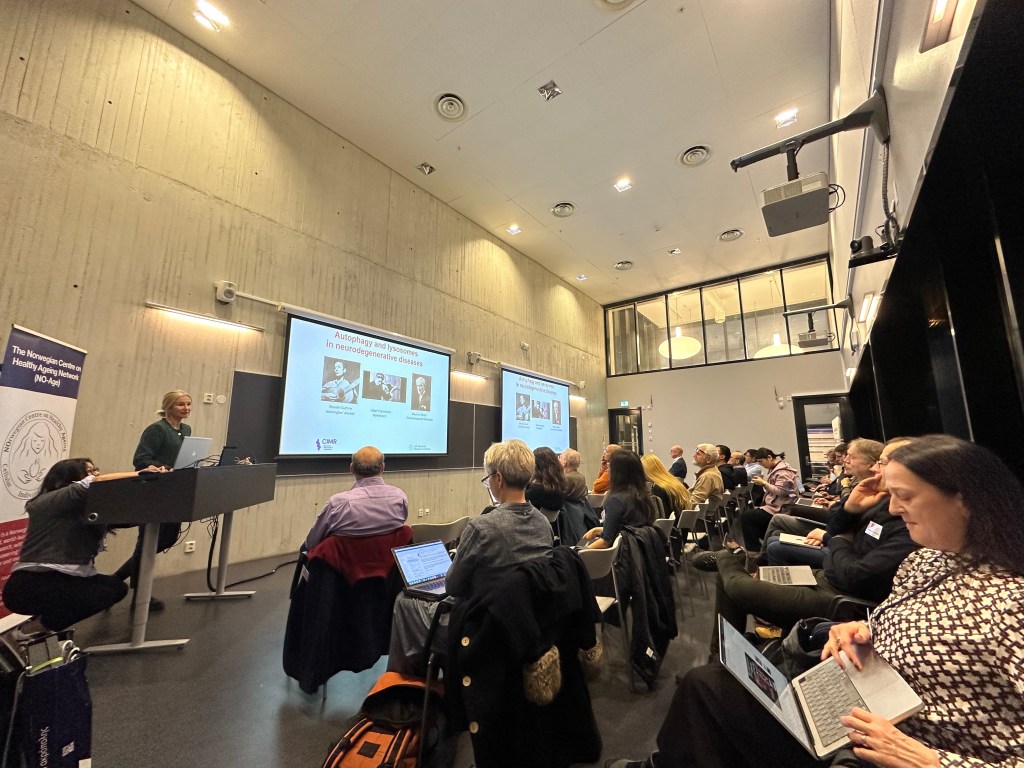
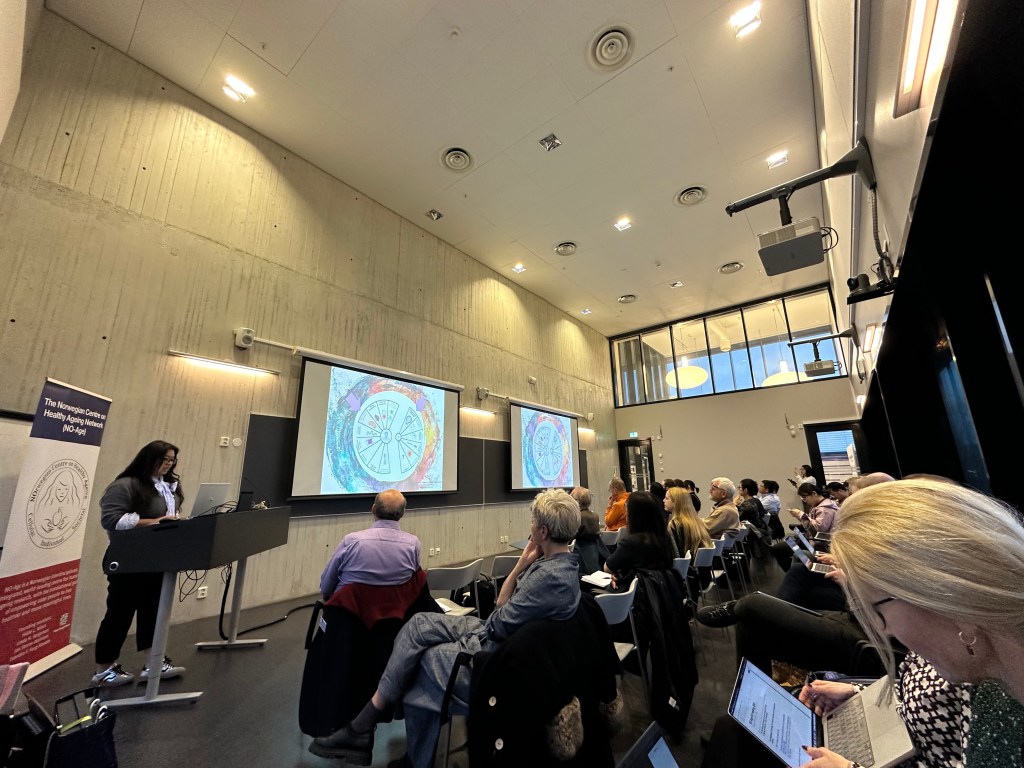
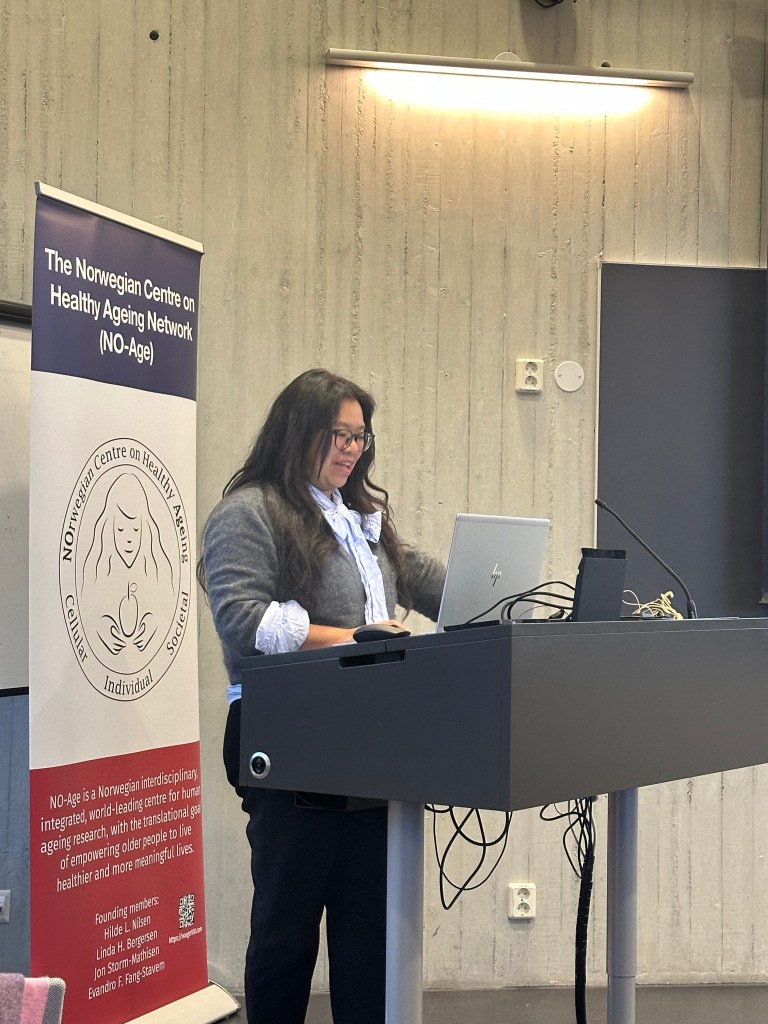
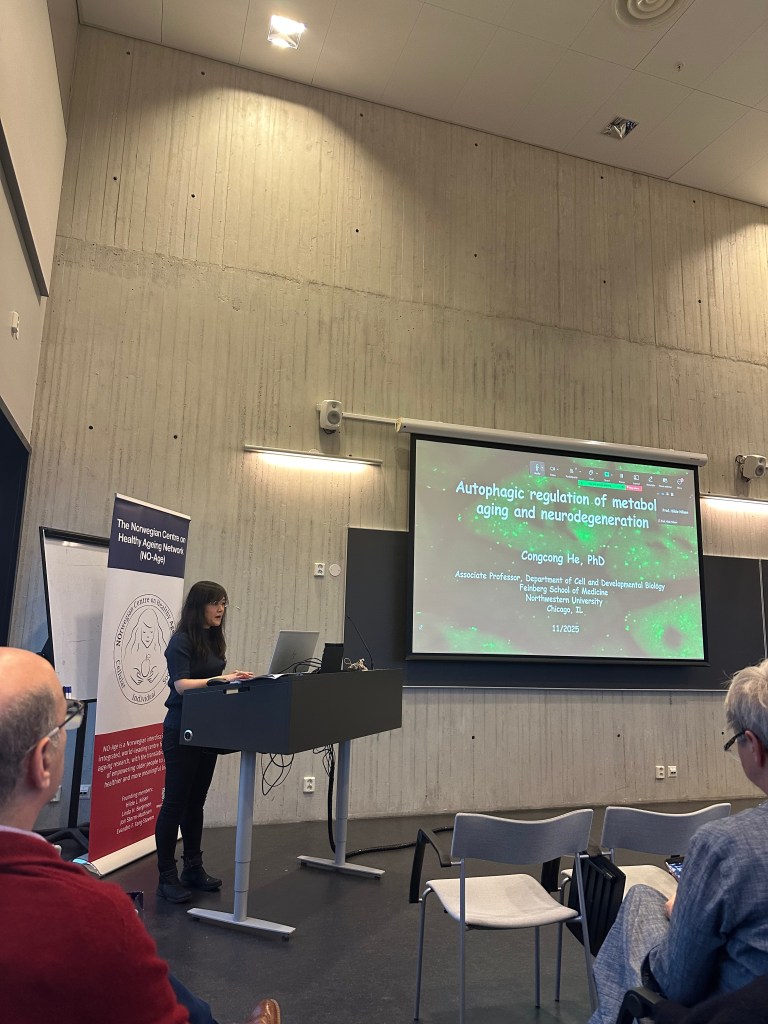
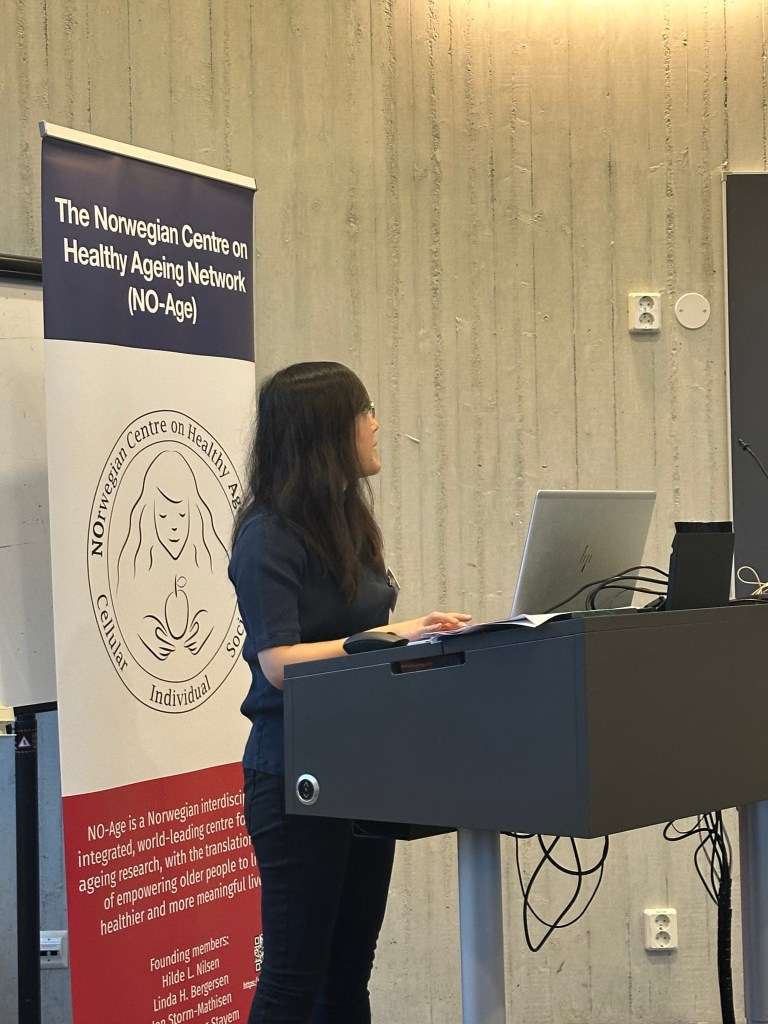
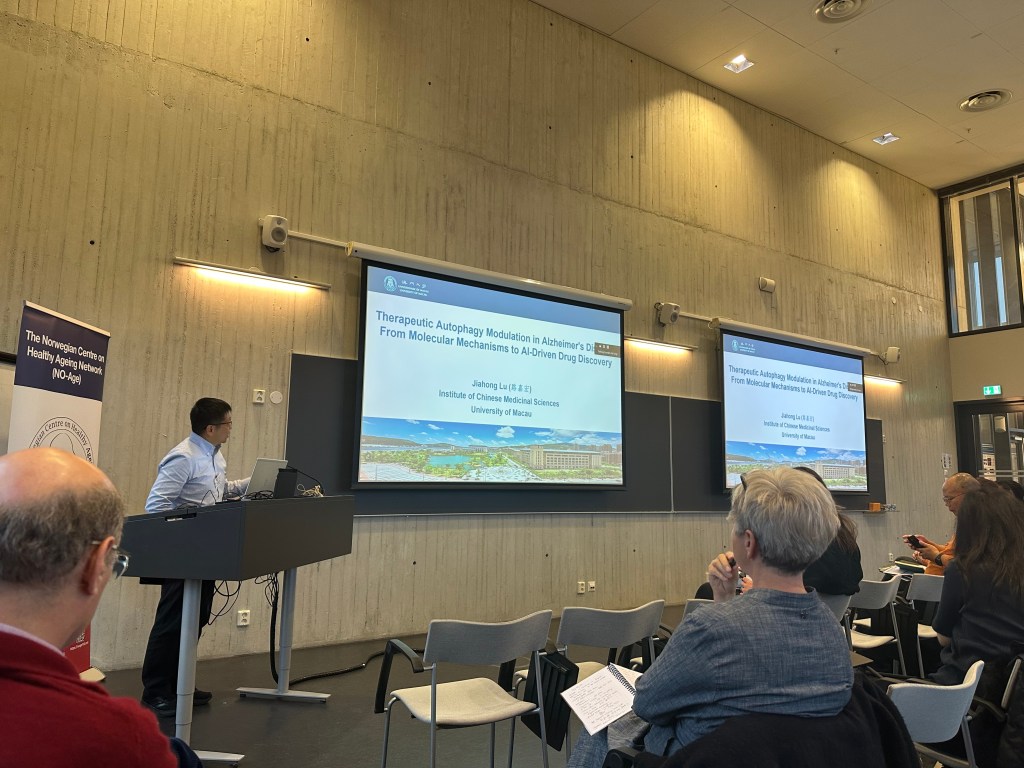
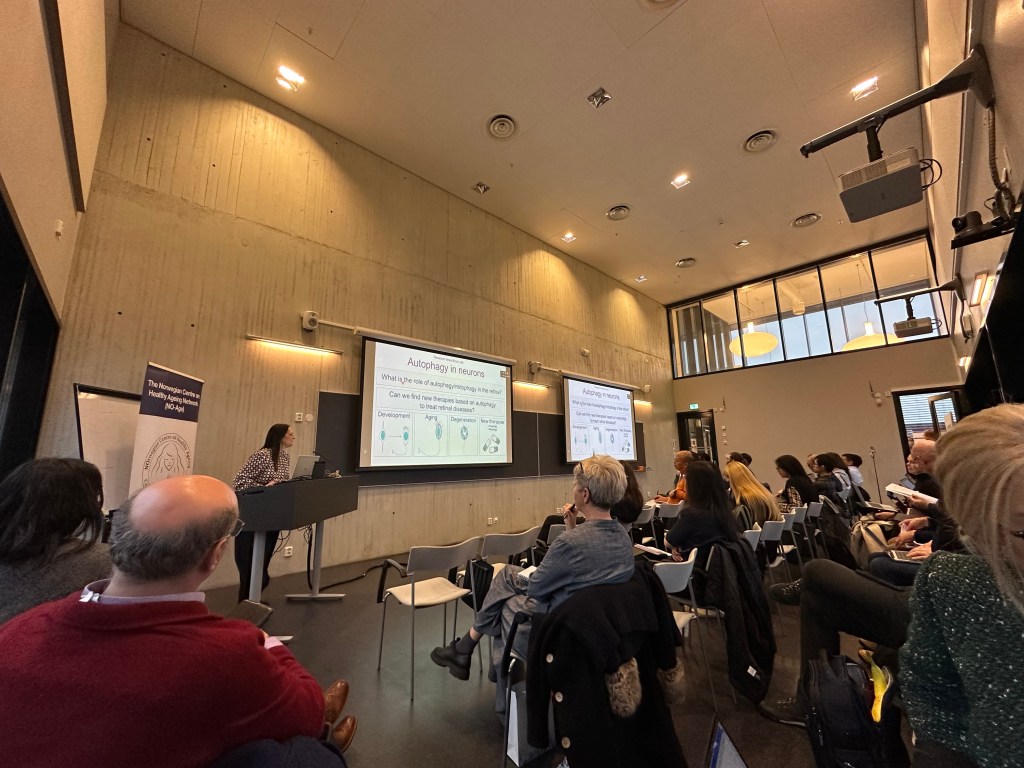
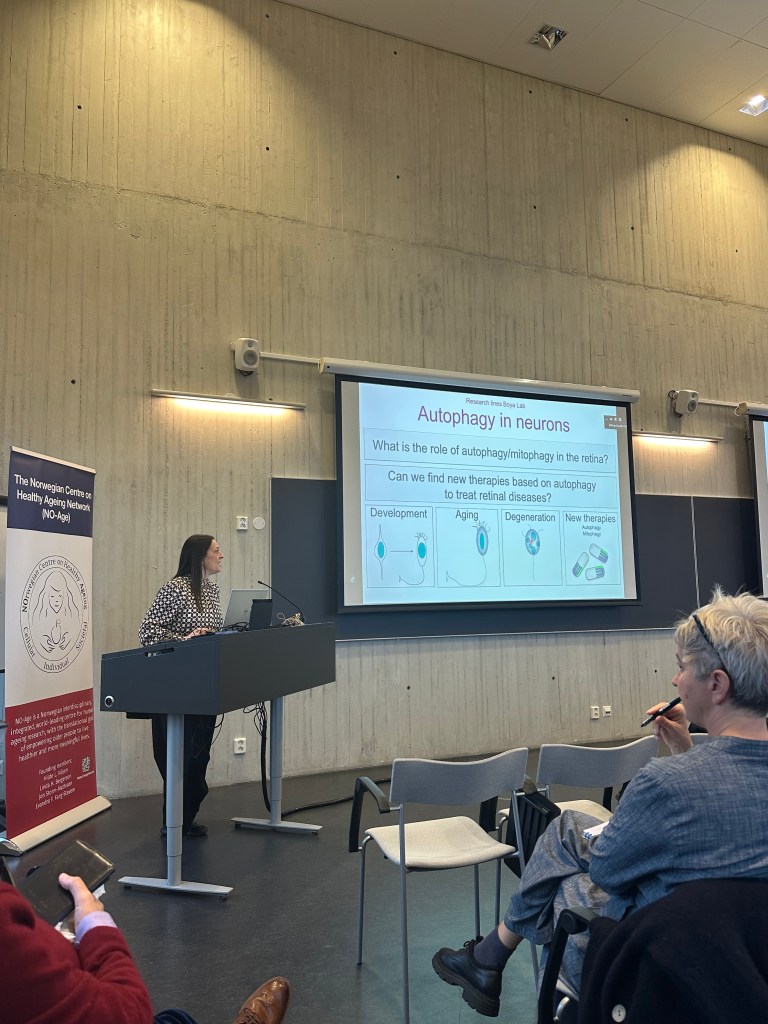
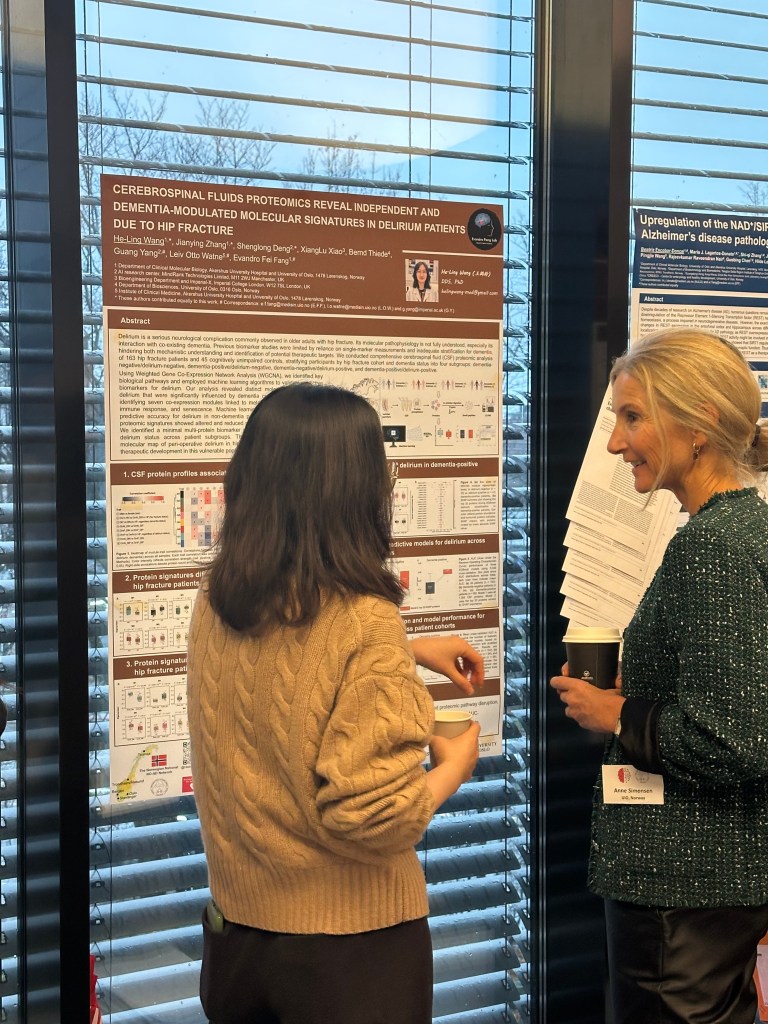
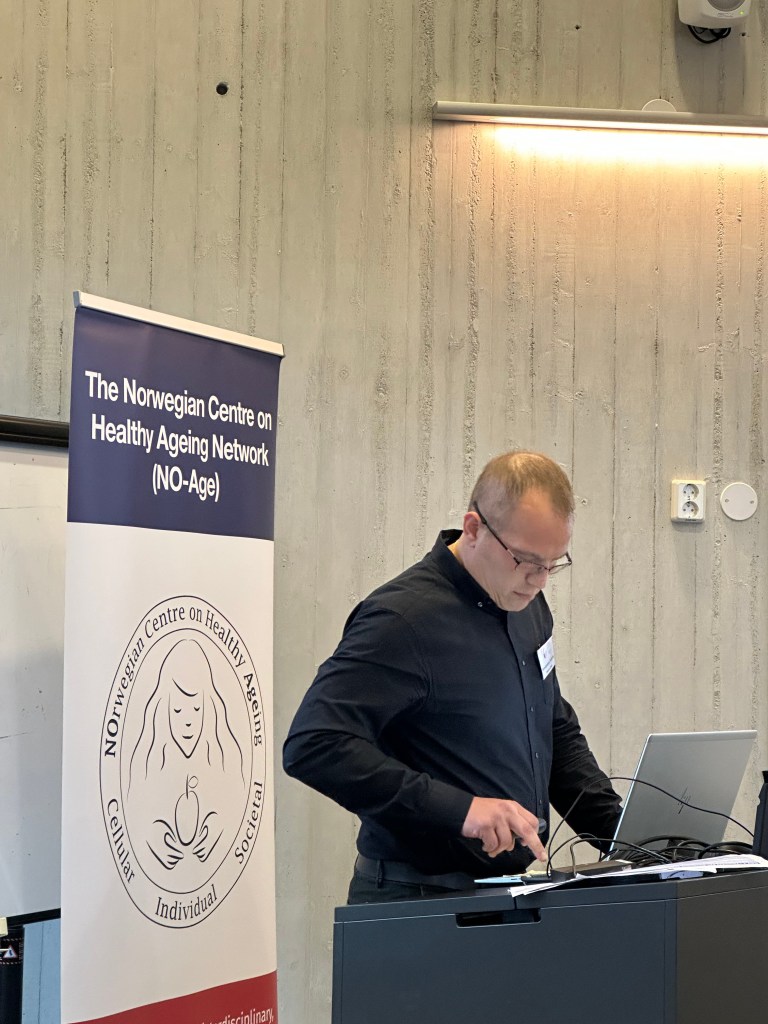
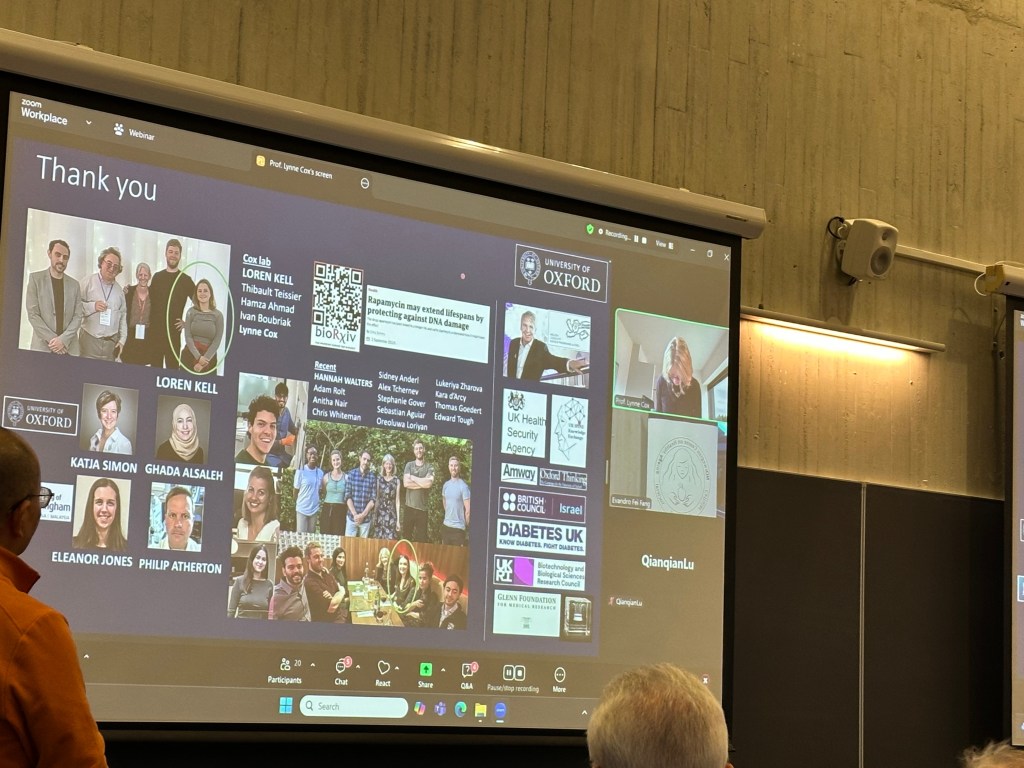
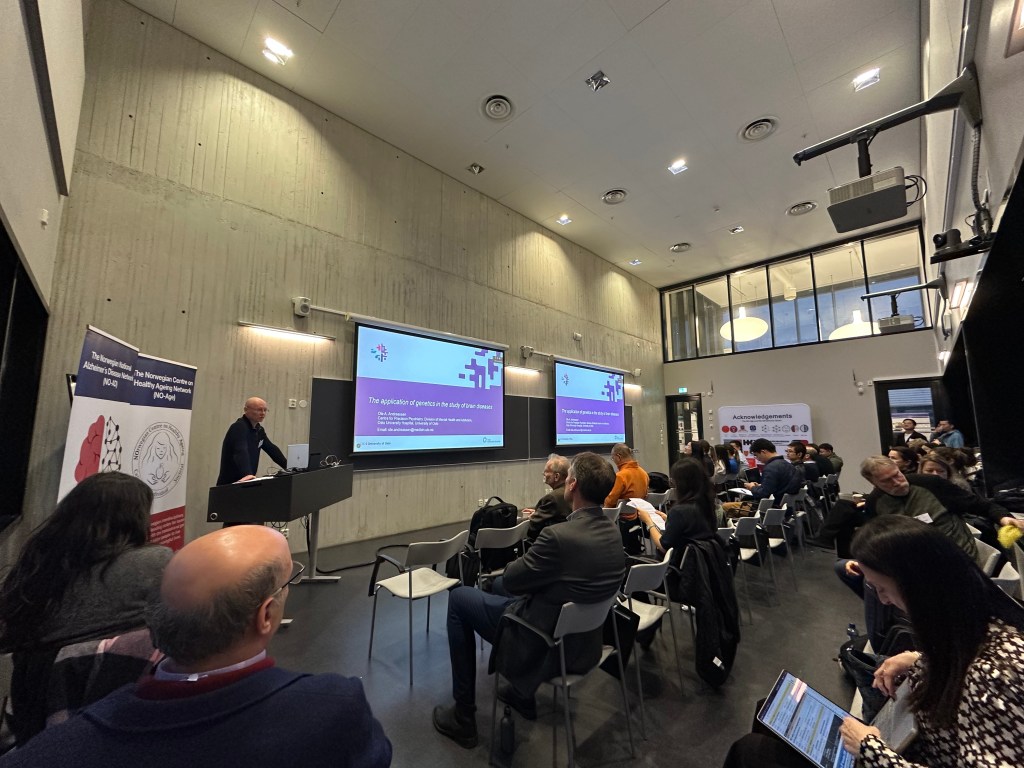
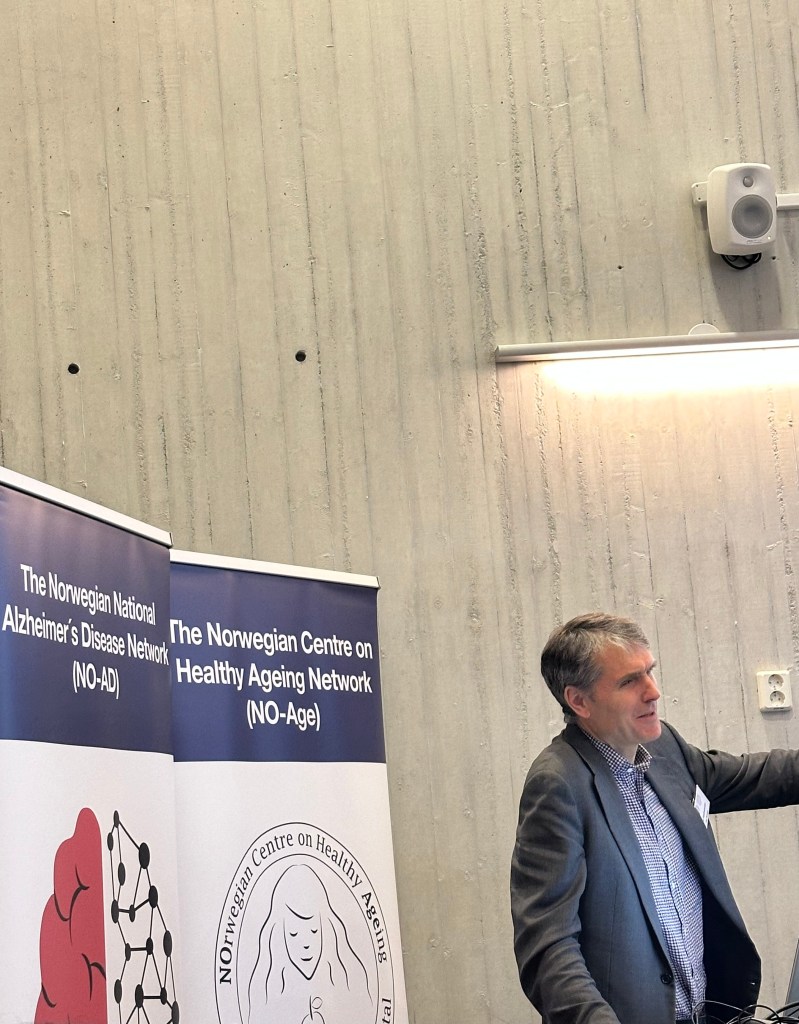
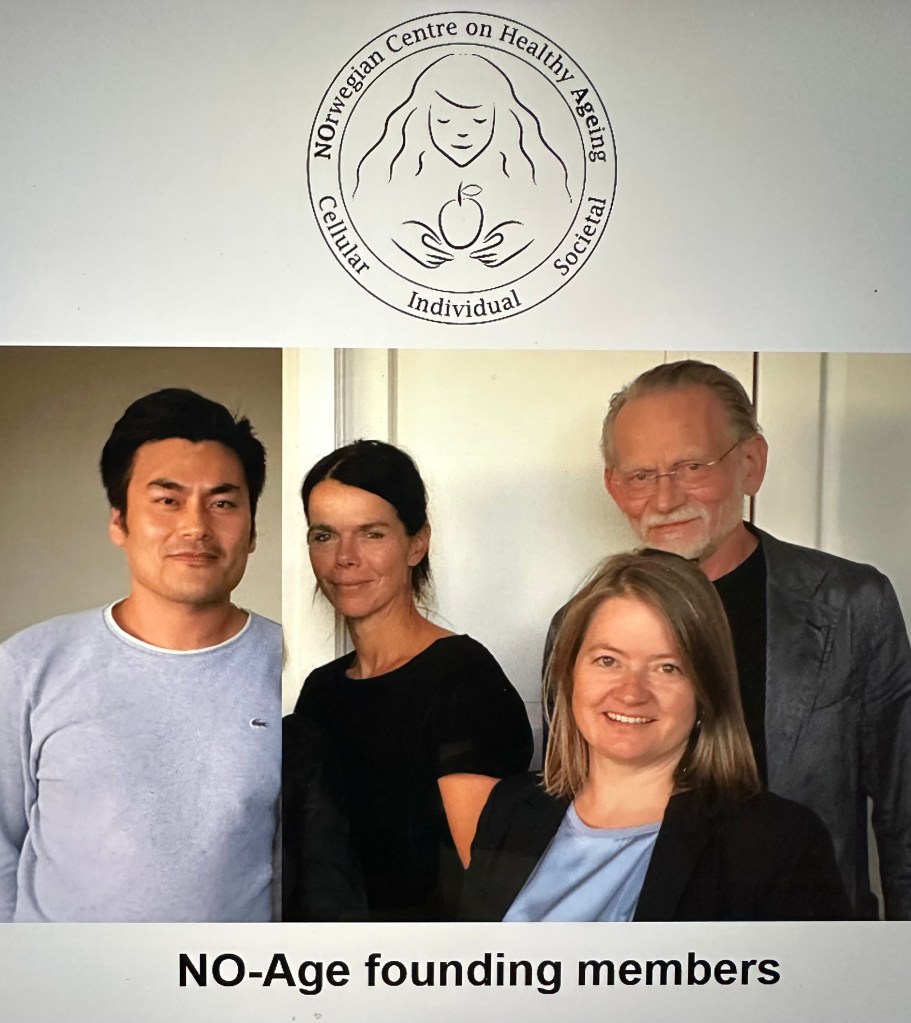
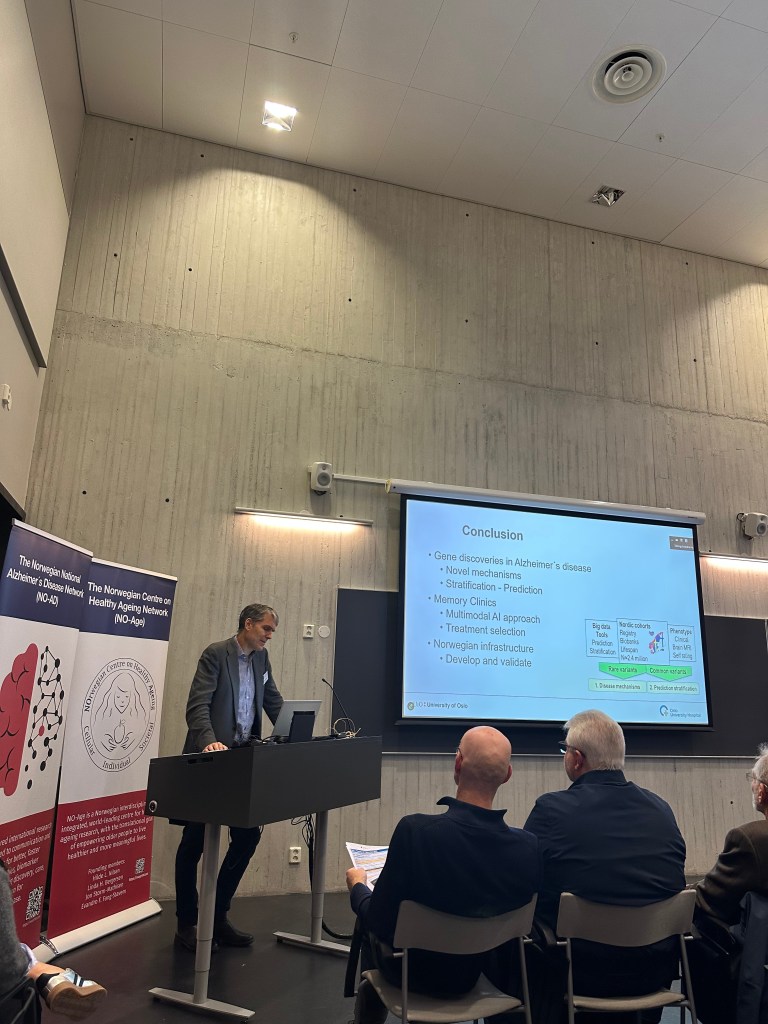
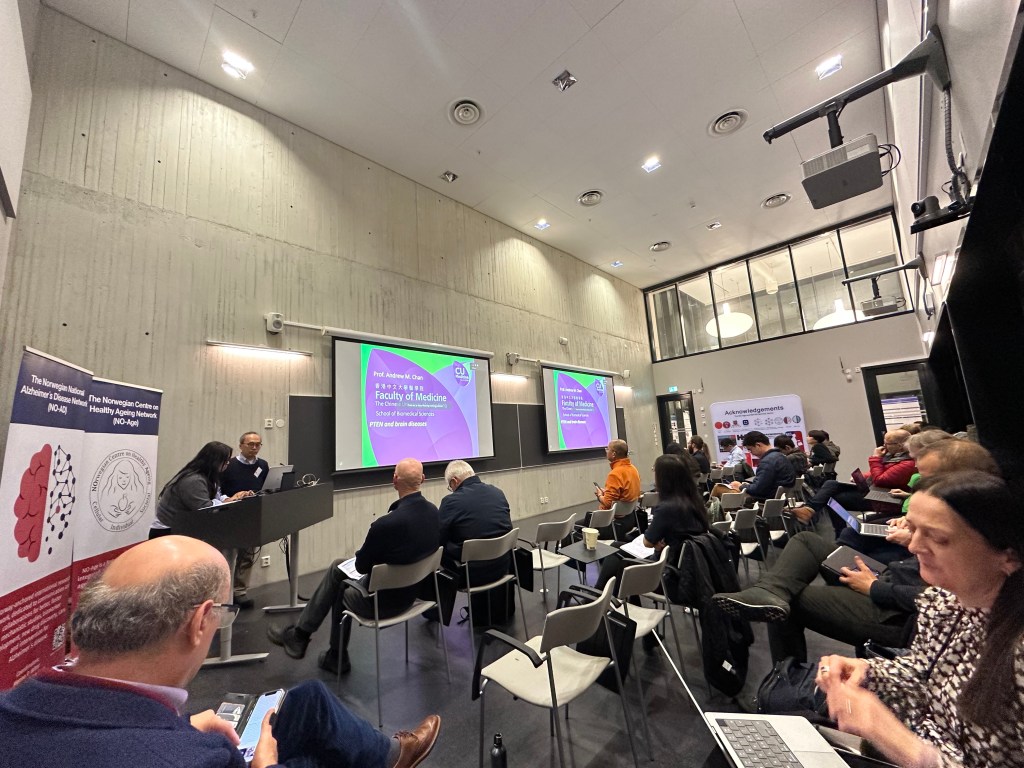
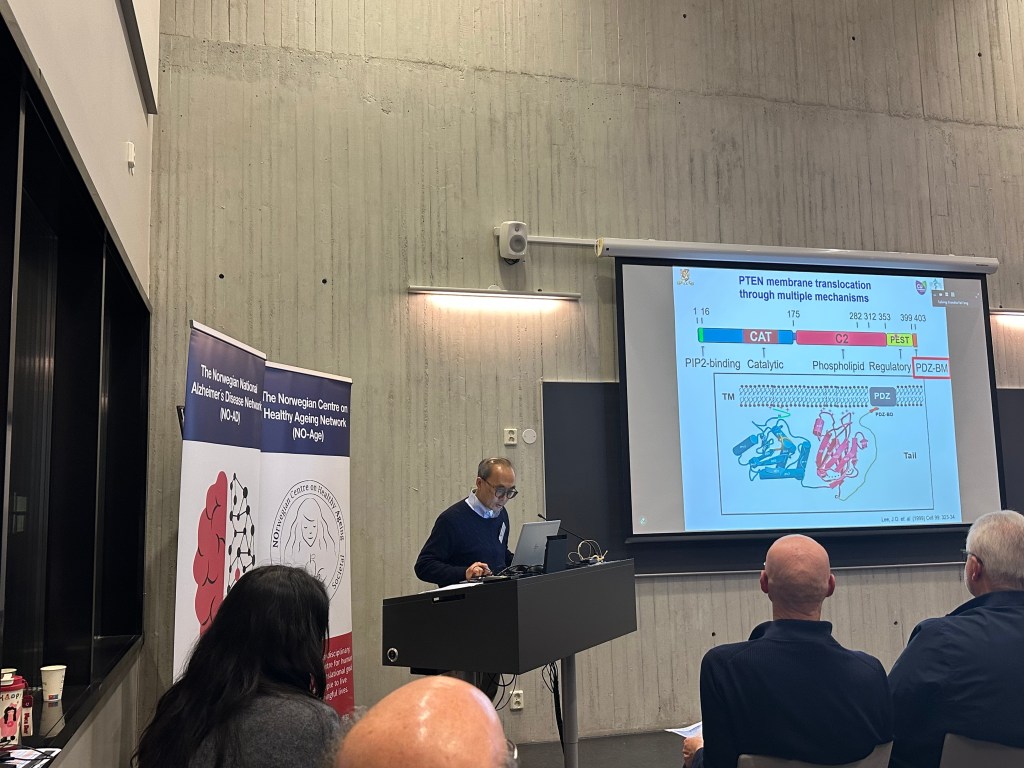
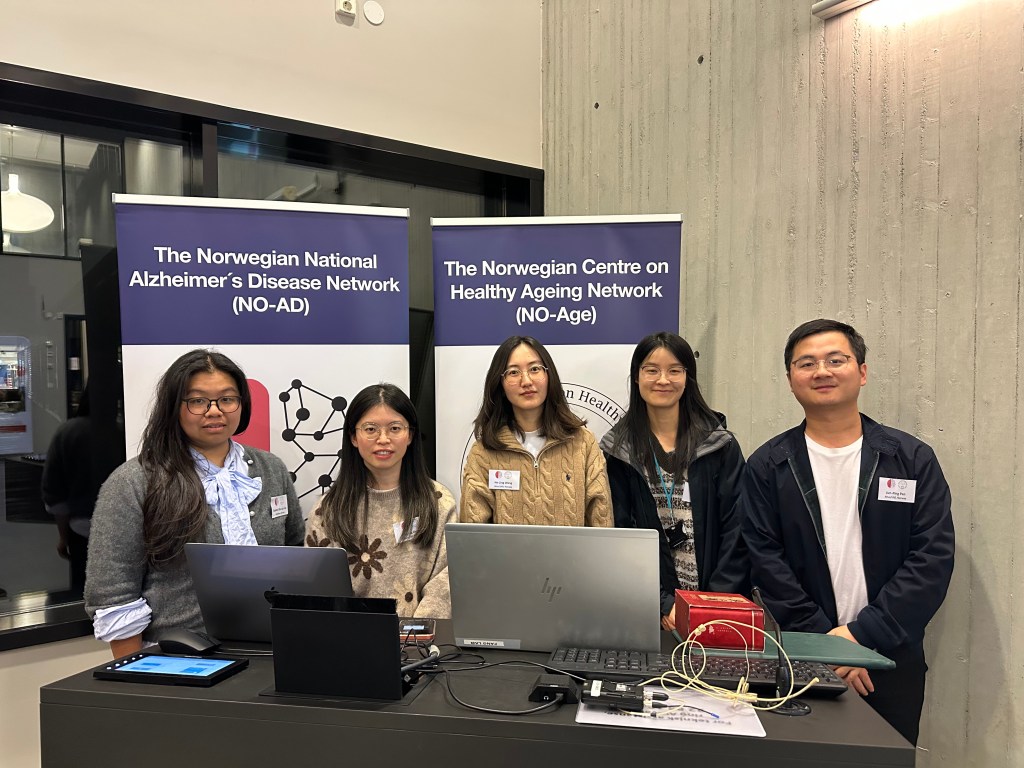
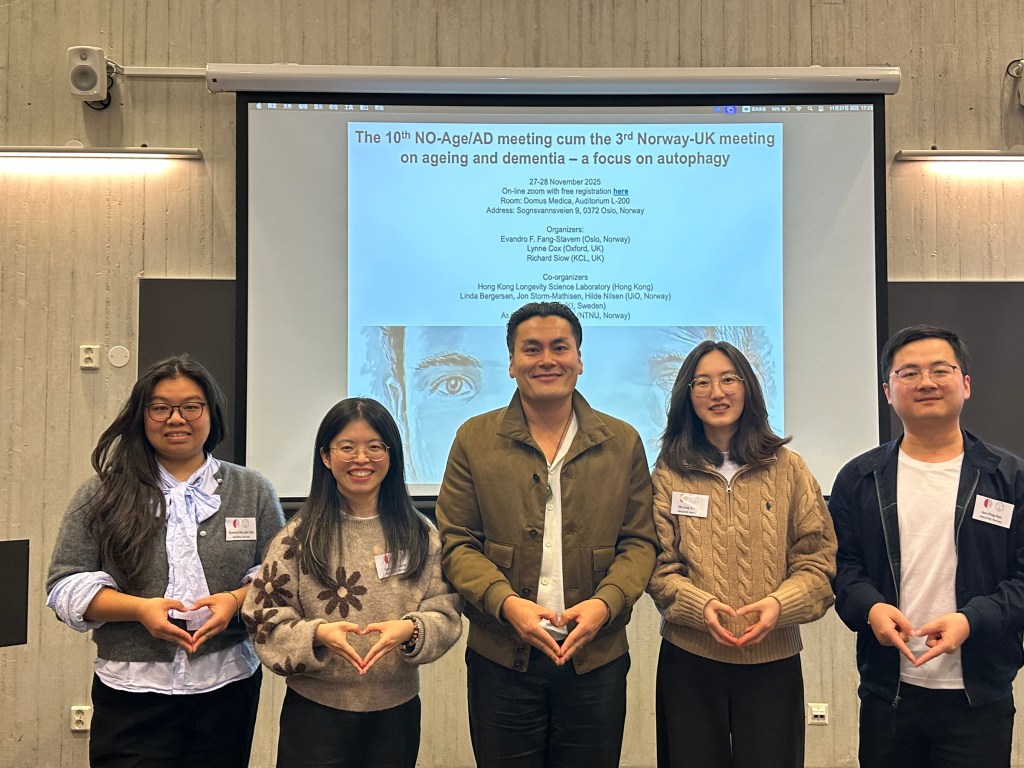
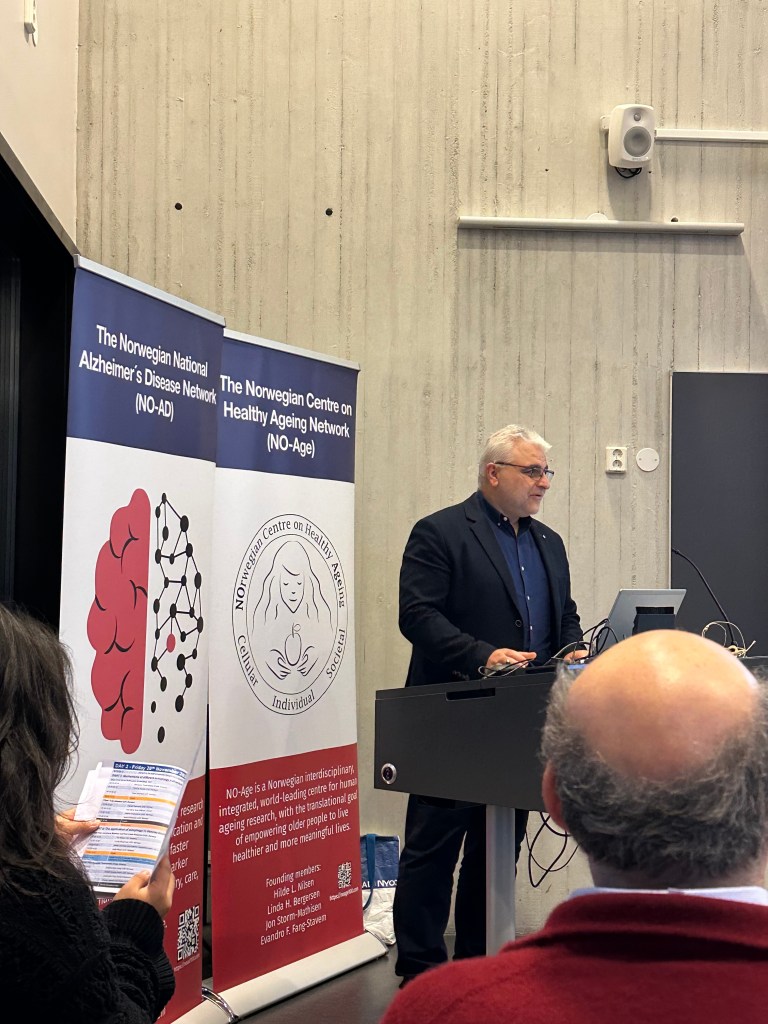
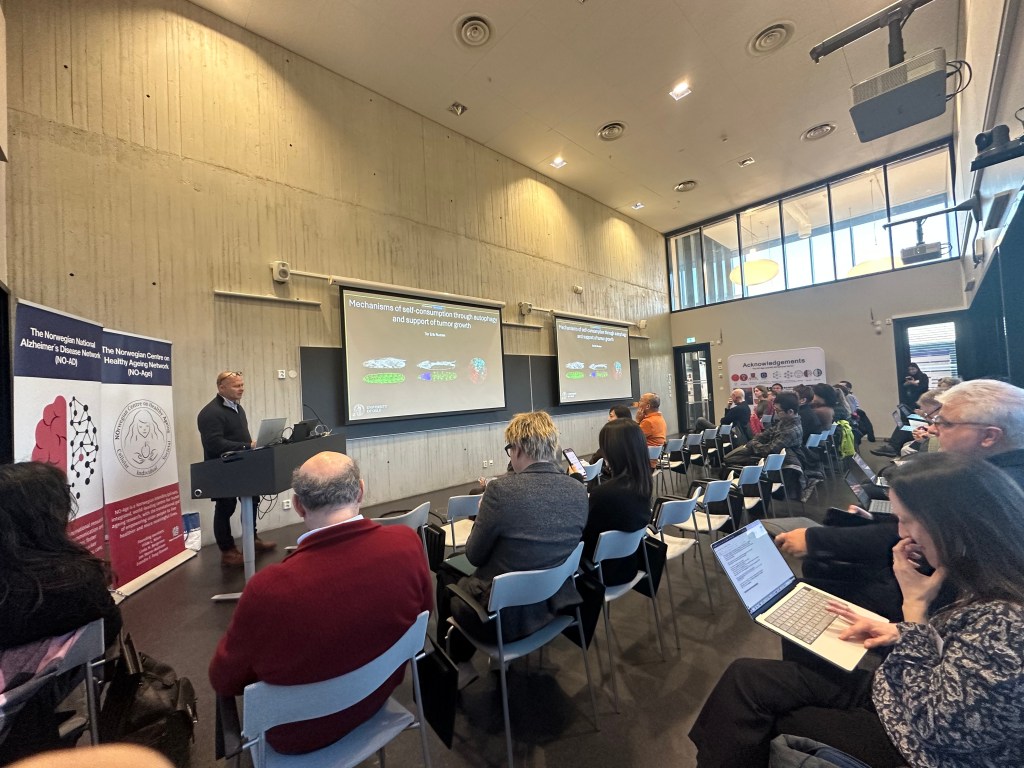
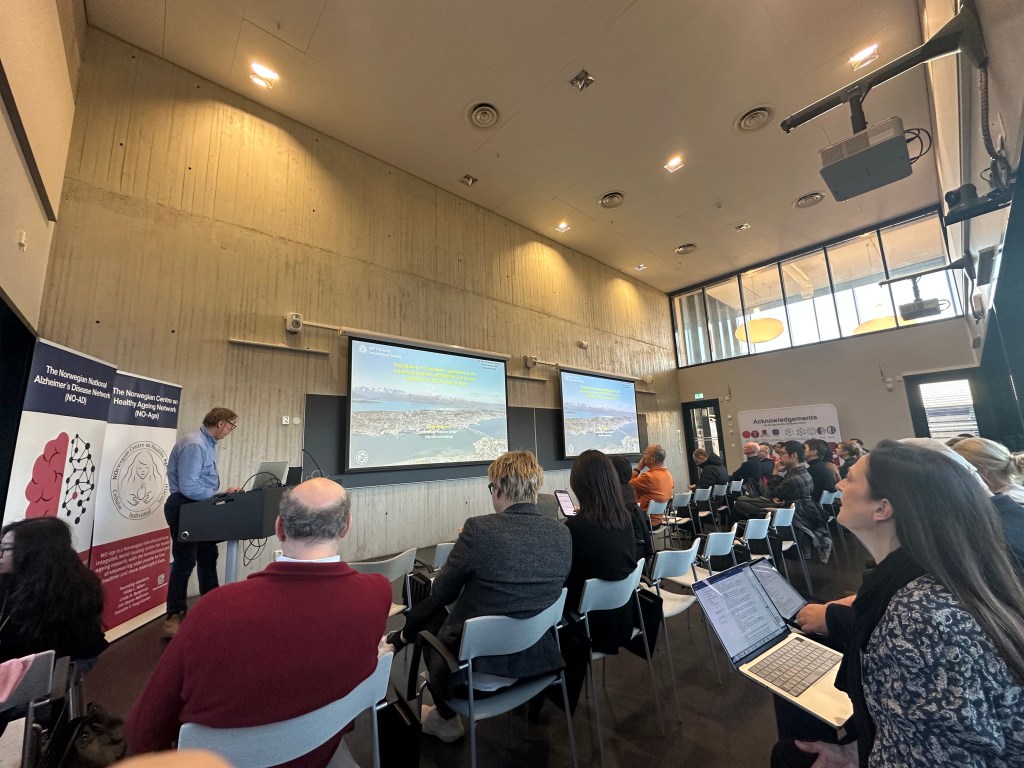
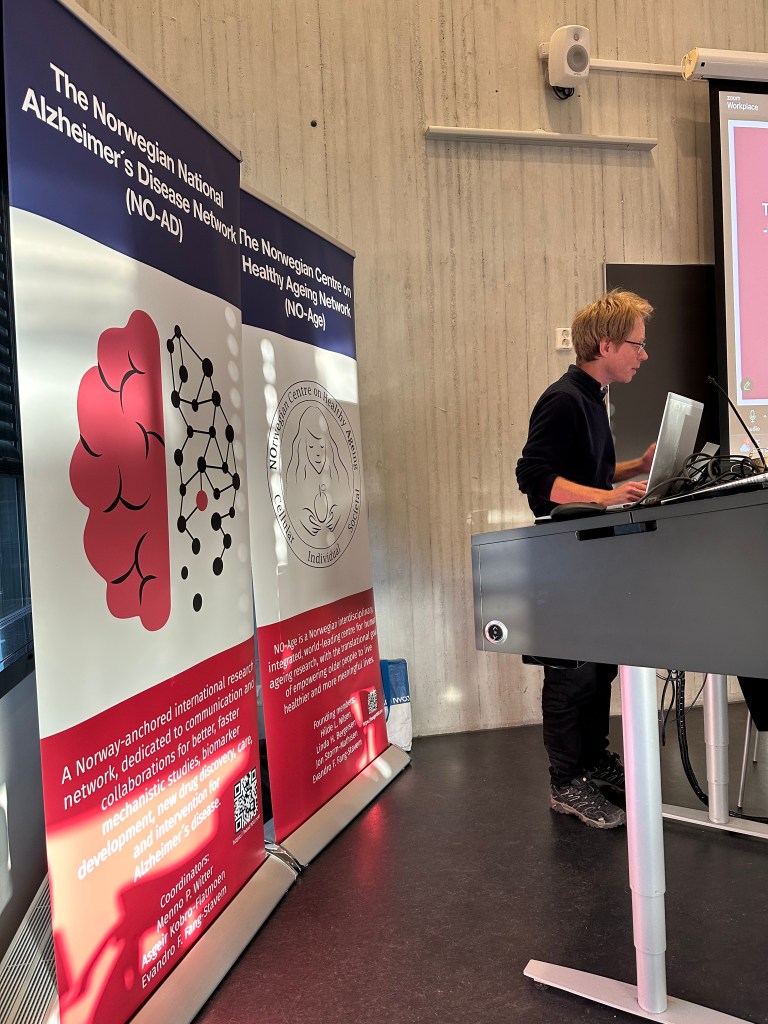
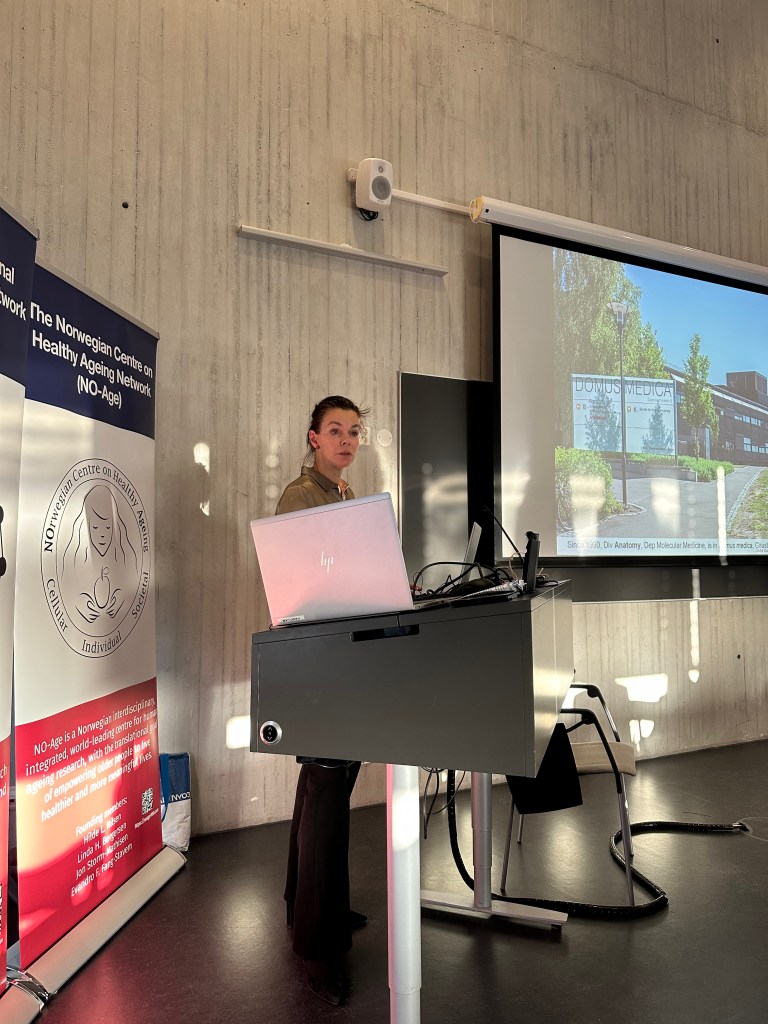
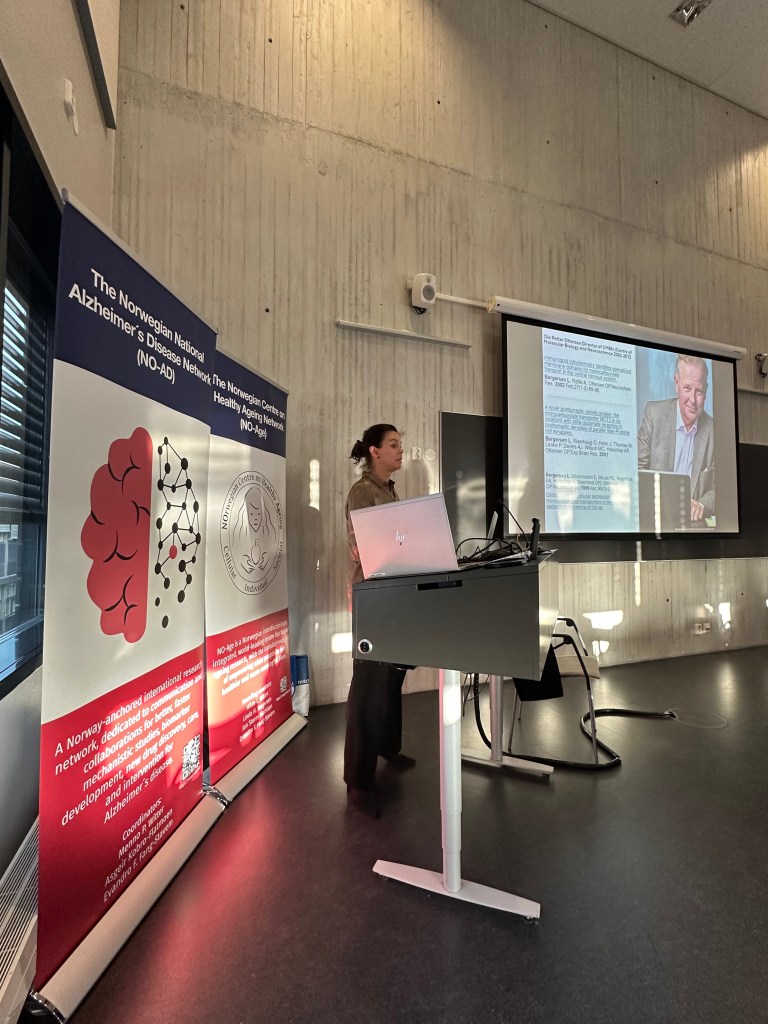
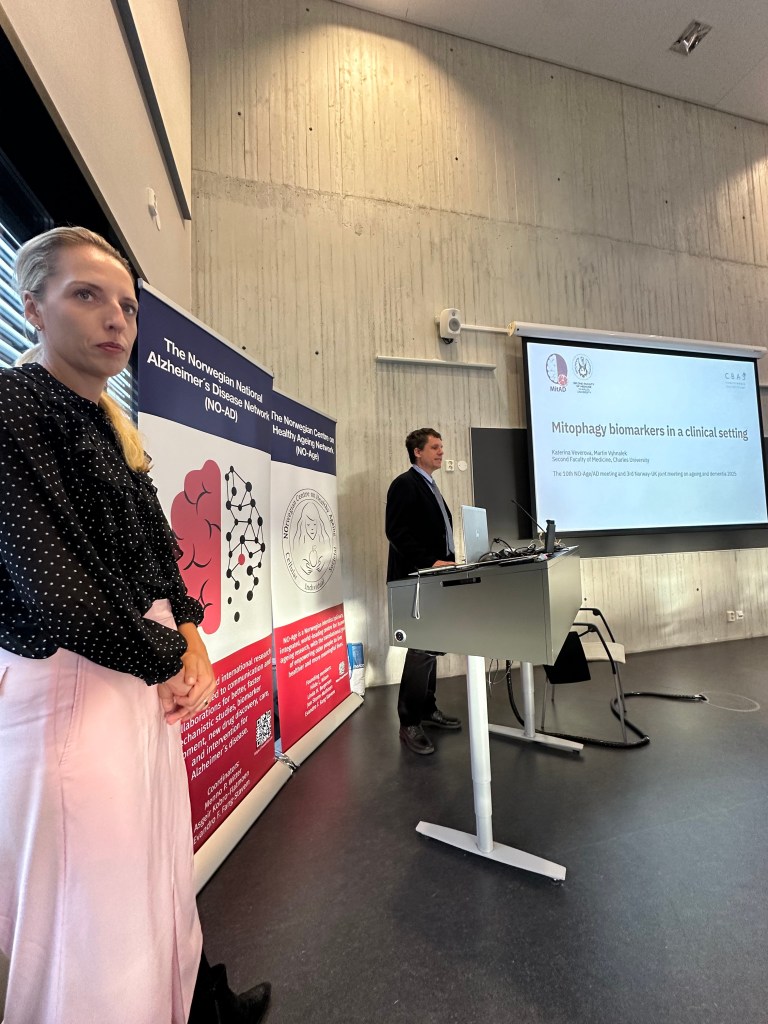
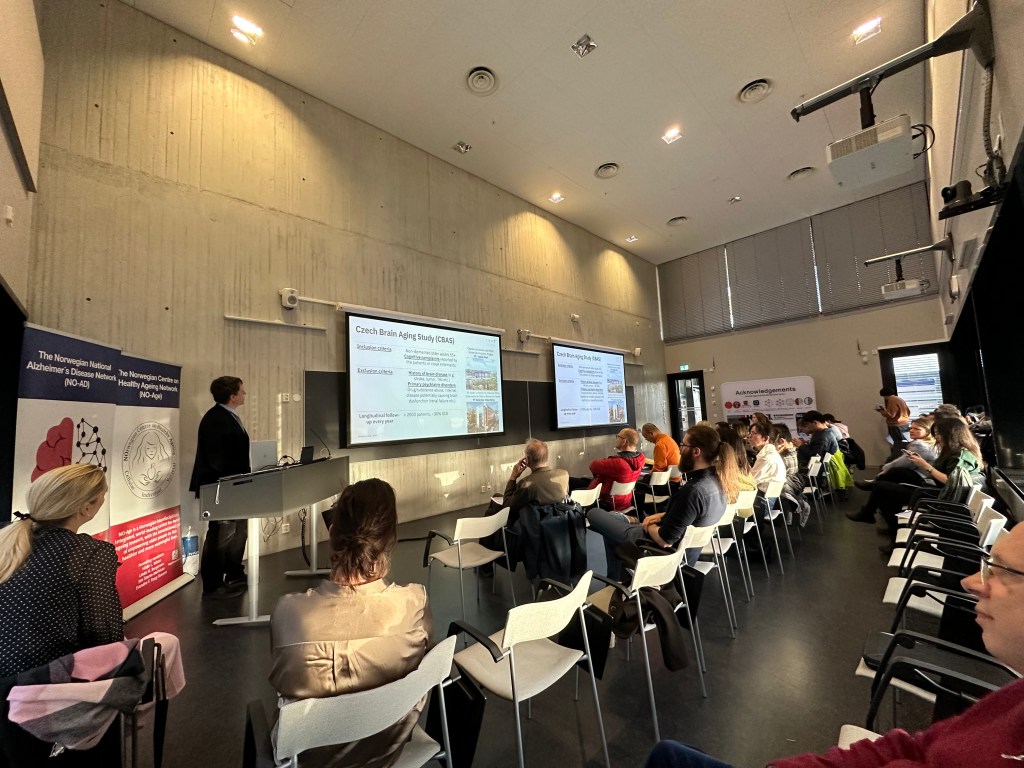
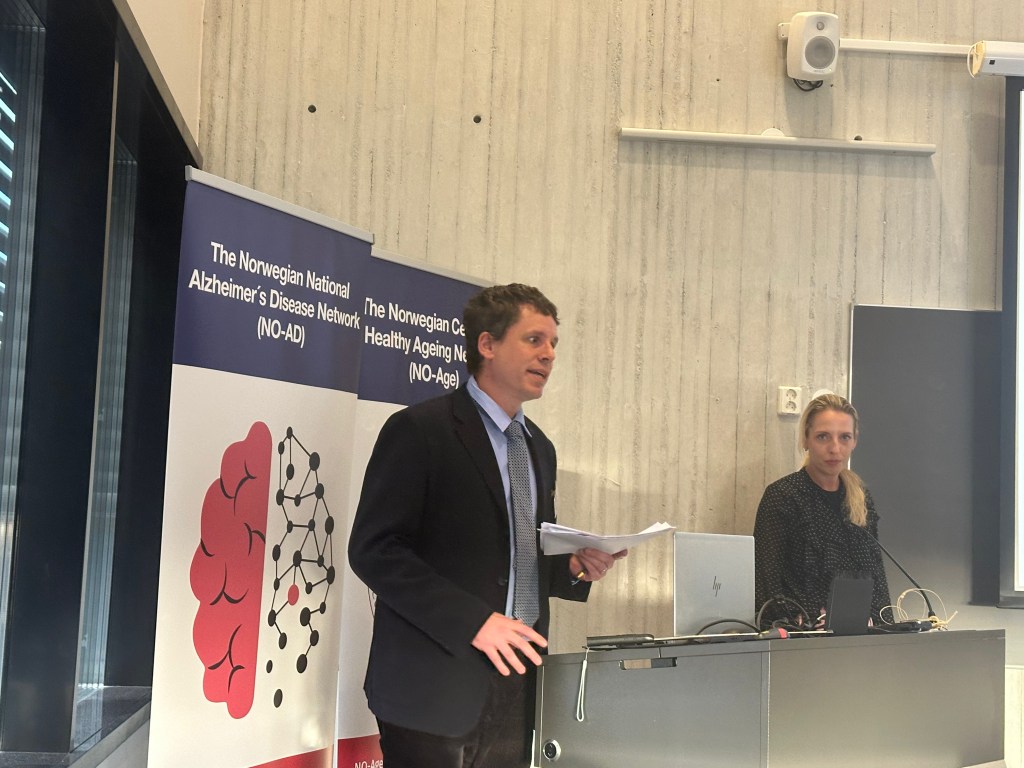
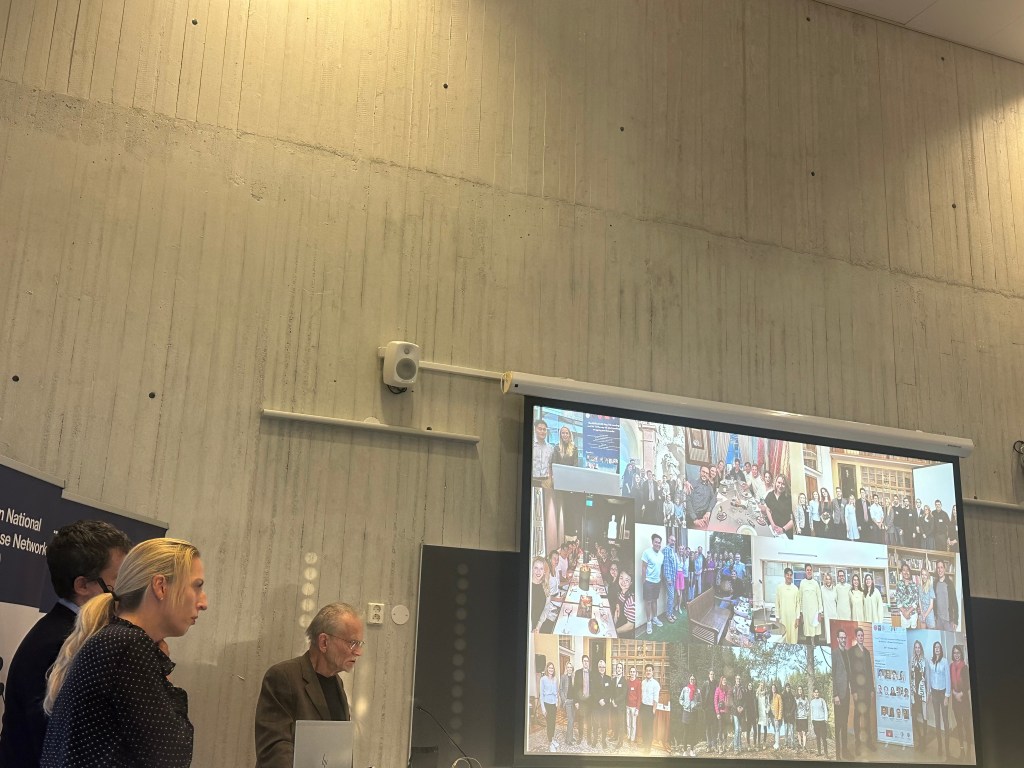
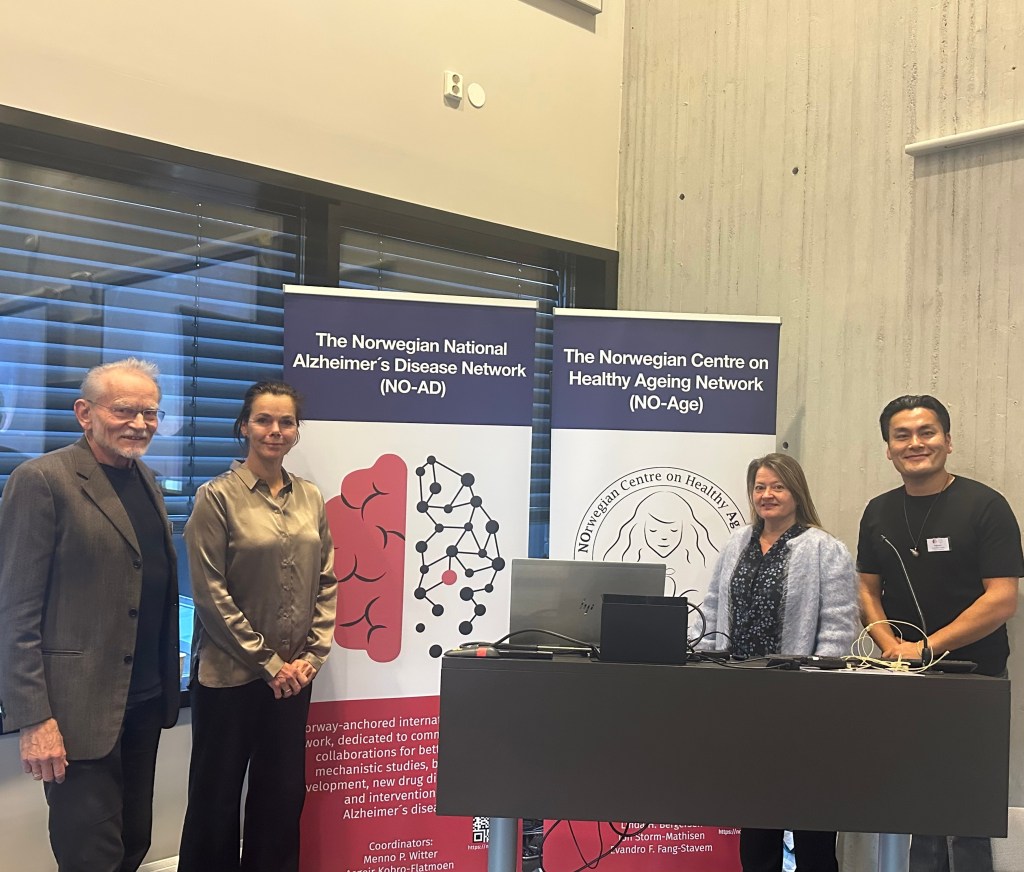
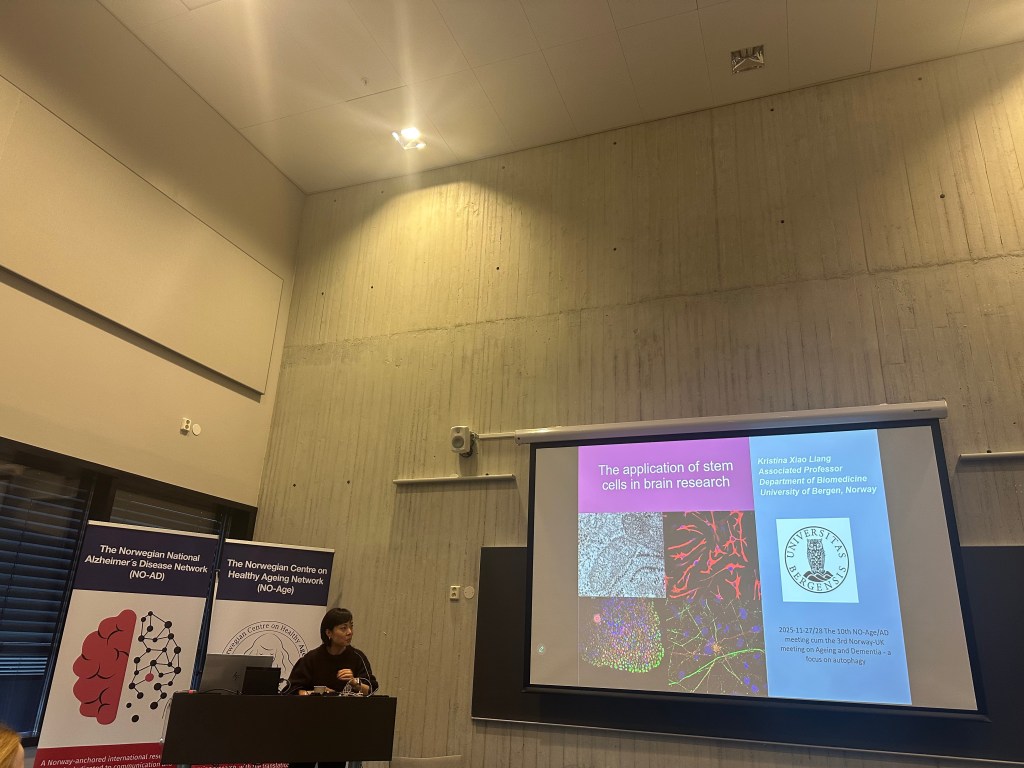
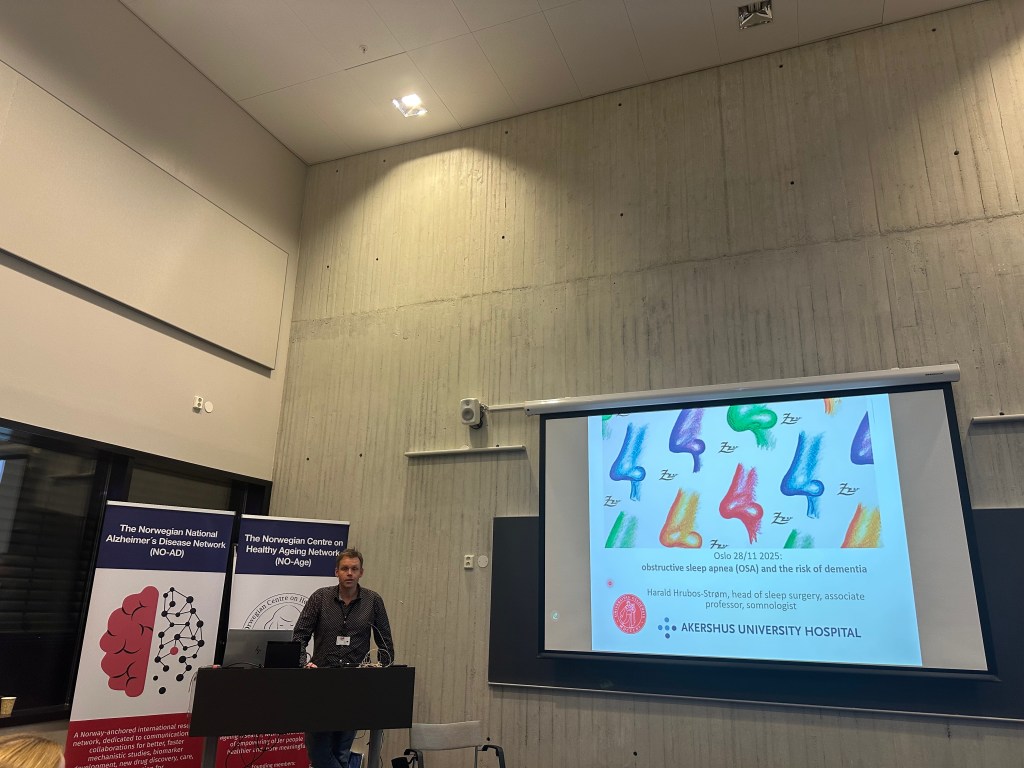
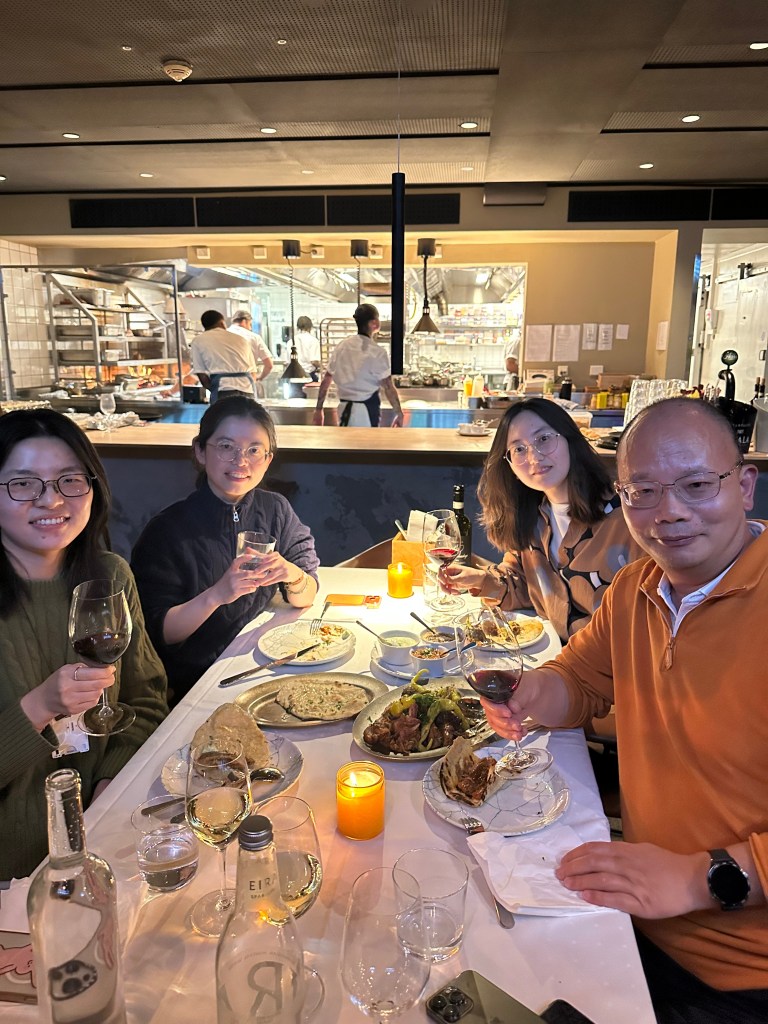
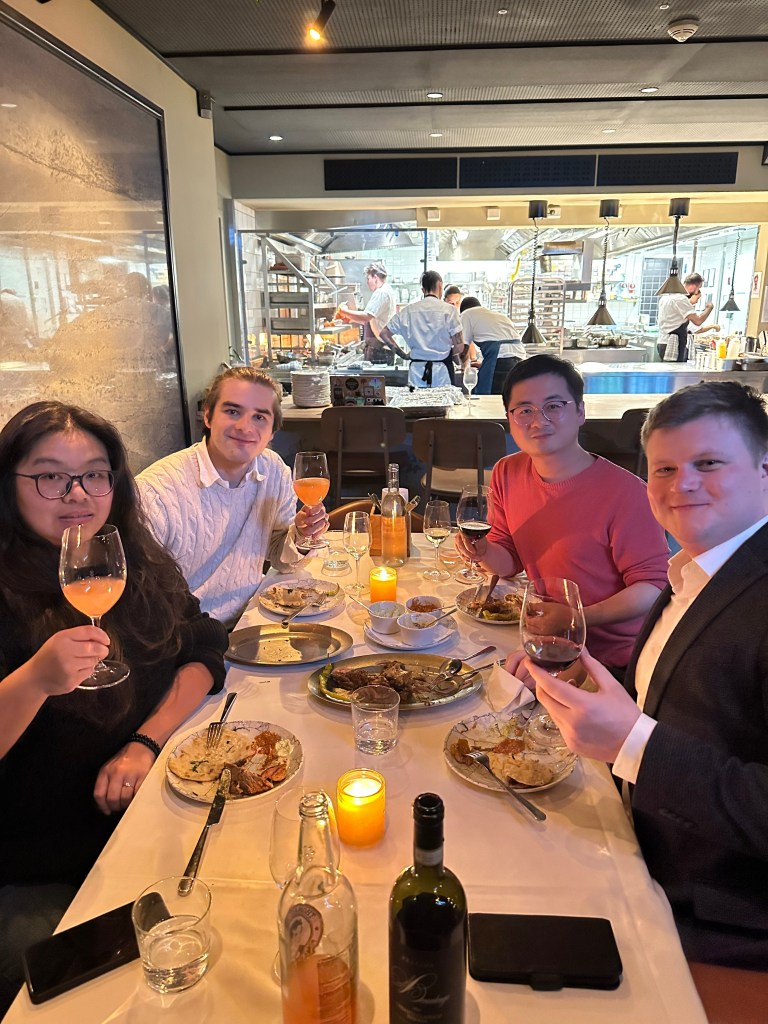
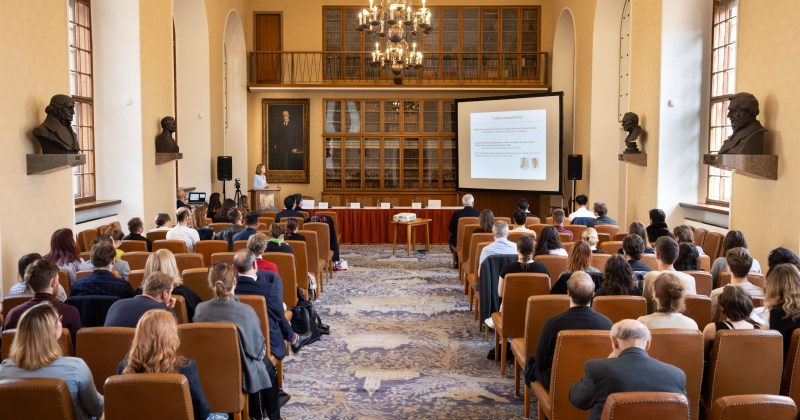
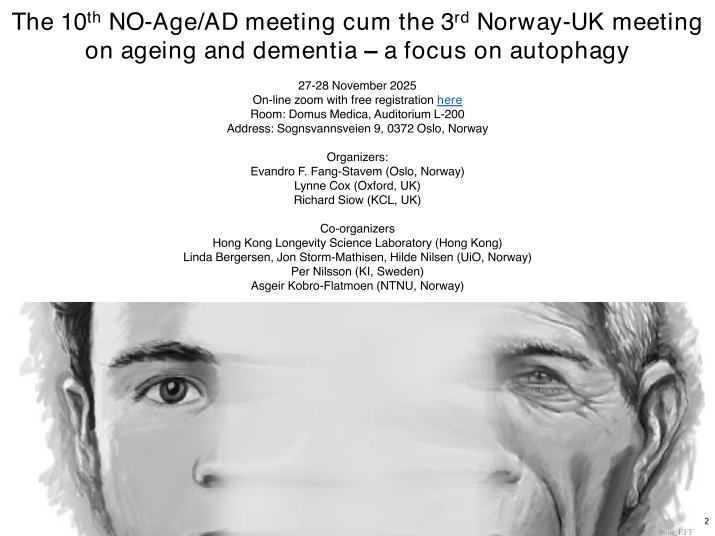
On 27-28 Nov. 2025, we had the 10th NO-Age/NO-AD Meeting – The 3rd Norway-UK Meeting on Ageing and Dementia – A Focus on Autophagy. A total of nearly 30 speakers and 200 attendants (on-site + on line) attended this event, and we have received effusive and very positive feedbacks on this event. Below, it is a visual media-based summary of our meeting (our programme).
27-28 November 2025 On-line (Zoom) and in-person, with free registration. –> In-Person Registration Link –> Zoom only registration * If you plan to use both in-person and Zoom, please register using both links. Location: Domus Medica, Auditorium L-200 Address: Sognsvannsveien 9, 0372 Oslo, Norway
Organizers: Evandro F. Fang-Stavem (Oslo, Norway) Lynne Cox (Oxford, UK) Richard Siow (KCL, UK)
Co-organizers: Hong Kong Longevity Science Laboratory (Hong Kong) Linda Bergersen, Jon Storm-Mathisen, Hilde Nilsen (UiO, Norway) Per Nilsson (KI, Sweden) Asgeir Kobro-Flatmoen (NTNU, Norway)
The ageing population is growing rapidly across the Nordic countries and beyond, leading to increased healthcare and socioeconomic challenges. Ageing is the primary risk factor for many diseases, including neurodegenerative diseases such as Alzheimer’s disease (AD). Our understanding of the molecular mechanisms underlying brain ageing and neurodegeneration remains limited. Norway and the UK have a long-standing tradition in scientific collaborartions, especially in the neuroscience area. To address this critical knowledge gap, the Norway-UK Meetings on Ageing and Dementia will provide a dedicated space for researchers to discuss cutting-edge advancements in ageing and dementia, fostering collaboration across disciplines.
Held in Norway and the UK, the meeting series will bring together leaders in the fields to explore key topics, including molecular mechanisms of ageing, multi-omics approaches, artificial intelligence applications, neurodegeneration, and translational drug development. Speakers are leaders in these fields around the world! The meeting series will also strongly support young researchers by reserving space for short talks and a poster session, ensuring the next generation of scientists to play active roles in advancing the field. By facilitating interdisciplinary discussions and collaborations, we aim to drive innovation towards a future of healthy ageing and improved treatments for age-related diseases.
This 3rd Norway-UK meeting on ageing and dementia will be focused on autophagy, in addition to cover other related topics. We thank our platinum sponsor Hong Kong Longevity Science Laboratory.
Evandro F. Fang-Stavem (University of Oslo, Norway) Lynne Cox (University of Oxford, UK) Richard Siow (King´s College London, UK)
Programme: Download the Programme (2025-11-25 version)
Abstract: You are welcome to submit your abstract by 2 Nov 2025 using our template.
Poster: You are welcome to present posters at our meeting (Template for posters on page 13). The THREE best presenters selected will receive awards of 10, 000 NOK each (supported by NO-Age, see Appendix 4).
Additional information: 1. The 1st Norway-UK meeting on ageing and dementia: Here, and scientific meeting summary here 2. The 2nd Norway-UK meeting on ageing and dementia: Here
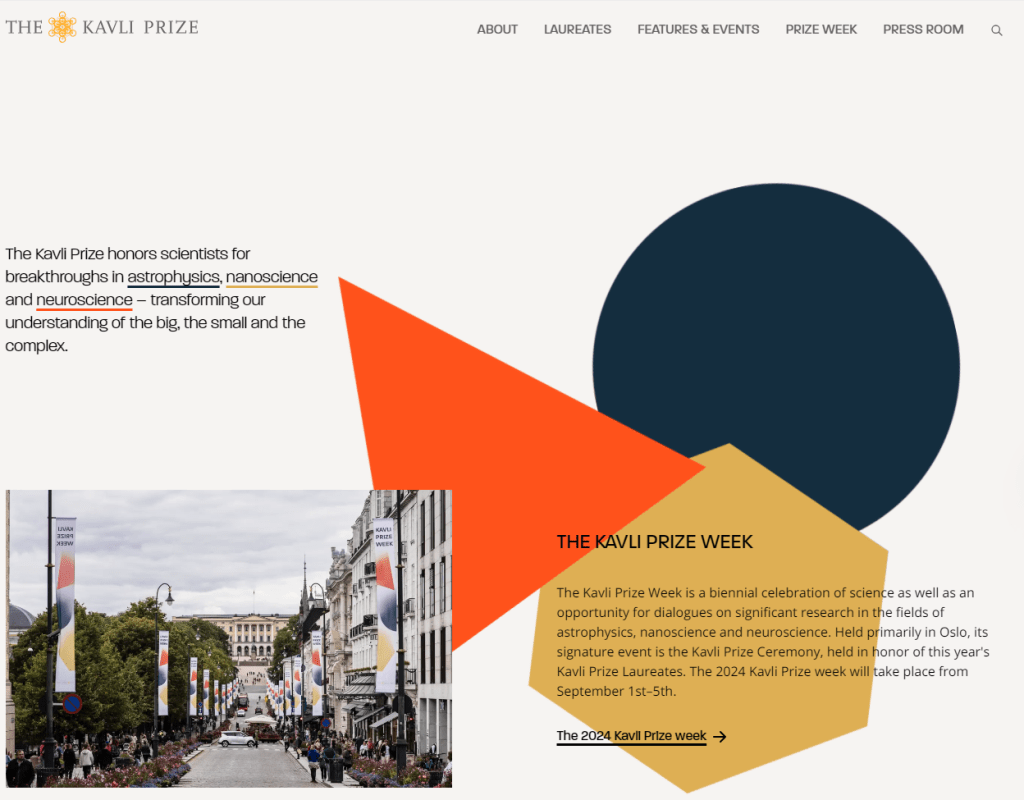
Recognizing faces is important in our daily interactions with others. How does your brain accomplish this? Come join us to hear from the stellar scientists who figured this out!
On Monday 2. September from 10:00 – 12:00 in Rikshospitalet B: Store auditorium, Sognsvannsveien 20, 0372 Oslo the 2024 Kavli Prize Neuroscience Laureates will give their lectures
Nancy Kanwisher, MIT Winrich Freiwald, Rockefeller University Doris Ying Tsao, Berkeley
Four years ago, colleagues from the Charles University (Martin Vyhnálek and Kateřina Veverová) and the University of Oslo (UiO) (Evandro Fang) secured a competitive grant of € 1 404 000 on the project entitled ‘The Validation of specific mitophagy biomarkers across Alzheimer’s disease continuum’ (acronym MIT-AD), from Iceland, Liechtenstein and Norway through the EEA Grants and the Technology Agency of the Czech Republic within the KAPPA Programme.
On 11 April 2024, in the old university campus of Charles University (founded 1348), a one-day meeting entitled “From Mitophagy to Neurocognitive Impairment“ was organized. This meeting aimed to share the exciting research data the MIT-AD team generated as well as to have leading experts in the fields to share their works to the community.
Highlights of some of the topics:
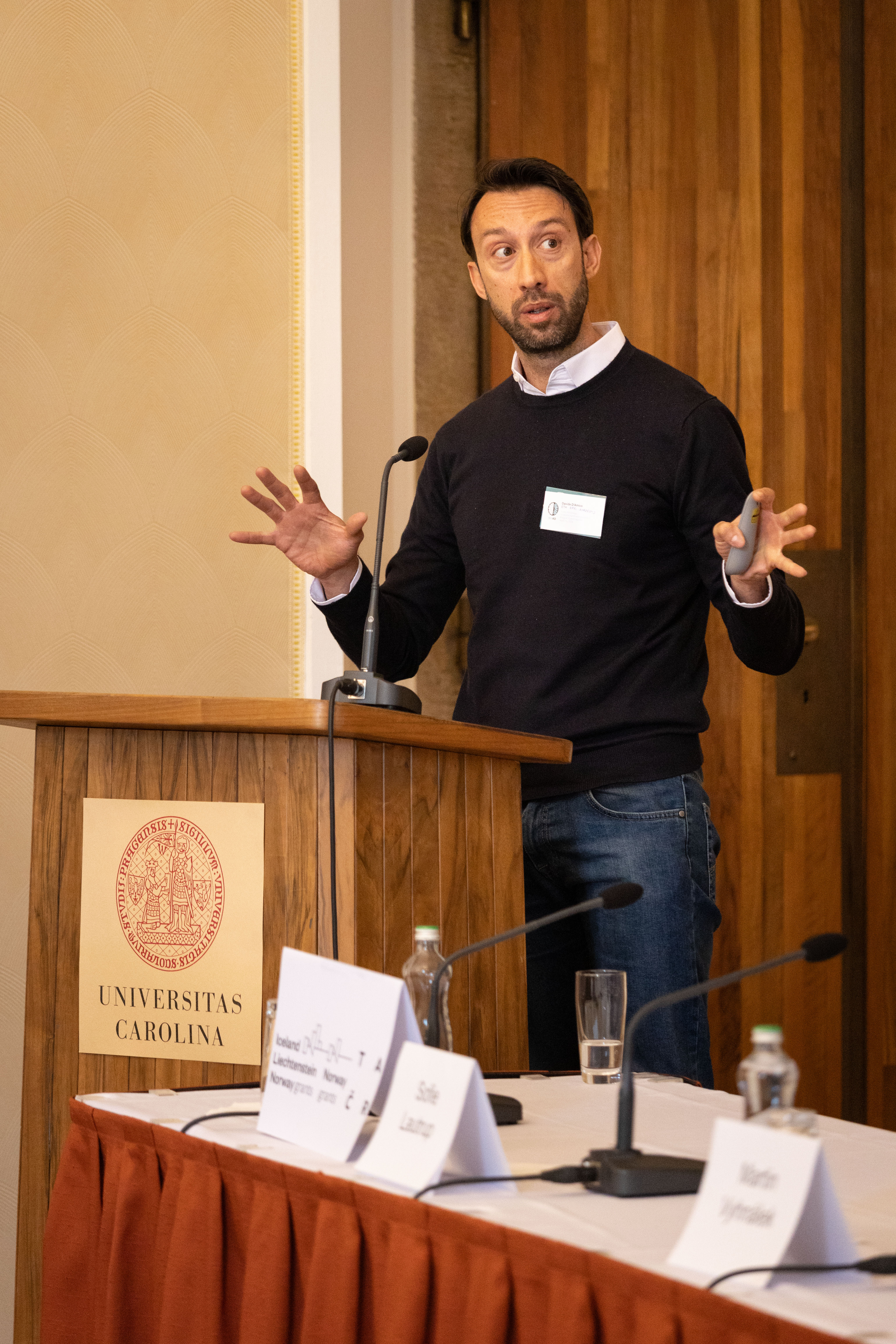
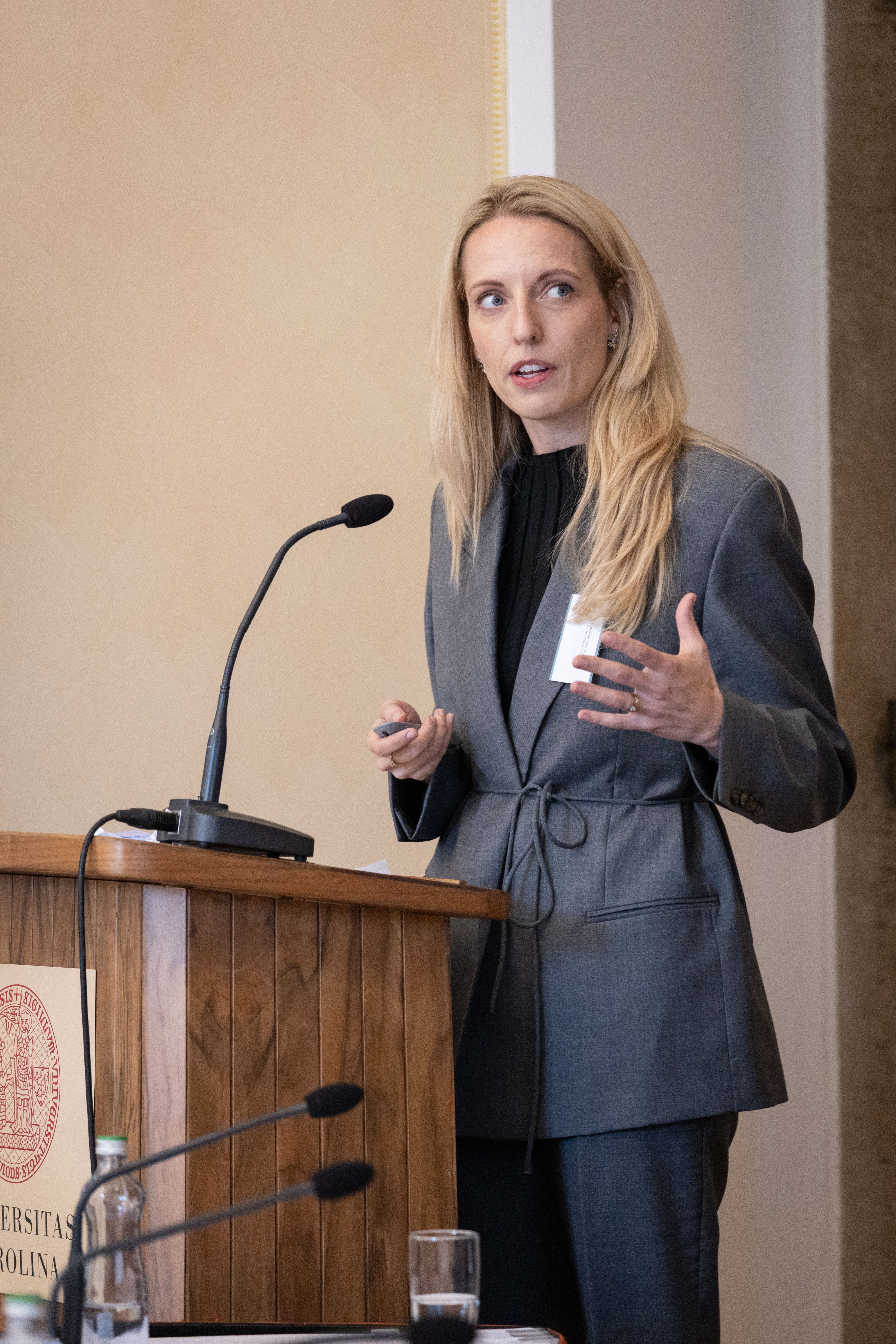
NO-Age international member, keynote speaker Prof. Nektarios Tavernarakis shared the mechanisms of compromised mitochondrial homeostasis in ageing and dementia! Prof. Martin Vyhnálek and Dr. Kateřina Veverová reported the results of changes of a few mitophagy proteins in blood and CSF samples from AD patients; the paper was just accepted in a leading journal, with news release shortly. Prof. Evandro Fang presented a talk entitled ‘The ‘5As’: ageing, Alzheimer’s disease, autophagy, AI, and an ‘A’ molecule in brain health and longevity’. DPhil student Johannes Frank (UiO) talked on a novel cellular death pathway in Alzheimer’s disease. Young researcher Dr. Sofie Hindkjær Lautup showed the use of AI in identifying unknown causes of neurodegenerative diseases. Dr. Davide D’Amico gave a talk on ‘Health benefits of the mitophagy activator Urolithin A – From preclinical models to clinical studies’.
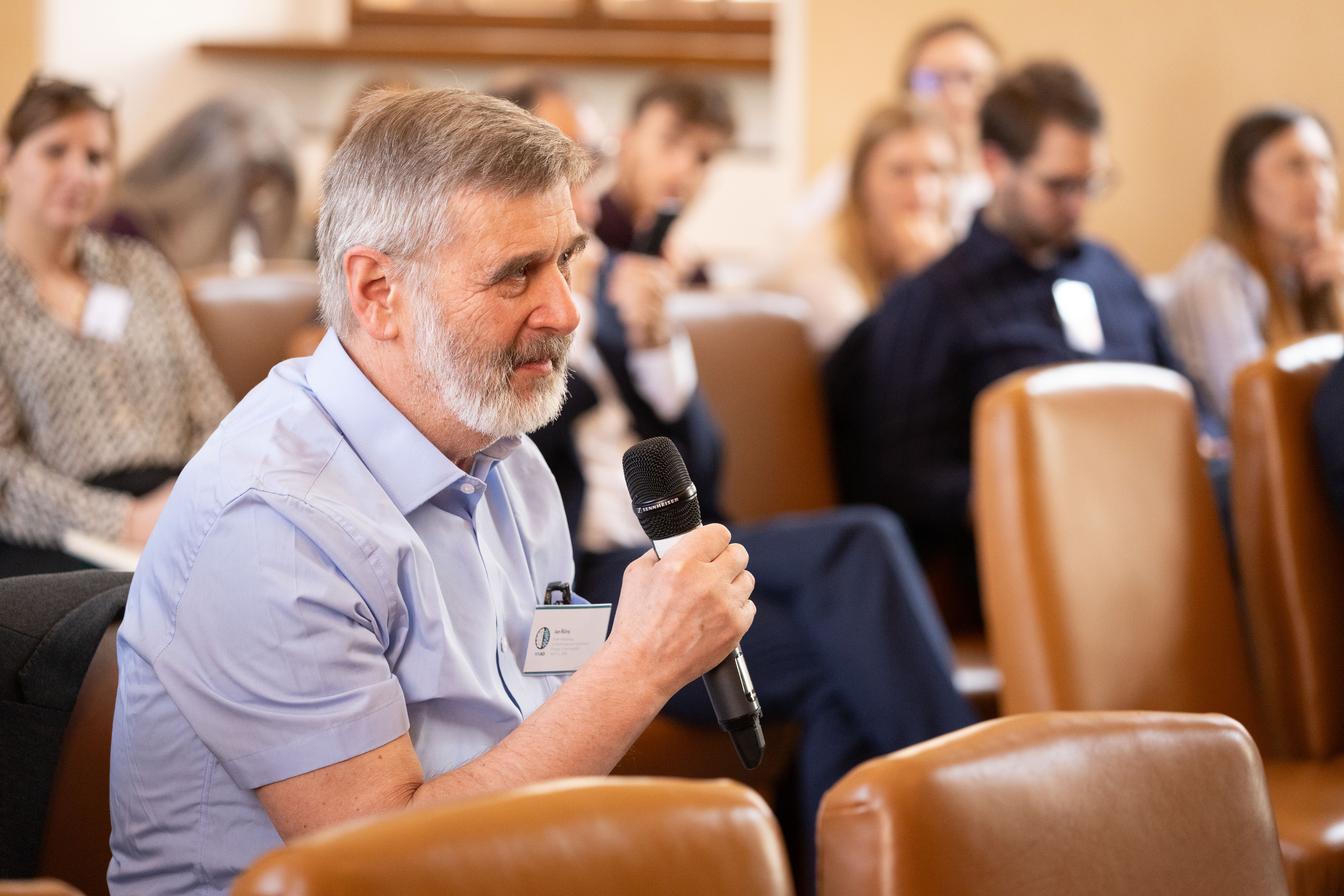
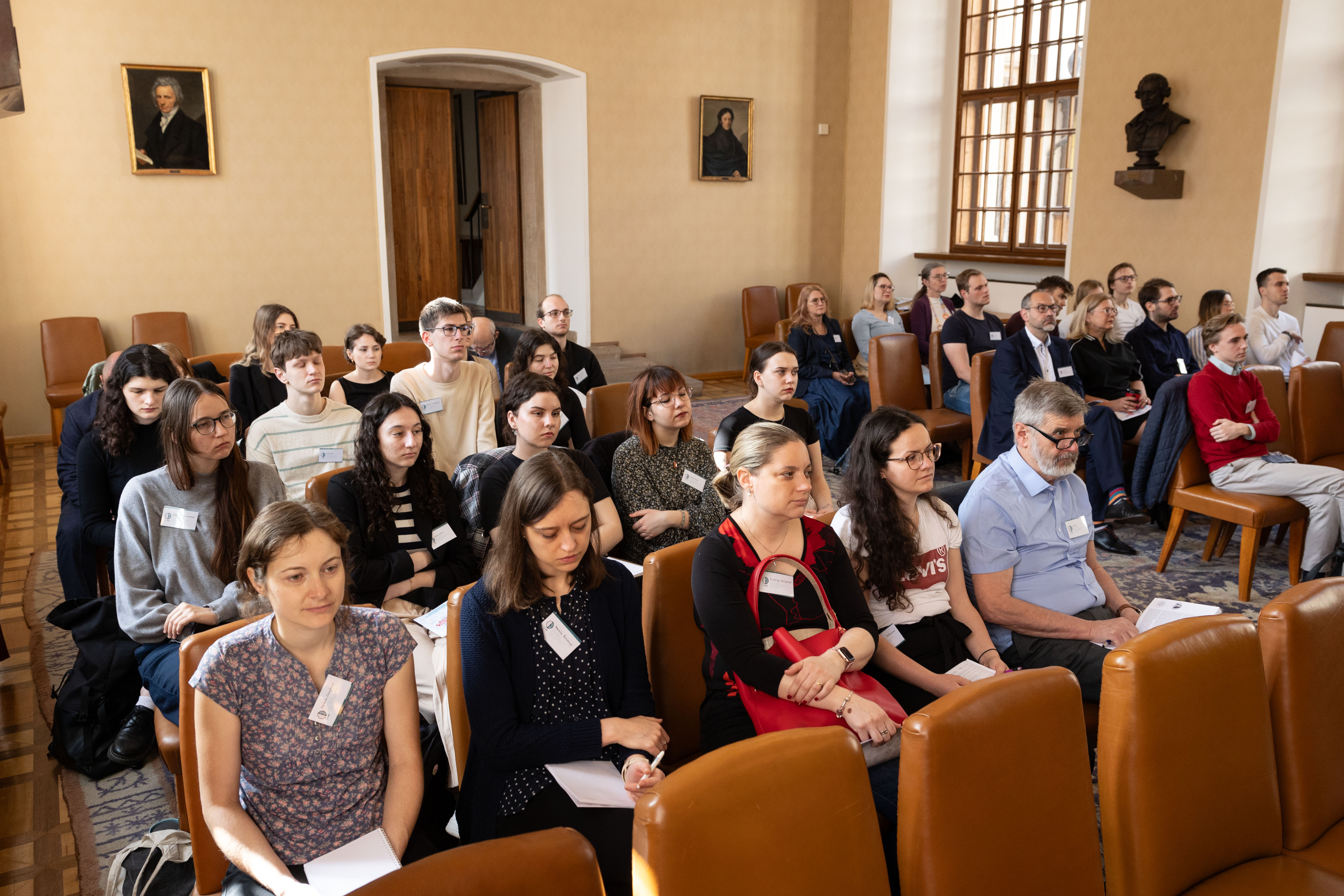
See pictures of the event below (copy right of the Photos: Charles University).
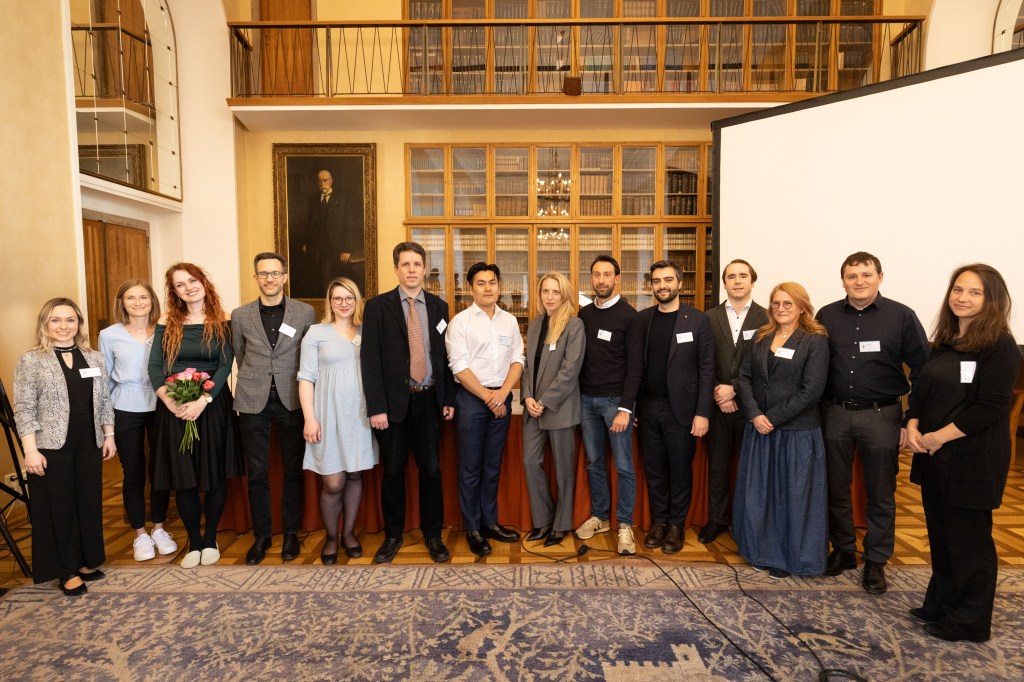
A group photo of speakers and organizers (konference Od mitofágie k neurokognitivním poruchám, pořádaná Neurologickou klinikou 2. LF UK a FN Motol s univerzitou v Oslu – Praha, Karolinum 11.4.2024)
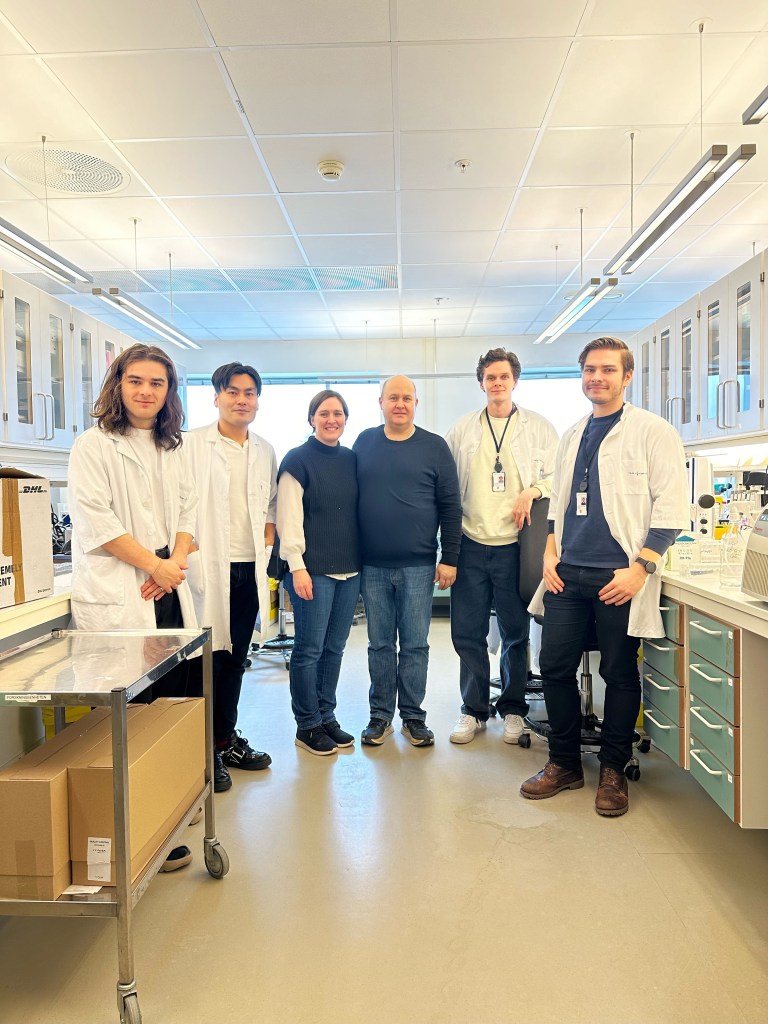
Today, Mr. Jan Runar Eliassen, the Ambassador of the NO-AD ‘User Representative Comittee’, with his wife Marion Tur Eliassen, visited the Evandro Fang Laboratory and Epi-Gen department at the Akershus University Hospital, Norway.
Fang introduced his laboratory projects as well as the translational studies they are working on to Eliassen. Master student Nikolai Jensrud Skaar showed Eliassen on what laboratory systems the Fang lab are using to screen drug candidates against Alzheimer’s disease. PhD student Tomás Schmauck-Medina, MSc Neuroscience (UCL, UK), gave a detailed demonstration on how to use the state-of-art techniques, such as confocal microscopy, to check neuronal damage, in Alzheimer’s disease tissues.
The visit enhanced mutual understanding and propelled further engagement of Alzheimer’s disease patients and their family members to Alzheimer’s disease laboratory research activities. Eliassen will be giving a welcome speech in the 2nd Norway-UK meeting on ageing and dementia on 22 April 2024 in Domus Medica (see preliminary programm below).
Mr. Jan Runar Eliassen participated in the award-winning TV series (filmed by the Norwegian national TV station NRK) ‘Dementia Choir’ (reference) Season 1 and Season 2. Mr. Jan Runar Eliassen are working with NO-AD coordinators Drs. Evandro Fei Fang (UiO) and Asgeir Kobro-Flatmoen (NTNU) in disseminating the latest scientific discoveries of dementia to the general population.
Today, The Norwegian National anti-Alzheimer’s Disease Network (NO-AD), supported by Nasjonalforeningen for folkehelsen / The Norwegian Health Association, has appointed Mr. Jan Runar Eliassen as the Ambassador of the NO-AD ‘User Representative Comittee’. Mr. Jan Runar Eliassen (49/50) was diagnosed with dementia at 45 years of age (reference), and since then he has been actively involved in public dissemination of the knowledge of dementia as well as in raising funding and participating in social activities to fight against dementia.
Mr. Jan Runar Eliassen participated in the award-winning TV series (filmed by the Norwegian national TV station NRK) ‘Dementia Choir’ (reference) Season 1 and Season 2. Mr. Jan Runar Eliassen will be working with NO-AD coordinators Drs. Evandro Fei Fang (UiO) and Asgeir Kobro-Flatmoen (NTNU) in disseminating the latest scientific discoveries of dementia to the general population.
Jan-Runar Eliassen and Mina Gerhardsen (Secretary General of the Norwegian Health Association) FOTO: ANNE ELISABETH NESS / NTB
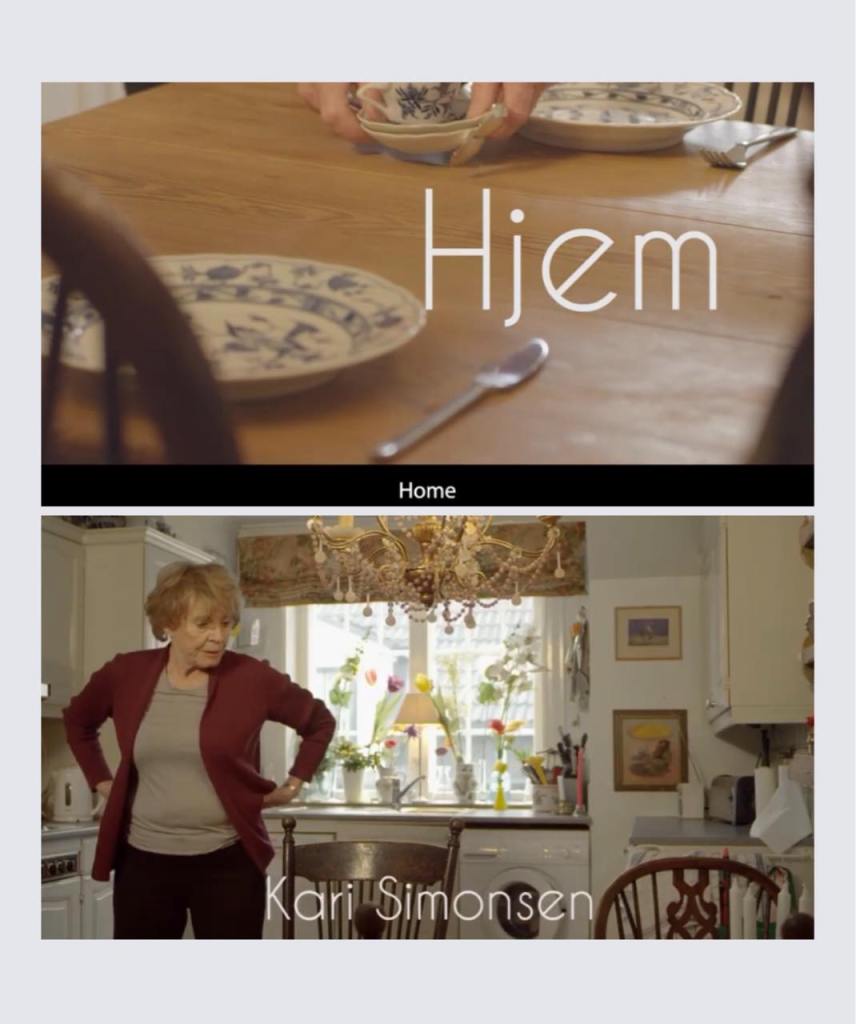
This short film directed by the former Hollywood casting director Karl Stavem, around 10 years ago, on #Alzheimer and how it affects family relationships, is worth seeing. It stars Kari Simonsen, Mia Gundersen, and Torunn Lødemel.
Images: from the film ‘Hjem’.
Denne kortfilmen regissert av Karl Stavem, om #Alzheimer og hvordan den påvirker familieforhold, er verdt å se. Med bl.a. Kari Simonsen, Mia Gundersen og Torunn Lødemel.
这部由 Karl Stavem 执导的关于#Alzheimer 及其对家庭关系的影响的短片值得一看。它由 Kari Simonsen、Mia Gundersen 和 Torunn Lødemel 主演。
The Norwegian National Anti-Alzheimer’s disease Network (No-AD), opened in 2020, warmly welcomes a new NO-AD co-coordinator Dr. Asgeir Kobro-Flatmoen from the Kavli institute in Trondheim, Norway.
Asgeir Kobro-Flatmoen, newly appointed Co-leader of the Jebsen Centre for Alzheimer’s disease at the Kavli institute in Trondheim, is now joining Evandro F. Fang (UiO) as co-coordinator for the NO-AD network. Kobro-Flatmoen does research on the neuroanatomy and cell-biology of Alzheimer’s disease, and discovered the unique vulnerability for a specific subset of neurons in entorhinal cortex layer II to the accumulation of amyloid-beta, namely the reelin-expressing projection neurons. His current work is centered on understanding how processes in these neurons may set off the disease-cascade.
As co-founding co-coordinator, Prof. Menno Witter has just retired from NTNU (See our recent news). We thank Prof. Witter for his life-long and instrumental contribution to neuroscience and his pioneering work in establishing the NO-AD network. Prof. Witter will be serving as Coordinator Emeritus to continually guide and support the NO-AD events and activities.
The NO-AD network is supported by the Nasjonalforeningen.
For news release or more information, please contact Dr. Asgeir Kobro-Flatmoen at asgeir.kobro-flatmoen@ntnu.no.
Dr. Asgeir Kobro-Flatmoen. Image: NTNU
Dr. Asgeir Kobro-Flatmoen with Prof. Menno P. Witter. Photo from Asgeir Kobro-Flatmoen
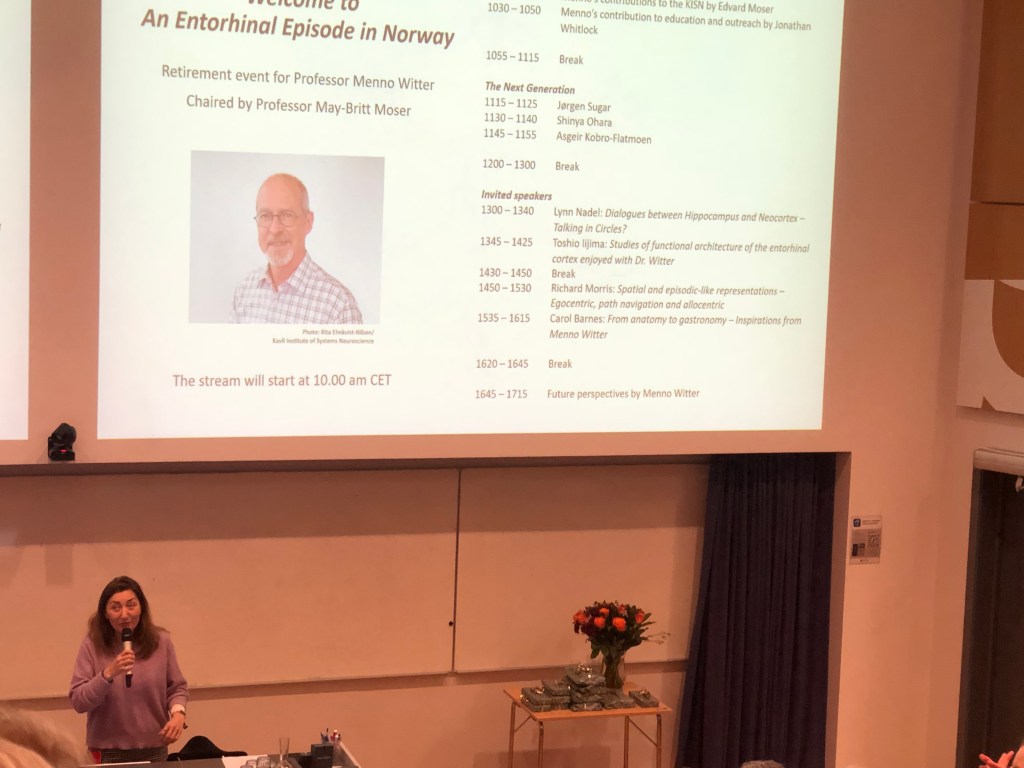
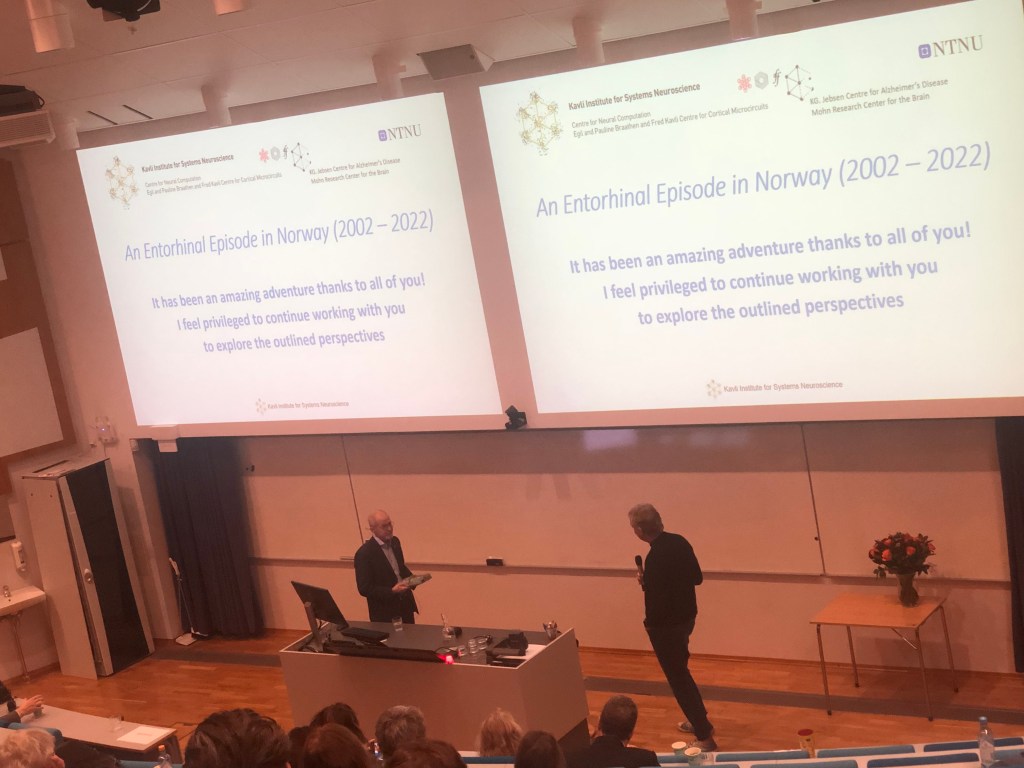
On 30 Nov 2022 in NTNU, Prof. Menno Witter’s current and former colleagues, collaborators, trainees, as well as his family and friends were joining together to celebrate the life-long contribution of Prof. Menno Witter’s contributions to science and higher education. The event entitled “An Entorhinal Episode in Norway” was helded in Øya Helsehus, Mauritz Hansens gate 2, 7030 Trondheim, Auditorium ØHA1: https://link.mazemap.com/GFLMKZwt.
The programme consists of 0930 – 1000 Coffee and Tea 1000 – 1025 Menno’s contributions to the KISN by Edvard Moser 1030 – 1050 Menno’s contribution to education and outreach by Jonathan Whitlock 1055 – 1115 Break “The Next Generation” (10min talks) 1115 – 1125 Jørgen Sugar 1130 – 1140 Shinya Ohara 1145 – 1155 Asgeir Kobro-Flatmoen 1200 – 1300 Break Invited speakers – (40/45min talks) 1300 – 1340 Lynn Nadel: Dialogues between Hippocampus and Neocortex: Talking in Circles? 1345 – 1425 Toshio Iijima: Studies of functional architecture of the entorhinal cortex enjoyed with Dr. Witter 1430 – 1450 Break 1450 – 1530 Richard Morris: Spatial and episodic-like representations: egocentric, path-navigation and allocentric 1535 – 1615 Carol Barnes: From anatomy to gastronomy: Inspirations from Menno Witter 1620 – 1645 Break 1645 – 1715 Future perspectives by Menno P. Witter 1715 – 1815 Optional mingling (with drinks and snacks)
The event was chaired by Witter’s long-term collaborator the Nobel Laureate Prof. May-Britt Moser and was opened by his another long-term collaborator the Nobel Laureate Prof. Edvard Moser. Witter’s trainees and long-term collaborators gave exciting talks on memory and the brain. At the end of Prof. Witter’s speech, all the audience spontaneously stood up and applauded him for over one minutes!
Thank you Prof. Menno Witter for your instrumental contribution in building our NO-AD network and on your continued support of the NO-AD activities.
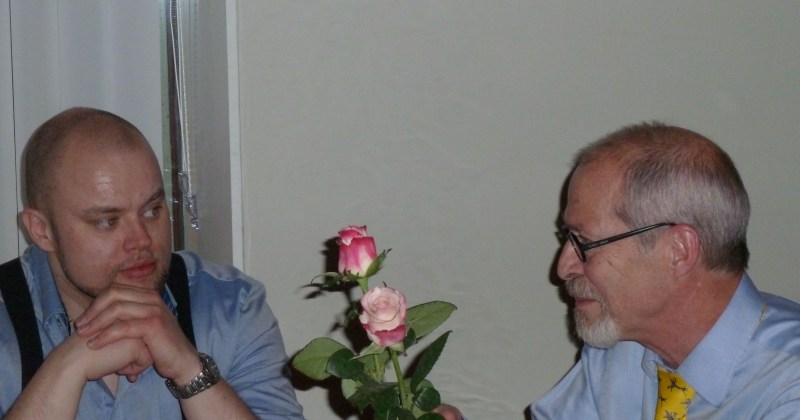
Some pictures of the events are shown below (photos: Fang EF).
NO-AD co-coordinator Associate Professor Evandro F. Fang, from the University of Oslo and the Akershus University Hospital (Ahus), has awarded a funding entitled ‘TURNING UP MITOPHAGY TO BLUNT ALZHEIMER’S TAU PATHOLOGIES’ from the prestigious Alzheimer’s Disease Fund. In this project, Fang aims to investigate molecular mechanisms of defective mitophagy in pathological Tau environment and will explore the anti-Tau capacity in the condition of restoring mitophagy in different AD model systems. The funding is 200,000 USD/year for two years pending extension.
Abstract of the project Alzheimer’s disease (AD) is on the rise, affecting approximately 45 million people worldwide. AD imposes a formidable socioeconomic burden on individuals, their families and society at large, to the annual tune of 1 trillion USD in 2018. Yet, despite more than a century of extensive research, there is still no cure. Many attempts to treat AD have been unsuccessful. As such, there is a need to expand the current range of research to elucidate additional causes of AD, allowing the identification of new culprits that will provide novel strategies and targets for anti-AD drug development. Mitochondria are subcellular organelles and are the cell’s “powerhouses.” Our brain consumes startling amounts of energy, especially when compared with other organs. The provision of this level of energy is dependent on a healthy mitochondrial pool. Unfortunately, mitochondria are susceptible to endogenous (e.g., oxidative stress) and exogenous (e.g., unhealthy food) stressors. However, damaged mitochondria are specifically identified and removed by our body’s “garbage disposal system”—a process known as “mitophagy.” The efficiency of this “disposal system” deteriorates noticeably with age, leading to the accumulation of damaged mitochondria and other ‘brain garbage.’ Accordingly, the accumulation of massive “brain garbage” leads to neuronal death and impaired memory, as observed in neurodegenerative disease such as AD. The Evandro Fang group at the University of Oslo is among the first groups to propose and demonstrate a likely causative role for defective mitophagy as a key driver in AD initiation and progression. However, the exact mechanisms underlying the interplay of defective mitophagy in AD progression remain elusive. Thus, with this Cure Alzheimer’s Fund grant, we aim to extend our research into understanding the mechanisms underlying the defective “garbage disposal system,” both in tau pathology and in the broader development and progression of AD. This approach may revolutionize our understanding of AD and serve to direct clinical drug discovery in new and more fruitful directions. Ultimately, our work on AD could reduce the socioeconomic burden of the disease and help to improve the quality of life for millions of AD patients and their families across the world.



















































 NO-AD
NO-AD 