About
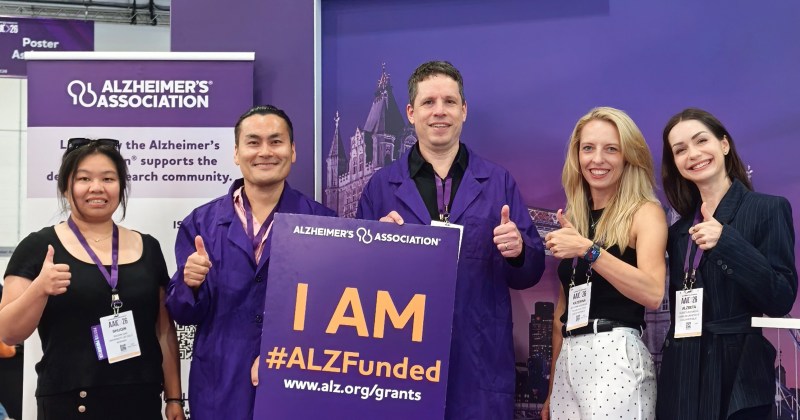
Jointly led by scientist Prof. Dr. Evandro Fei Fang (Fang-Stavem) and physician Associate Prof. Dr. Martin Vyhnalek, Mito-AD is a Phase II randomised controlled trial (RCT, ClinicalTrials.gov registration number # NCT07842146; Study Details | NCT07842146 | The Effect of Urolithin A (Mitopure®) on Alzheimer’s Disease | ClinicalTrials.gov) testing the efficacy of a mitophagy inducer urolithin A in slowing down Alzheimer disease. This Mito-AD RCT is a mechanism-driven clinical study supported by the hypothesis and preclinical evidence that age-caused mitophagy compromission is a major risk of Alzheimer disease (Fang, Nature Neuroscience 2019 and Nature Ageing 2026; Kingwell K, Nat Rev Drug Discov, 2019; Fyfe I, Nat Rev Neurol, 2026). Mito-AD is supported by the USA-based Alzheimer Association with molecule from Amazentis. Key team members are Associate Prof. Dr. Martin Vyhnalek and Dr. Katerina Veverova from Charles University and Motol University Hospital (Czech Republic) as well as Prof. Dr. Evandro Fei Fang (Fang-Stavem) and Dr. Queena Shu-qin Cao from Akershus University Hospital and the University of Oslo (Norway).
A full list of our Mito-AD team members (continually updated)
Oslo
Prof. Dr. Evandro Fei Fang (Fang-Stavem) (PI)
Postdoc Dr. Queena Shu-qin Cao: co-coordinator of the whole programme and especially at the Oslo side
Dawn Thale Patrick-Brown: administration
Senior researcher Dr. Sofie Lautrup: data collection and analysis
PhD student Johannes Frank: data collection and analysis
PhD student Beatriz Escobar Doncel: data collection and analysis
Prague
Associate Prof. Dr. Martin Vyhnalek: co-PI (over view of the whole clinical part)
Dr. Katerina Veverova: co-coordinator of the whole programme and head of Laboratory Analyses at Charles University
Prof. Jan Laczo: patient recruitment and data collection
Dr. Hana Horakova (Markova): Lead of the neuropsychology team at Charles University
Mito-AD team members (continually updated)
Prof. Dr. Evandro Fei Fang-Stavem (University of Oslo and Akershus University Hospital, Norway): PI
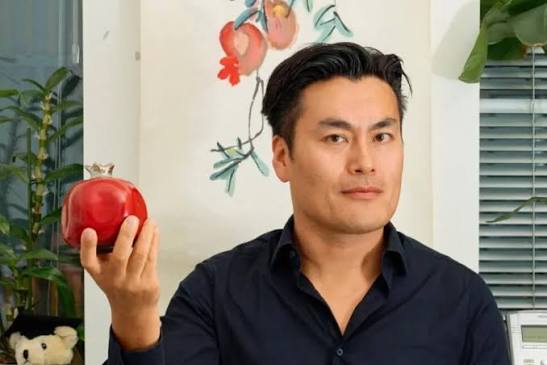
Evandro F. Fang is the Professor of Gerontology and Neuroscience at the University of Oslo (UiO) and the Akershus University Hospital, Norway, and his group are working on the molecular mechanisms of human ageing and age-predisposed neurodegeneration (https://evandrofanglab.com/). Dr Fang is fascinated with and actively engaged in moving his laboratory findings to translational applications and is involved in several NAD+-based clinical trials, with the overarching goal of establishing novel and safe biological approaches to promote longer and healthier human lives. As a Clarivate Highly Cited Researcher 2025 (1‰; and one of 22 in Norway), he has published over 150 papers in international peer-reviewed journals including papers in Cell, Cell Metabolism, Nature Reviews MCB, Nature Neuroscience, Nature Ageing, Nature Biomedical Engineering, and Lancet Healthy Longevity. He routinely reviews grants for more than 30 leading foundations, including European Research Council (ERC, EU), Medical Research Council (MRC, UK), and AFAR (USA). He has been / was associate Editor-in-Chief (Deputy Editor) of 4 leading ageing journals, including Ageing Research Reviews, Mechanisms of Ageing and Development, npj Ageing, and Journal of Gerontology: Biological Section. He has received several awards including the Butler-Williams Scholar on Aging 2016 by NIA (USA), the ‘Scientific Award to Young Scientist in the Natural Sciences for 2020 by The Royal Norwegian Society of Sciences and Letters (Norway), and the 2023 Norwegian National Dementia research award of the National Association for Public Health presented by H.M. King Harald V of Norway. He is the founding (co)coordinator of the Norwegian Centre on Healthy Ageing network (NO-Age, www.noage100.com), the Norwegian National anti-Alzheimer’s disease Network (NO-AD, www.noad100.com), and the Hong Kong-Nordic Research Network. He sits in the expert roundtable on aging research for the United Nation’s Scientific Advisory Board. He is an academician of the Norwegian Academy of Science and Letters (DNVA, 挪威科學與文學院院士). With Dr. Martin Vyhnálek, they are leading this Mito-AD RCT. Photo: D-2.
Keywords: gerontology, Alzheimer, mitochondria, urolithin A, mitophagy.
Associate Professor Martin Vyhnálek (Charles University, Czech Republic): co-PI
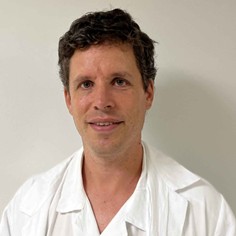
Associate Professor Martin Vyhnálek is a cognitive neurologist based in Motol University Hospital, Charles University in Prague, Czech Republic. After his medical studies, he completed a degree in clinical neuropsychology at Montpellier University in France. After returning to Prague, he co-founded the Czech Brain Aging Study – the only Czech longitudinal, observational study on aging and dementia. His research focuses mainly on early cognitive and neuropsychiatric markers of neurodegeneration and the role of subjective cognitive complaints in early AD diagnostics. With Evandro Fang, they are leading this Mito-AD RCT. Photo: Charles University.
Keywords: geriatrics, dementia, urolithin A, mitophagy.
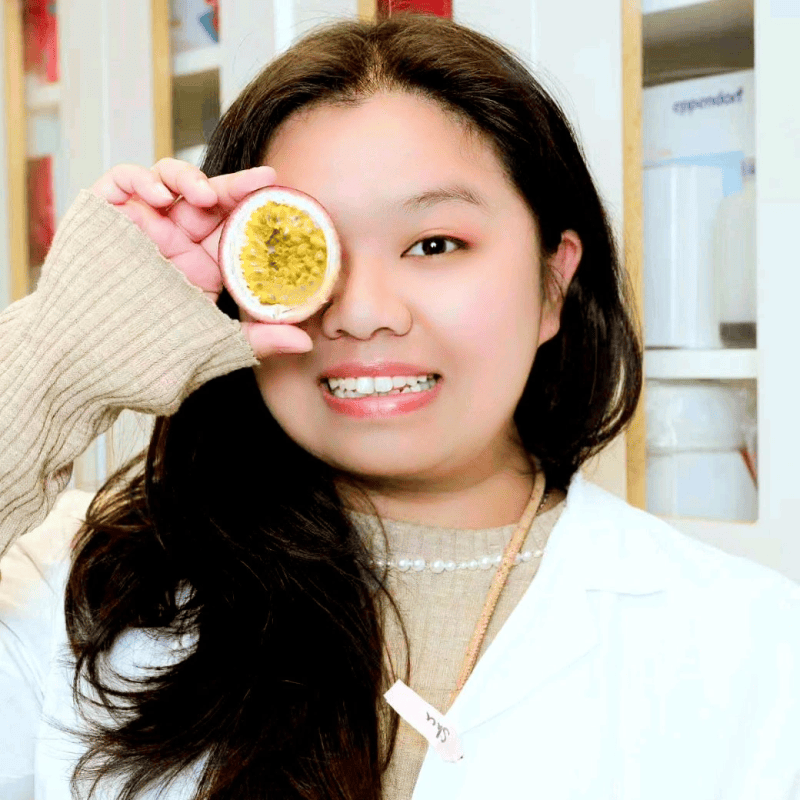
Postdoc Dr. Queena Shu-qin Cao: co-coordinator of the whole programme
Shu holds a bachelor degree from The University of Malaya, Malaysia, and did a PhD programme in Clinical Biochemistry and Molecular Medicine at the Chulalongkorn University, Thailand. She was working as a visiting student in the Fang lab (UiO) from Feb 2020 to Jan 2022 and finished her PhD thesis in the Fang lab and defended her PhD in Oslo via zoom. Her PhD project was focused on the identification of potential anti-AD drug candidates from natural molecules isolated from Thai medicine. In her postdoc programme, she is continuing in depth characterization of a few novel mitophagy inducers she has identified during her PhD period. She is also working on NAD+ and TFEB in AD. She was the 2025 recipient of the prestigious nasjonalforeningen for folkehelsen postdoc fellowship (3.0 million NOK). Cao had her oral defense (viva voce) entitled ‘Neuroprotective effects of Passiflora Edulis Sims against amyloid beta-induced neurotoxicity’ in 2021 in the Fang Lab (zoom to Chulalongkorn University). Shu co-coordinates the whole Mito-AD programme. Photo: Birgit Solhaug (UiO)
Keywords: food nutrition, chromatography, passion fruit, dementia.
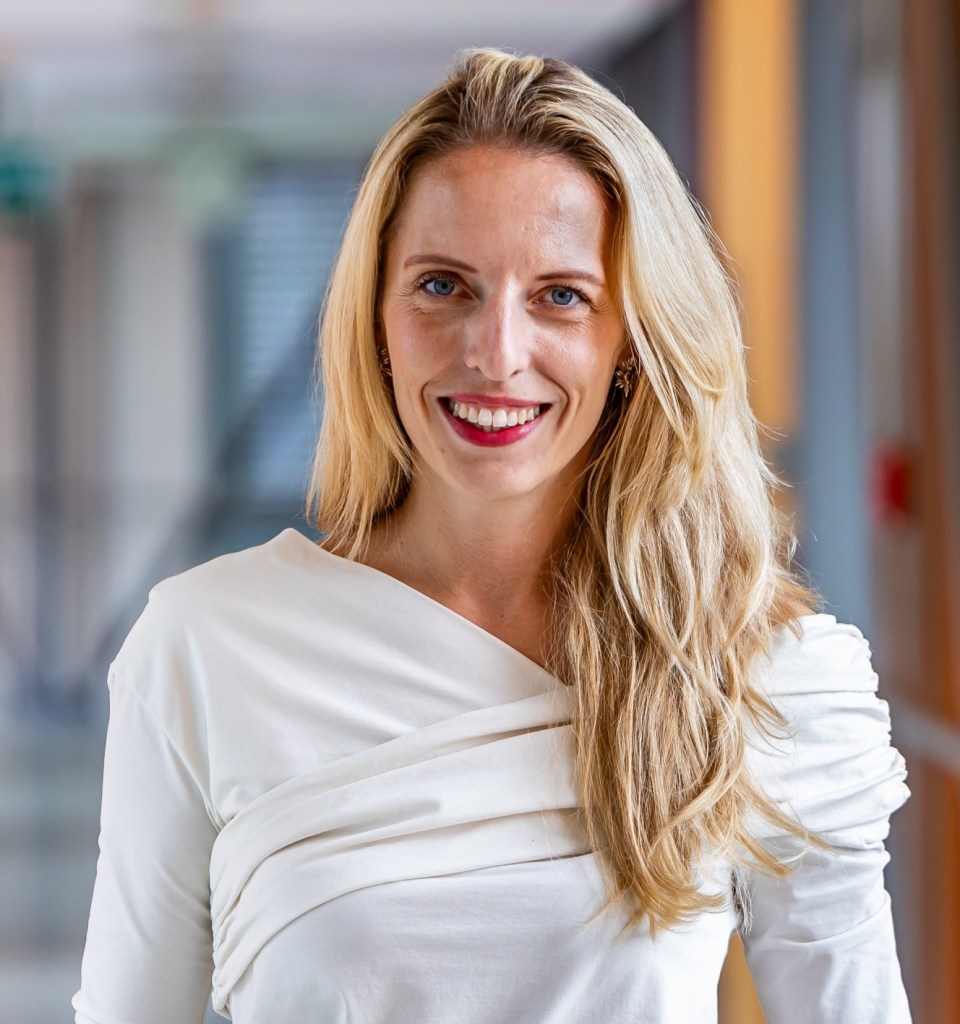
Dr. Katerina Veverova (Cechova) (Charles University, Czech Republic): co-coordinator of the whole programme and head of Laboratory Analyses at Charles University
Dr. Kateřina Veverová is a cognitive neuroscientist at the Second Faculty of Medicine, Charles University, and Motol University Hospital in Prague. She is also an Assistant Professor at the Department of Psychology, Faculty of Arts, Charles University, where she teaches neuroscience and neurophysiology. She leads the Czech Brain Aging Lab, which investigates biofluid biomarkers of neurocognitive disorders. Her research focuses particularly on blood-based biomarkers of Alzheimer’s disease (AD), biomarkers of mitophagy and autophagy, brain-derived extracellular vesicles, and the psychosocial factors associated with AD, conducted in close collaboration with the Department of Psychology. In addition to her academic research, Dr. Veverová works with the Czech AI Factory at the Czech Institute of Informatics, Robotics and Cybernetics at the Czech Technical University in Prague, where she helps bridge artificial intelligence with health data. Within the Mito-AD RCT, she leads the laboratory program and is responsible for analyzing blood-based biomarkers of AD. Photo: Charles University
Keywords: autophagy, blood-based biomarkers, cognition, geriatrics, mitophagy, ROS, urolithin A
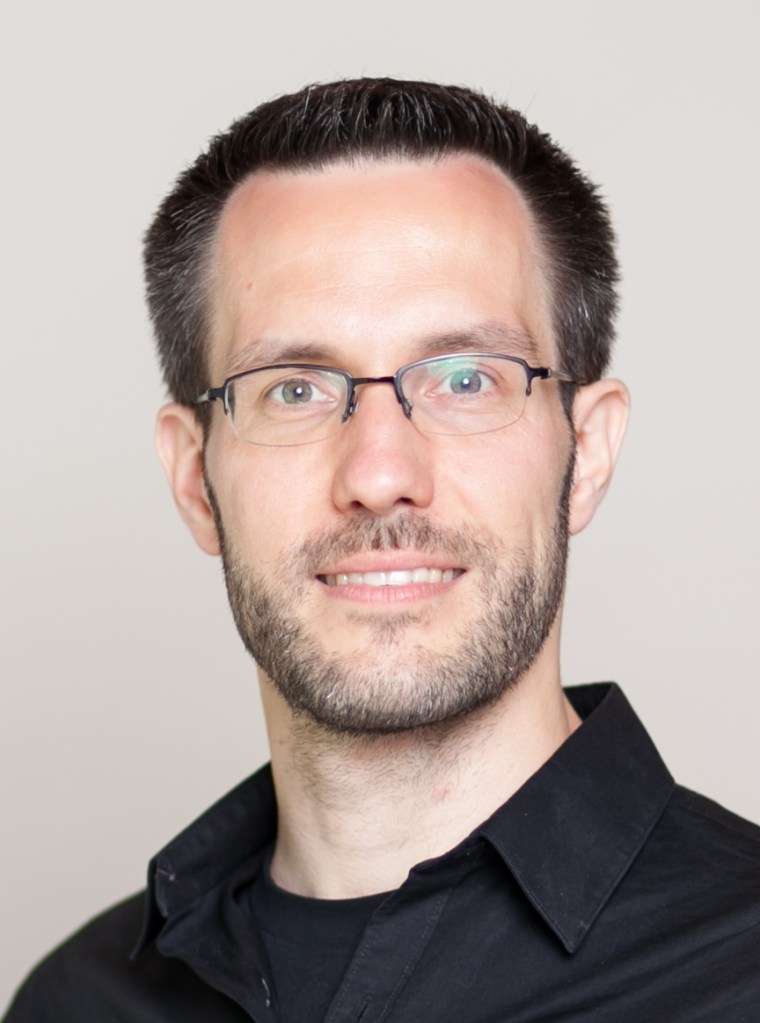
Prof. Dr. Jan Laczó (Charles University, Czech Republic): clinical patient recruitment, diagnosis, and follow-up
Dr Jan Laczó is a professor of neurology and a senior cognitive neurologist at the Memory Clinic, Department of Neurology, Second Faculty of Medicine, Charles University and Motol and Homolka University Hospital, specializing in the diagnosis and treatment of neurodegenerative diseases, particularly Alzheimer’s disease (AD). He is a senior member of the Czech Brain Aging Study (CBAS), the only longitudinal, clinically based study of brain aging in the Czech Republic. His research focuses on early biomarker and cognitive changes in normal and pathological ageing, including degenerative and non-neurodegenerative diseases leading to dementia. Dr Laczó is the founder and director of the Laboratory of Spatial Cognition. He has developed and implemented numerous experimental cognitive tests focused on the early detection of neurodegenerative diseases. He has led and participated in several grant-funded international and national projects and co-investigated more than 20 clinical trials on biomarker validation and drug efficacy, as well as observational studies. He is a member of several international and national neurological and AD expert societies, co-author of the European guidelines for the treatment of AD and European recommendations on the diagnosis of neglect syndrome. He has served as a reviewer for several scientific journals and funding agencies, and was a Vice-Chair and Chair of the Neurosciences Review Panel of the Grant Agency of the Czech Republic. Within the Mito-AD RCT, he leads the clinical team and is responsible for coordinating participant recruitment. Photo: Charles University
Keywords: dementia, diagnosis, biomarkers, Spatial Cognition.
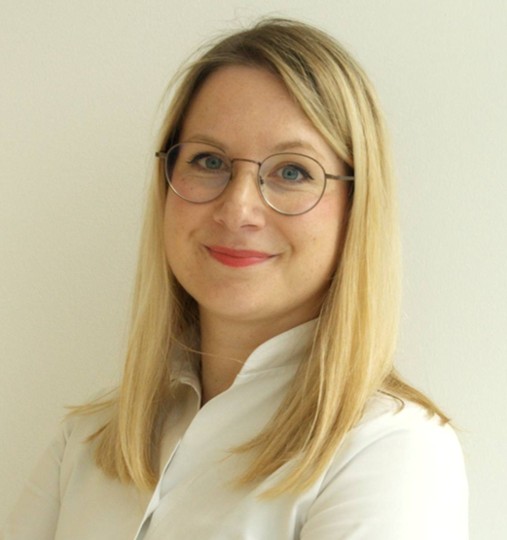
Dr. Hana Horakova (Markova) (Charles University, Czech Republic): Lead of the neuropsychology team at Charles University
Dr. Horakova (Markova) is a clinical and research neuropsychologist and Assistant Professor at Charles University. She is affiliated with the Memory Clinic, Department of Neurology, Second Faculty of Medicine, Charles University, and Motol and Homolka University Hospital. Her research focuses on improving the early detection and characterization of Alzheimer’s disease (AD) by evaluating sensitive cognitive markers, with particular emphasis on their clinical interpretation. Within the Czech Brain Aging Study, she investigates subjective cognitive decline and neuropsychological approaches relevant to the early detection and characterization of AD in biomarker-defined cohorts. She also contributes to postgraduate training in clinical psychology and is involved in the development of the national training programme in clinical neuropsychology in the Czech Republic. Within the Mito-AD RCT, she leads the Charles University neuropsychology team and coordinates the neuropsychological component of the study. Photo: Charles University.
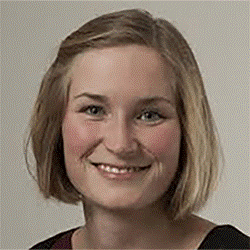
Dr. Sofie Lautrup (UiO/Ahus): laboratory data collection and analyses.
During her PhD program, Dr Lautrup studied the connections between the DNA repair pathway base excision repair (BER) and cognitive capacity during aging and disease, under the supervision of Associated Professor Tinna Stevnsner at Aarhus University, Denmark. In addition, she has worked with premature aging by characterising two Danish patients suffering from Cockayne Syndrome (MAD 2018). Dr Lautrup also worked in the laboratory of Dr Vilhelm A. Bohr at National Institute on Aging, Baltimore, USA during her PhD programme. At NIA, she examined the effect of treatment with the NAD+ precursor Nicotinamide Riboside (NR) on different Alzheimer’s disease (AD) mouse models, including a DNA repair deficient AD mouse model (PNAS, 2018). Furthermore, she worked on elucidating the effects of treatments with mitophagy-inducing compounds on an AD mouse model. In the Fang laboratory, she is very interested in studying how NAD+ supplementation affects features seen during both normal aging and premature aging including reduced stem cell proliferation and premature senescence. Dr Lautrup utilises fly-models (Drosophila Melanogaster) of the premature aging disorder Werner Syndrome (WS), in addition to C. elegans and human iPSCs, to elucidate how WS patients show reductions of stem cells and how this is related to compromised mitophagy. She works on laboratory data collection and analyses for this Mito-AD RCT. Photo: private.
Keywords: DNA repair, ageing, autophagy, ferroptosis, dementia.
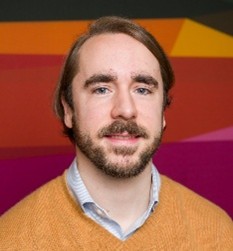
Johannes Frank, DPhil student (UiO): data collection and analyses
Mr. Johannes Frank is a PhD student at the Evandro Fang Lab in UiO. He had his bachelor´s degree in Krems and master degree in the University of Vienna, both in Austria. His PhD project covers the molecular mechanisms of brain ageing and Alzheimer’s disease focusing on the crosstalk between ferroptosis and compromised autophagy / mitophagy. He uses a cross-species model platform to address these questions, including C. elegans, flies, mice, human brain organoid, as well as human samples (blood and postmortem brain tissues). He has publications in Mech Ageing Dev., Ageing Research Reviews, and Alzheimer´s and Dementia. He works on laboratory data collection and analyses for this Mito-AD RCT. Photo: Birgit Solhaug (UiO).
Keywords: ageing, urolithin A, mitophagy, autophagy, lipidomics, iron metabolism, ferroptosis.
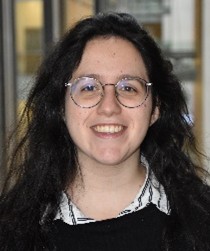
Beatriz Escobar Doncel, DPhil student (UiO): data collection and analysis
Beatriz got her bachelor degree in “Health Biology” at the University of Alcalá (UAH) in Spain, where she learnt the best of medicine and biology together. She had just finished her MSc in “Therapeutic Targets in Cell Signaling: Research and Development”. She is doing a PhD in the Fang lab on mechanisms of ageing and Alzheimer’s disease, and is actively involved in the development of drug candidates against Alzheimer’s disease and in prompting healthy ageing. In the Fang Lab, she has publications in Brain, NPJ Ageing, Ageing Research Reviews, and Autophagy. She works on laboratory data collection and analyses for this Mito-AD RCT. Photo: private.
Keywords: ageing, m6A, RNA modifications, Alzheimer´s disease, mitophagy.
Mito-AD starts in 2026 and is expected to last for 3-4 years. For prospective scientific collaborations and questions, please contact us at Martin.Vyhnalek@lfmotol.cuni.cz (M.V.) or e.f.fang@medisin.uio.no (E.F.F.).
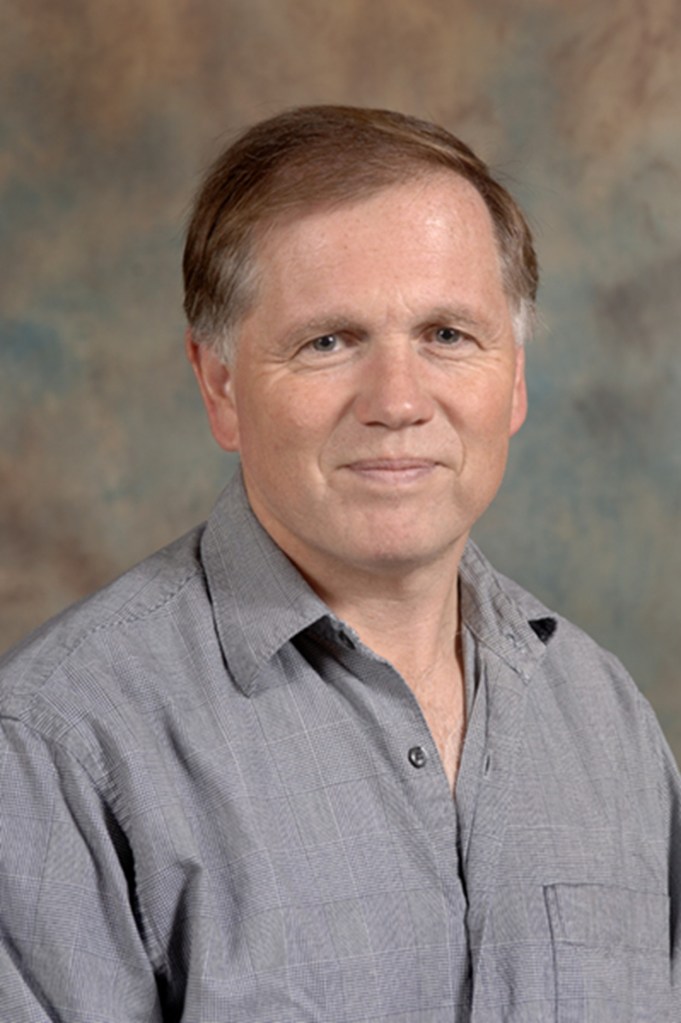
Scientific Advisory Board (SAB) (continually updated)
Prof. Dr. Vilhelm Bohr (University of Copenhagen, Denmark)
Prof. Dr. Bohr´s early professional training took place at the University of Copenhagen, Denmark, where he earned an M.D. in 1978, and both Ph.D. and D.Sc. degrees in 1987. After training in neurology and infectious diseases at the University Hospital in Copenhagen, he undertook postdoctoral studies in Biochemistry in the laboratory of Dr. Hans Klenow at the University of Copenhagen, where he first became interested in nucleic acid metabolism. He developed this interest further when he held a Visiting Scholar position in the laboratory of Dr. Philip Hanawalt at Stanford University from 1982-1986. In 1986, he obtained a Junior Investigator appointment at the National Cancer Institute (NCI), and advanced to a tenured Senior Investigator appointment in 1988. In 1992, he was appointed Chief of the Laboratory of Molecular Genetics at the National Institute on Aging (NIA). Throughout his career, he has made significant contributions and advanced understanding of DNA repair pathways and mechanisms and the cellular response to oxidative DNA damage and oxidative stress. He has also been especially interested in the repair and function of the mitochondrial genome. Early in his career, he developed a widely-used method for studying DNA repair in the transcribed portion of the genome and found that transcriptionally-active genes are preferentially repaired through a process now known as transcription-coupled nucleotide excision repair (TC-NER). The discovery of TC-NER provided strong evidence of the tight interaction between the cellular machineries for DNA repair and transcription in mammalian cells. Recently, Dr. Bohr´s team has made seminal findings about the relationships between DNA damage, DNA repair capacity and aging-associated neurodegeneration, and has proposed important models describing crosstalk between the nuclear and mitochondrial genomes, as well as the importance of energy homeostasis/imbalance and mitochondrial dysfunction in aging-related neurodegenerative disease. Most but not all of the research in the Bohr laboratory is funded through the intramural research program at NIA. With Evandro Fang and co-workers, Dr. Bohr´s team provided the world-first preclinical evidence of robust inhibition capacity of urolithin A against both Abeta and Tau pathologies (Fang EF et al., Nature Neuroscience 2019), directly leading to this Mito-AD RCT. Photo: NIA.
Keywords: molecular gerontology, DNA repair, urolithin A, mitophagy.
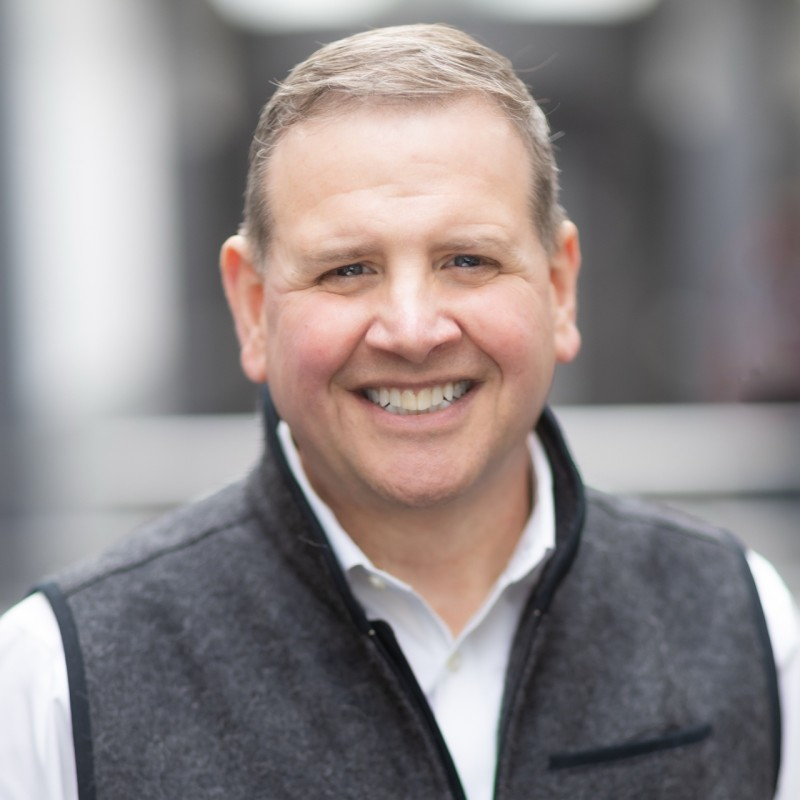
Prof. Dr. Gregory J. Moore (Gates Ventures, Kirkland, Washington; Alzheimer’s Disease Data Initiative, Kirkland, Washington; Penn State University College of Medicine, Hershey, Pennsylvania).
Professor of Radiology, Neurology, Neurosurgery and Psychiatry, Penn State University College of Medicine; Senior Advisor, Gates Ventures & Alzheimer’s Disease Data Initiative (ADDI); Former Corporate Vice President, Microsoft Health & Life Sciences. He is a physician–scientist, neuroradiologist, engineer, and neuroscientist whose research and leadership integrate artificial intelligence, data science, neuropharmacology and neuroimaging to advance understanding and treatment of neurdegenterative disease and mental illness. As Senior Advisor to Gates Ventures & the Alzheimer’s Disease Data Intiative (ADDI), he directs initiatives that apply AI to transform biomedical research, enable global data sharing, and accelerate translational progress in neurodegenerative disease. Prior to this role, he founded Google Cloud Healthcare & Life Sciences and later led Microsoft’s global Health & Life Sciences organization, guiding the development of AI-enabled research and clinical platforms worldwide. Prof. Moore holds several academic appointments including at Penn State University College of Medicine and remains active in collaborative research at the interface of neuroscience, AI, informatics, global health, and precision medicine; and is actively innovating novel clinical trial approaches to deliver transformative therapeutics to low and middle income countries. He also serves on multiple boards and advisory councils spanning AI, biotechnology, life sciences, healthcare and digital health innovation. Photo: private.
Keywords: neurology, drug development, AI, large data analysis.
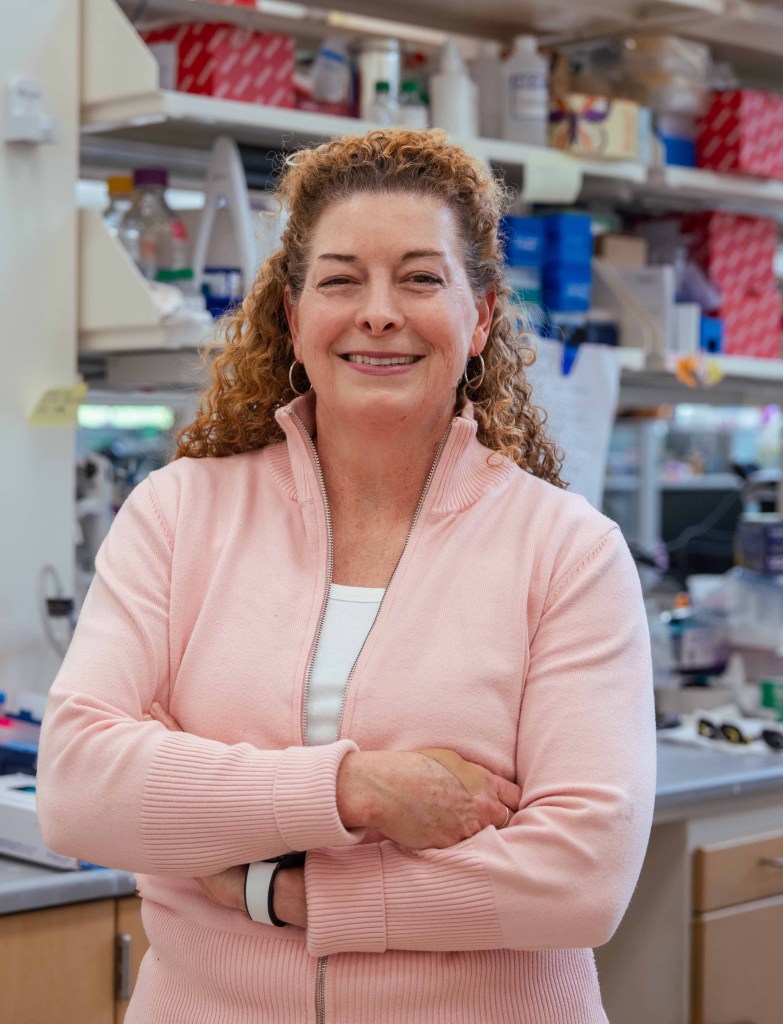
Prof. Coleen T. Murphy (Princeton University)
Coleen T. Murphy is a Professor of Genomics and Molecular Biology at Princeton University. She graduated from the University of Houston with a B.S. in Biochemistry and Biophysics, then earned her doctorate in Biochemistry at Stanford University, studying the structure-function determinants of the motor protein myosin. Dr. Murphy became interested in applying new quantitative technologies to approach the question of aging during her postdoctoral work in Dr. Cynthia Kenyon’s lab (UCSF), developing microarray approaches to identify the set of genes downstream of the insulin signaling/FOXO longevity pathway, revealing a vast array of downstream cellular processes, including stress response, proteostasis, metabolism, immunity, autophagy, and intercellular signaling, to extend cellular and organismal maintenance with age. In her own lab, Dr. Murphy’s team has developed C. elegans models of human “quality of life” aging phenotypes, such as cognitive aging and reproductive aging; these processes are remarkably well-conserved at the molecular level, and her group has identified genetic pathways that can extend these processes with age through the development of quantitative assays and genomic approaches to study these aging phenomena. Her recent study shows that promotion of mitophagy, including the use of urolithin A, may be an effective strategy to maintain oocyte health with age (paper here). Photo: Princeton.
Keywords: molecular gerontology, genetics, C. elegans, ageing, neuroscience.
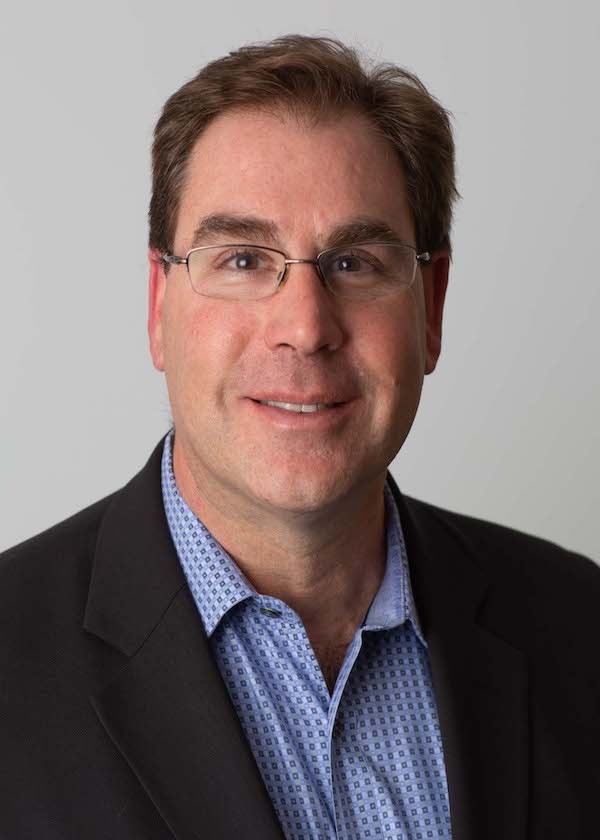
Prof. Robert Rissman (University of Southern California, USA)
Dr. Rissman is Professor Physiology and Neuroscience and the W.M. Keck Endowed Chair in Medicine at the University of Southern California (USC). He is the founding Director of the Neuroscience Translational Research Division (NTRD) at USC’s San Diego campus, Alzheimer’s Therapeutic Research Institute (ATRI). Concurrently with his research, Dr. Rissman also serves as the Biomarker Unit Lead for the Alzheimer’s Clinical Trials Consortium (ACTC) and USC’s Alzheimer’s Disease Research Center. The NTRD is comprised by a wet laboratory space and a large biorepository of -80 freezers to store specimens from clinical trials and longitudinal cohort studies. Using biobanked human specimens, animal and cell models, the goal of Dr. Rissman’s basic science research is to identify and validate plasma biomarkers for Alzheimer’s Disease and Related Disorders (ADRD) to better understand mechanisms of neurodegeneration and to streamline clinical trials recruitment. Work from Dr. Rissman’s lab has led to the validation of plasma biomarkers that predict AD brain neuropathology and progression of dementia and through analysis of plasma-derived extracellular vesicles, his group was also the first to demonstrate that TDP-43 protein within astrocyte extracellular vesicles can identify Limbic-predominant age-related TDP-43 encephalopathy (LATE). Using animal and cell culture models, Dr. Rissman’s lab is focused on understanding how synucleinopathy and other common comorbidities in AD can be identified and treated. Photo: USC.
Keywords: neuroscience, biomarkers, clinical trials, Alzheimer´s disease.
In the news
Most recent news in Linkedin
1. 20 millioner til viktig forskning på Alzheimers – Akershus universitetssykehus HF
2. Part the Cloud Grants $5 Million for Gene Targeting Treatments

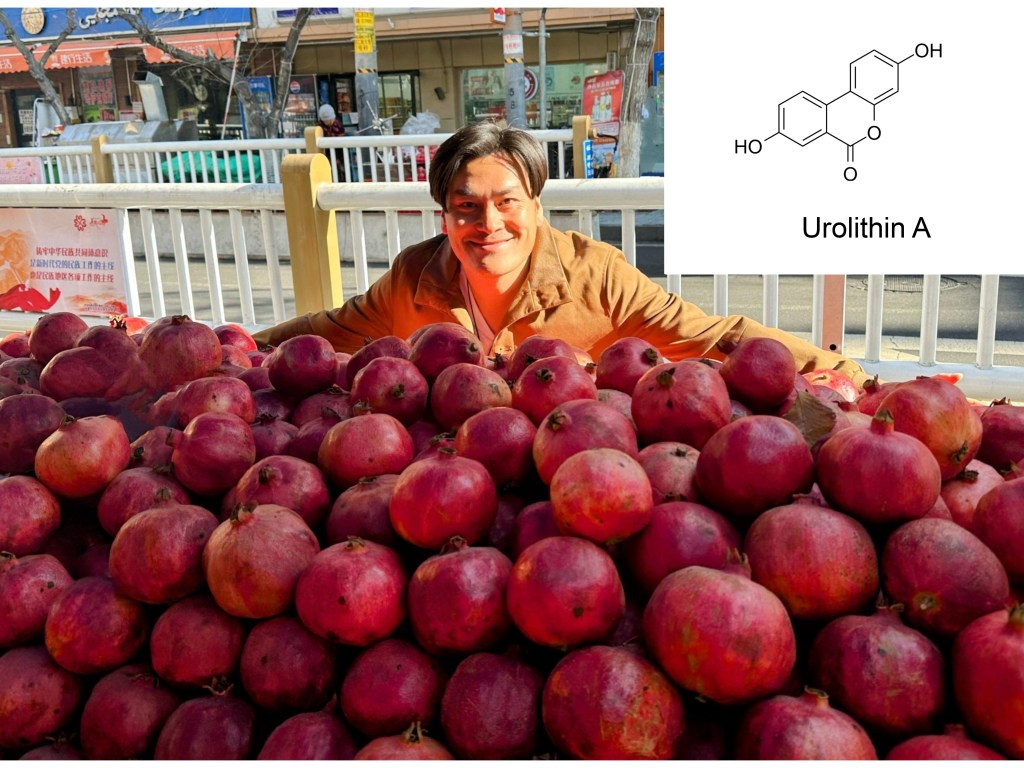


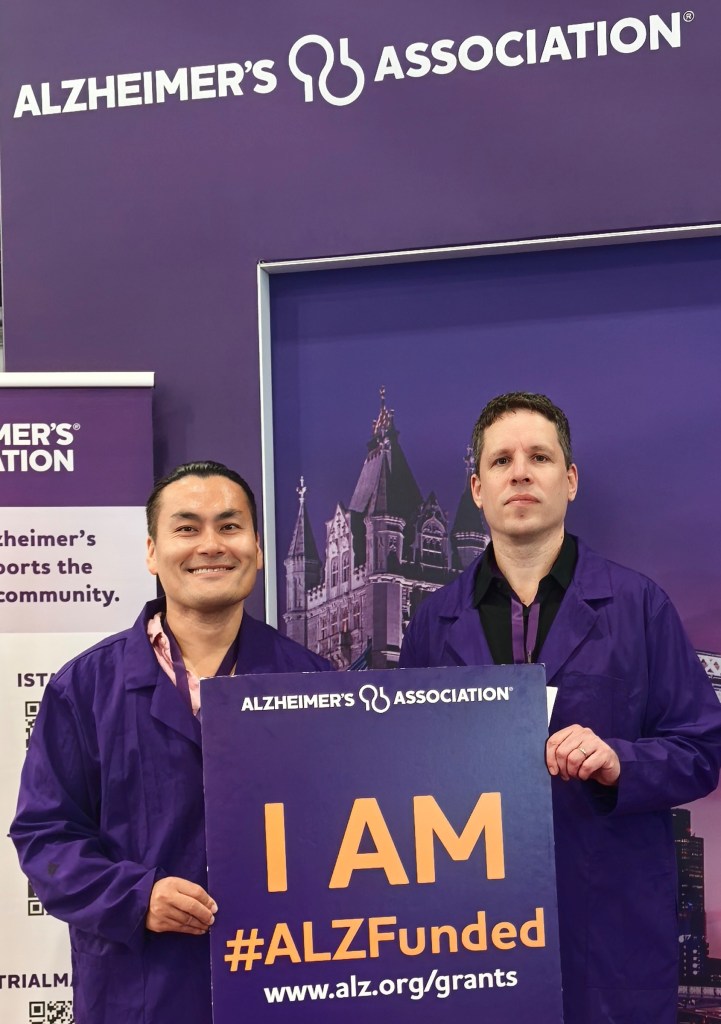


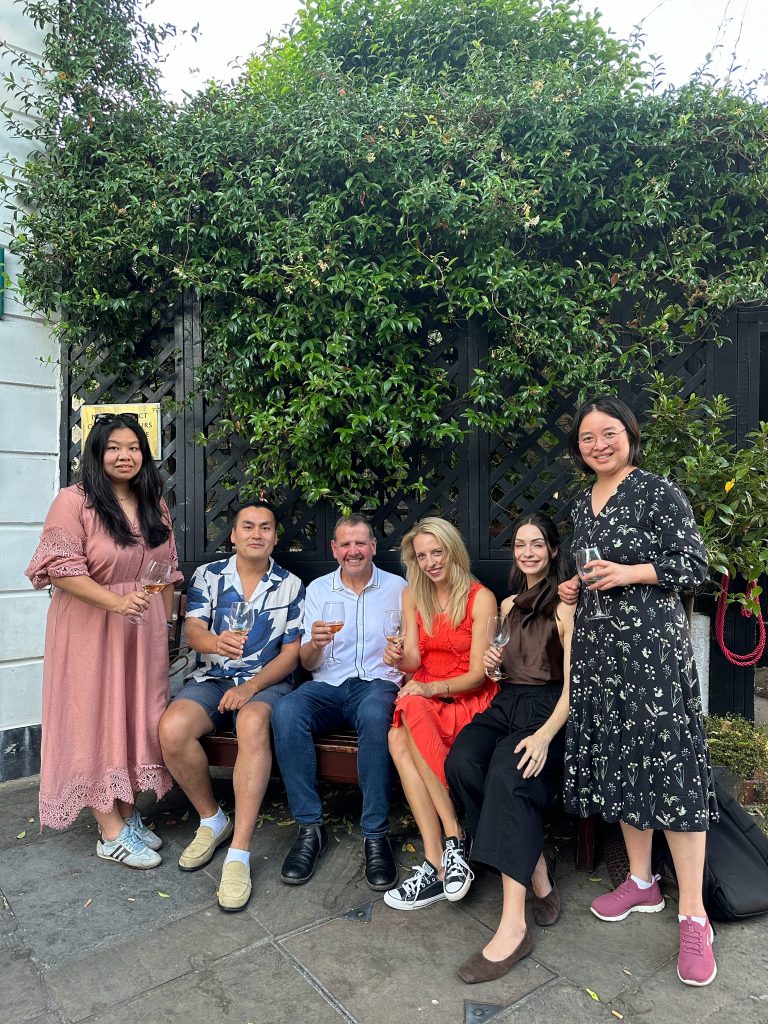
Photos: Mito-AD and private.

