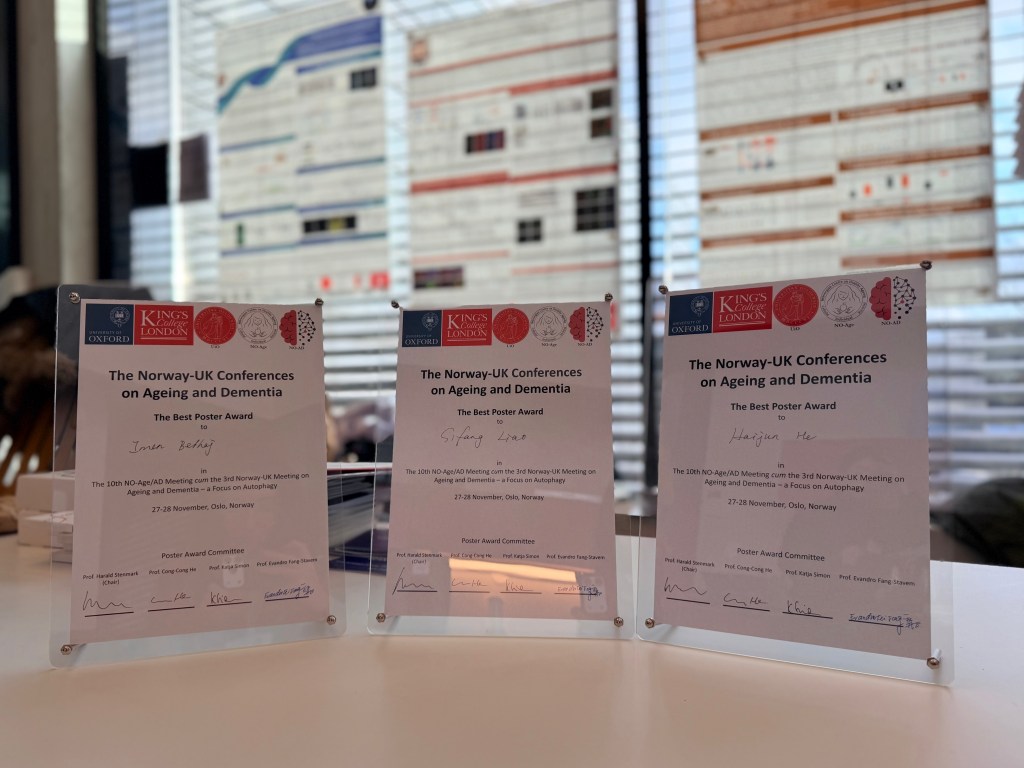
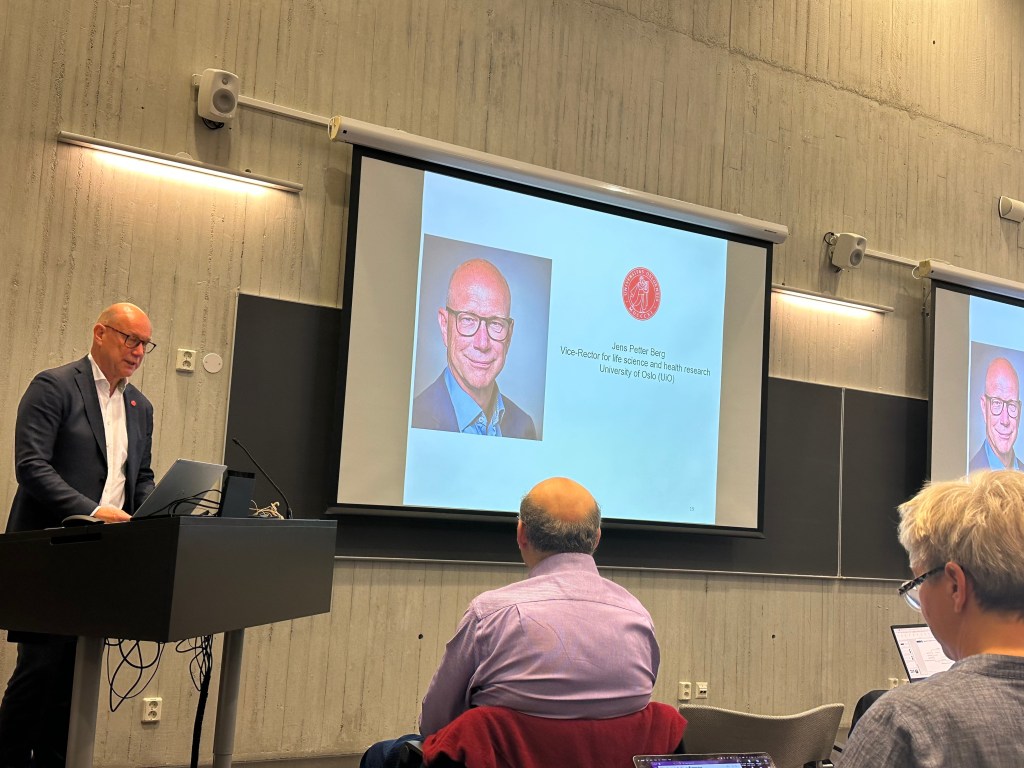
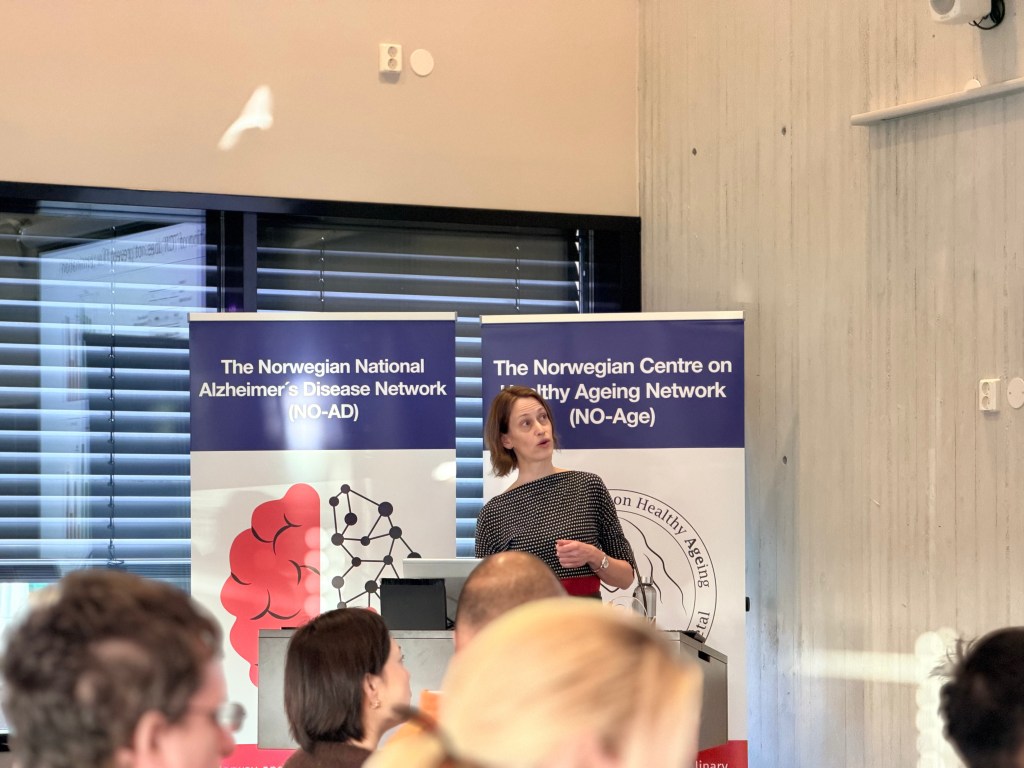
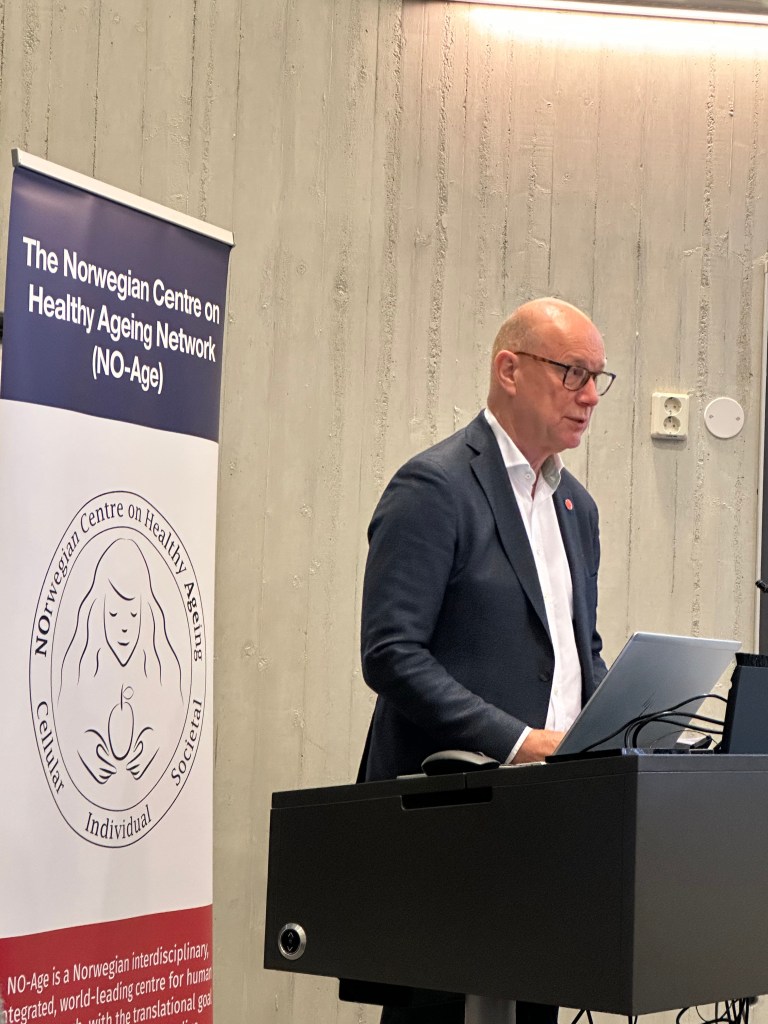
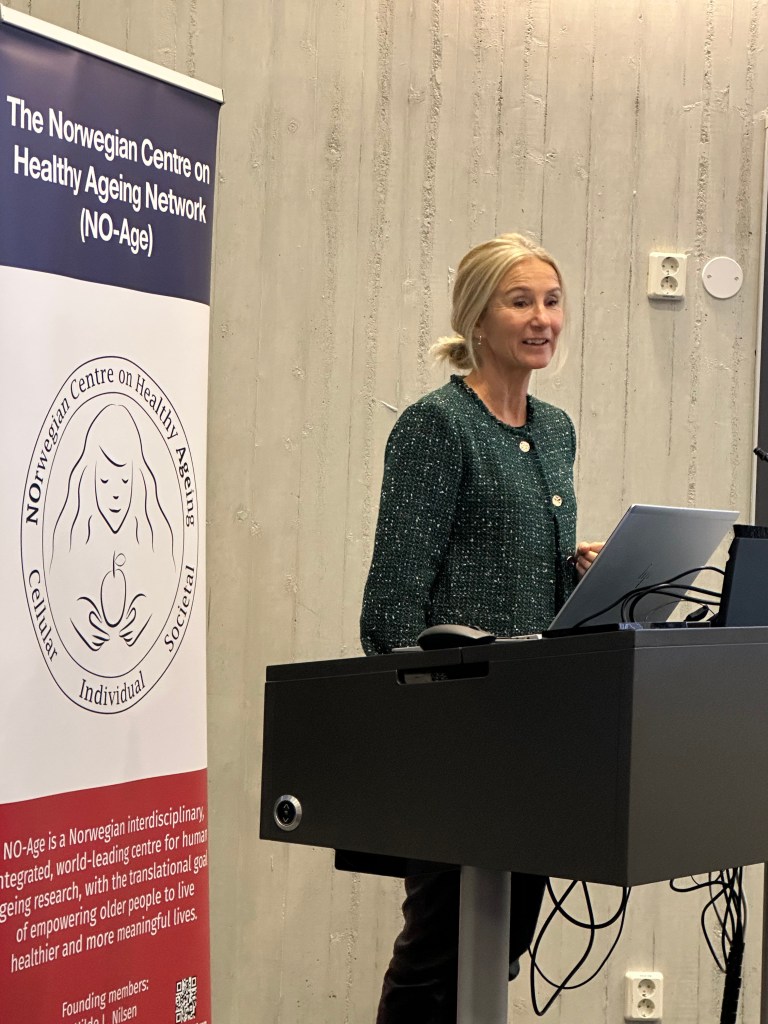
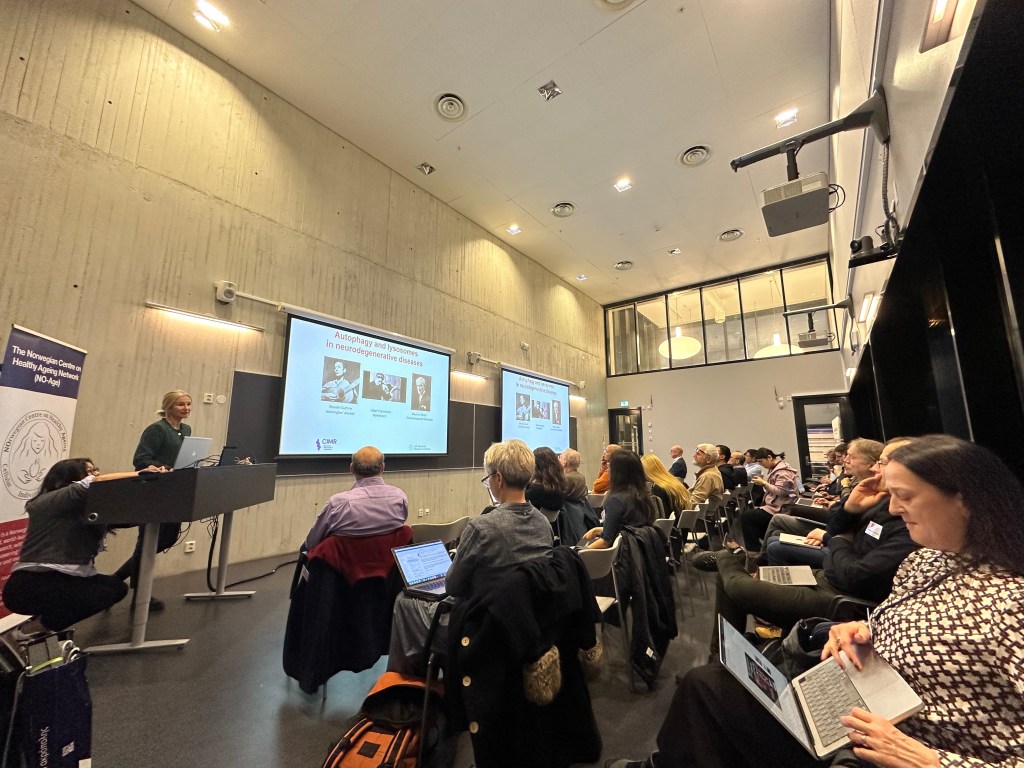
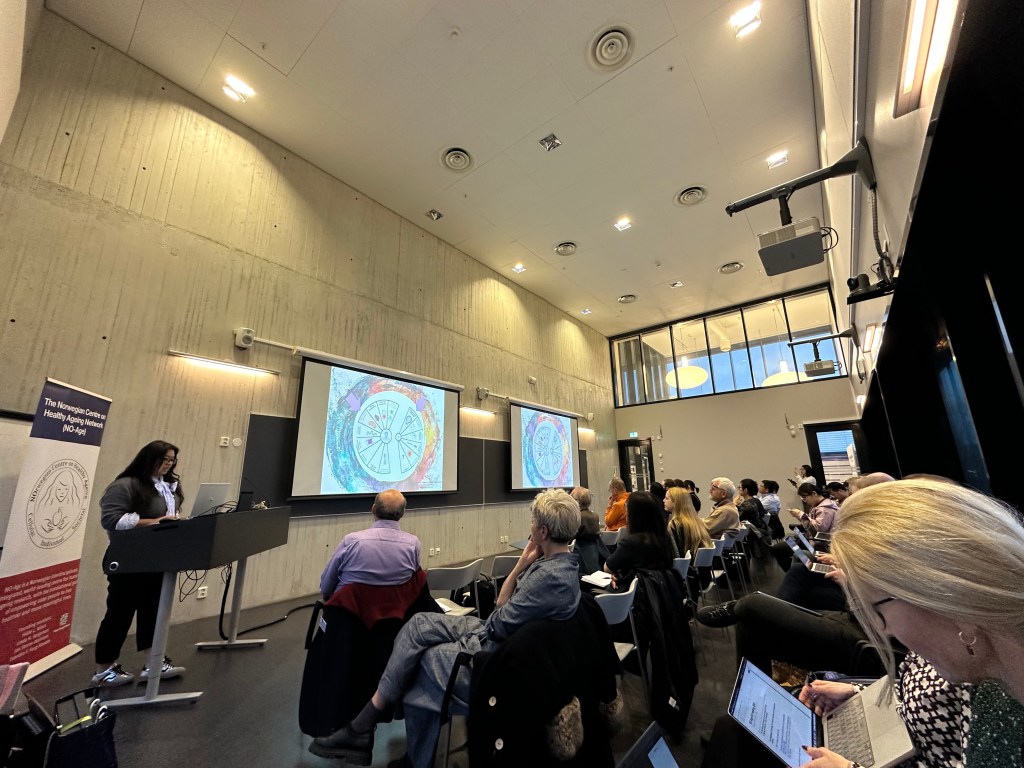
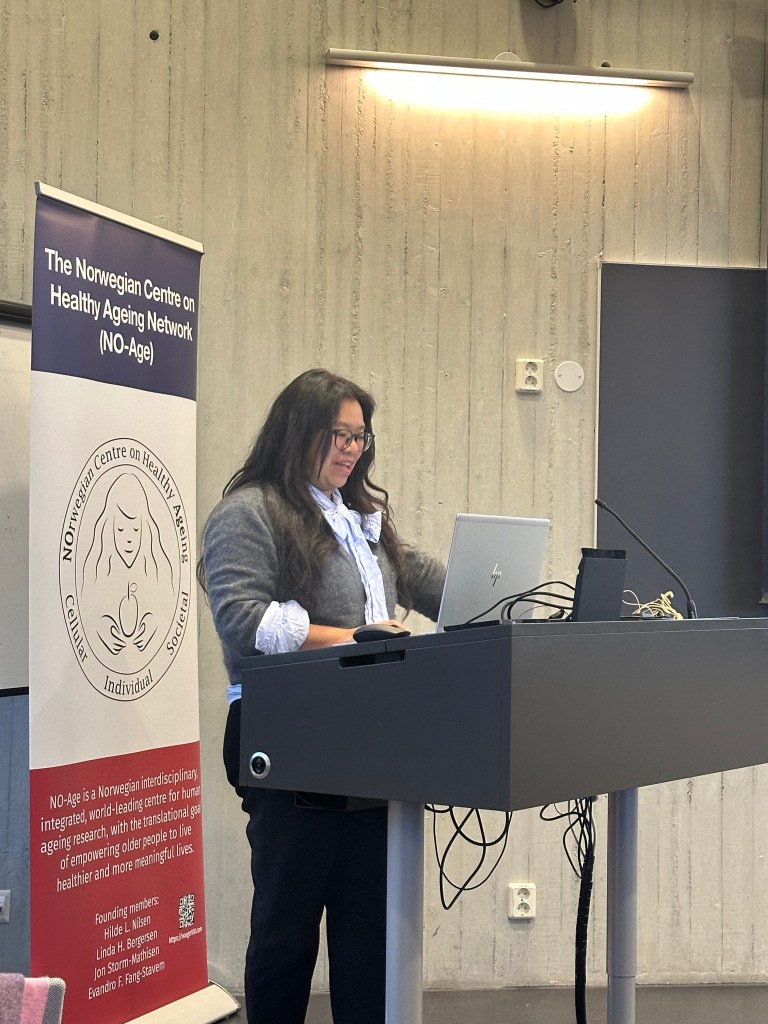
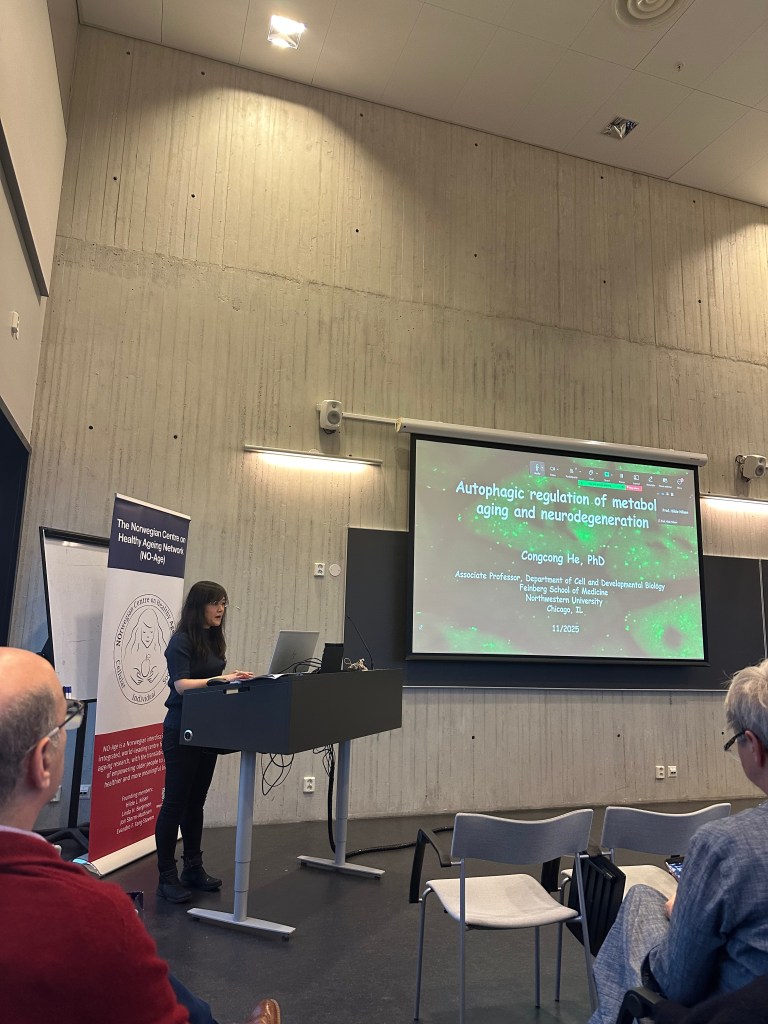
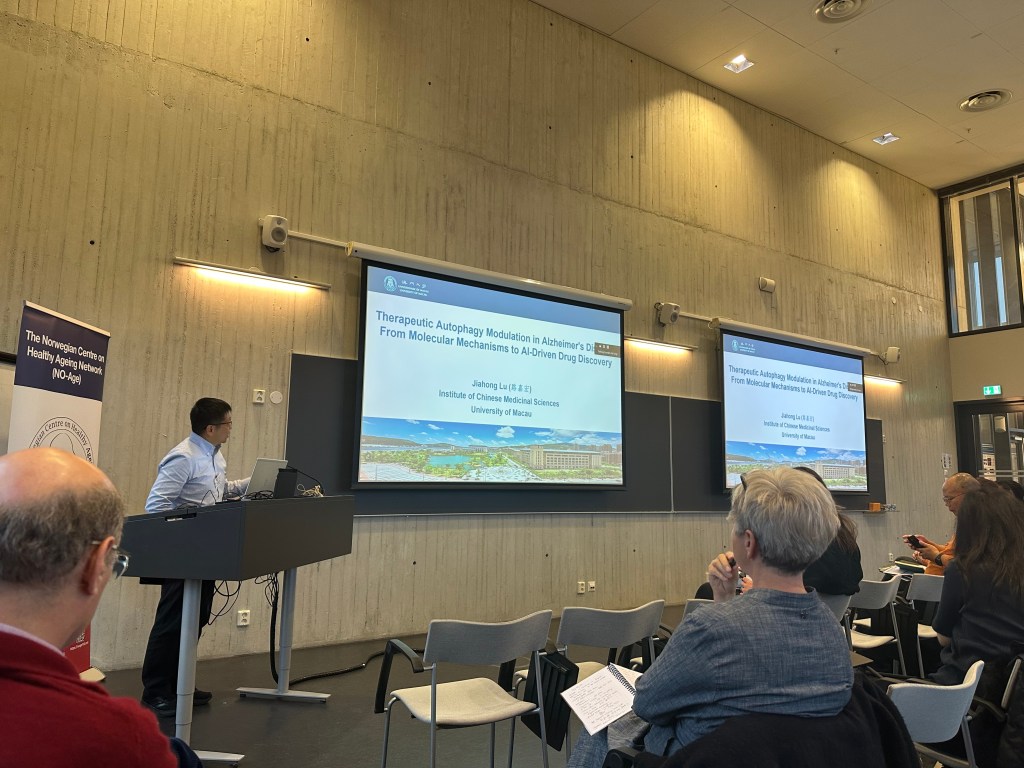
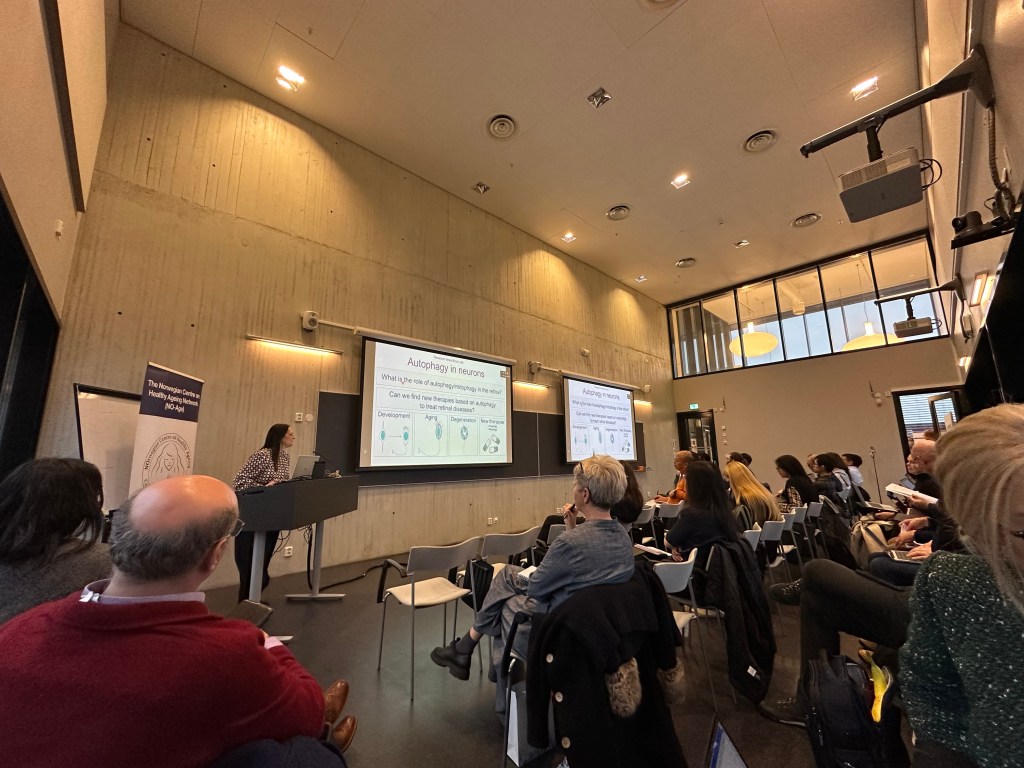
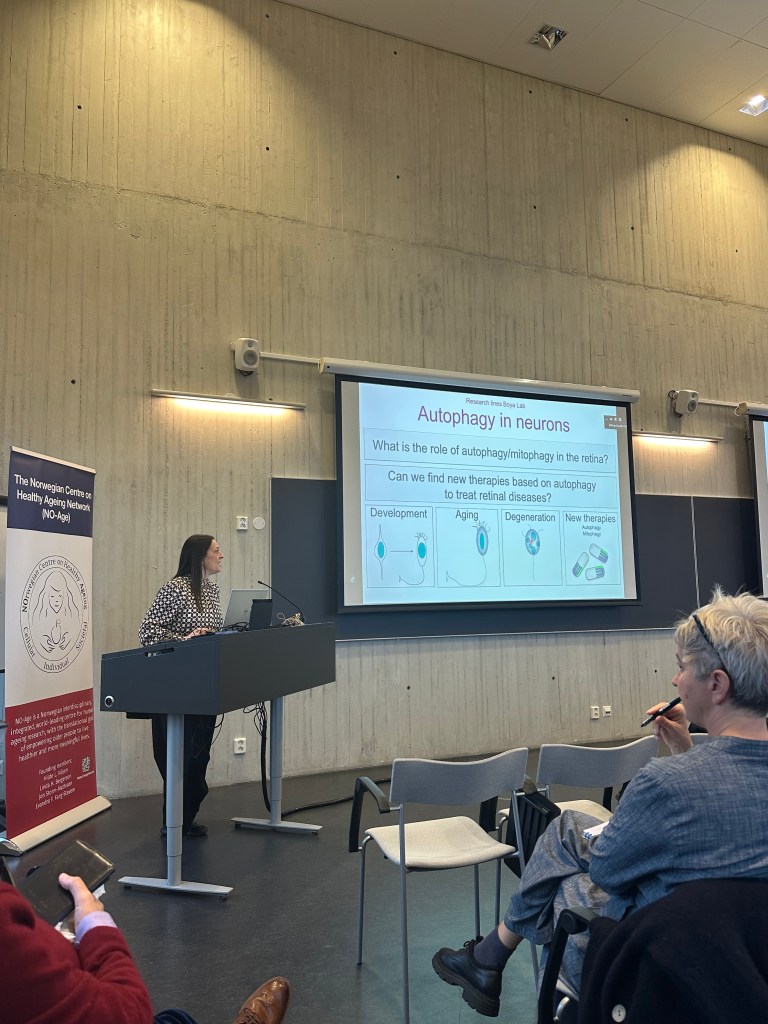
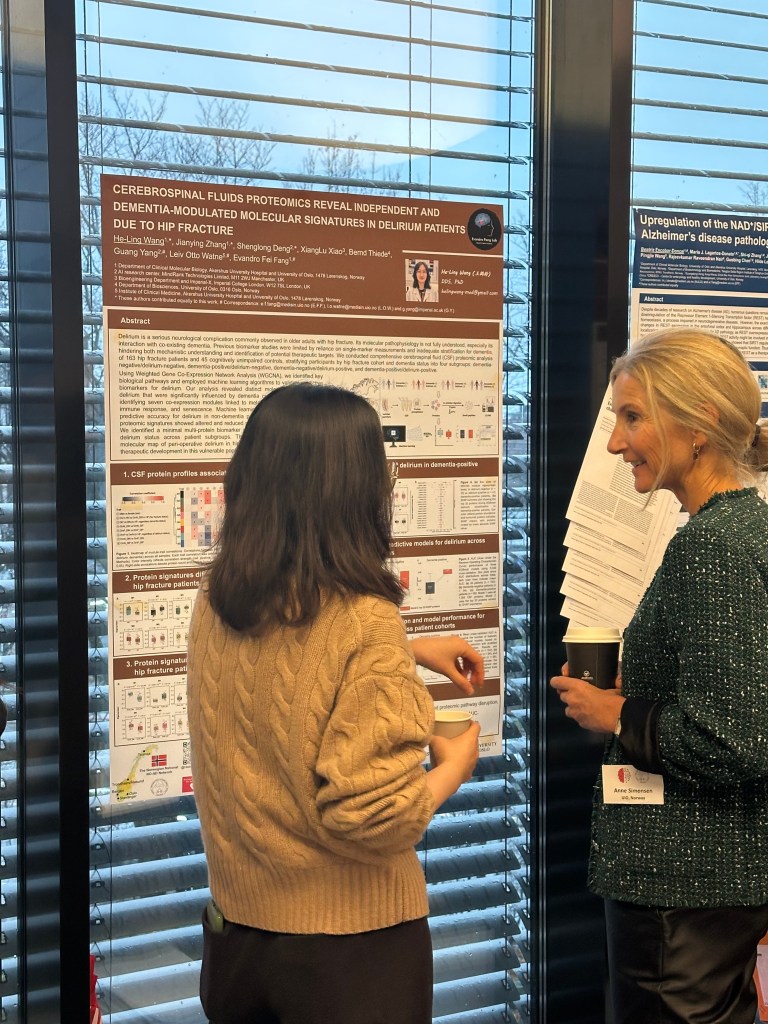
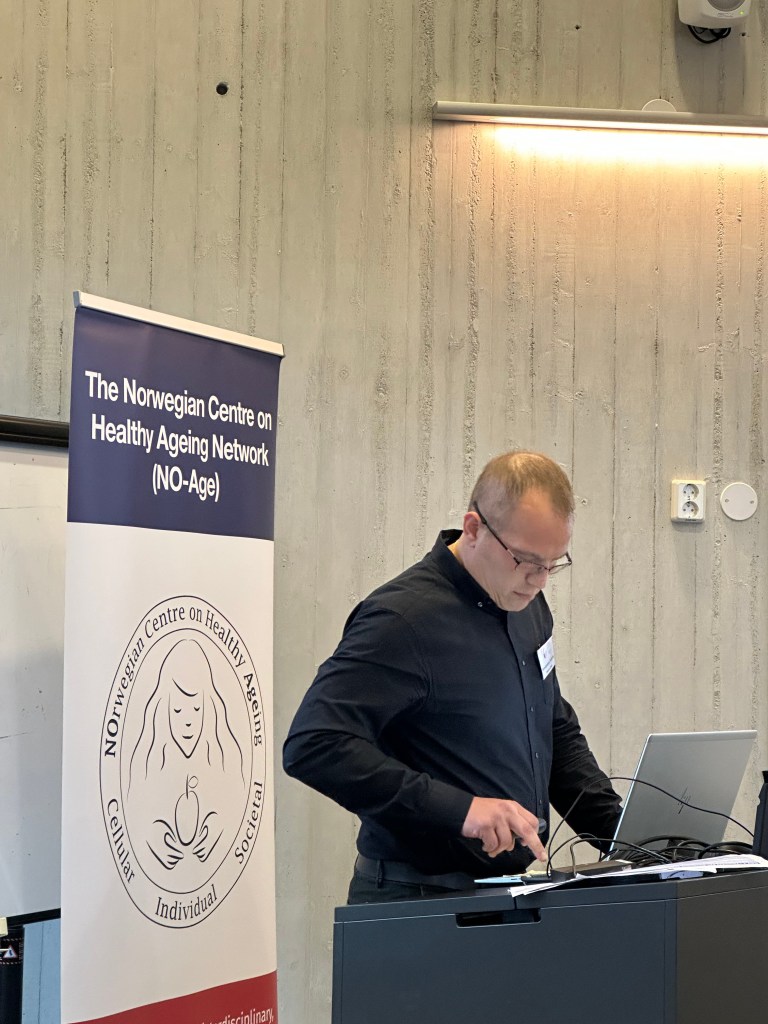
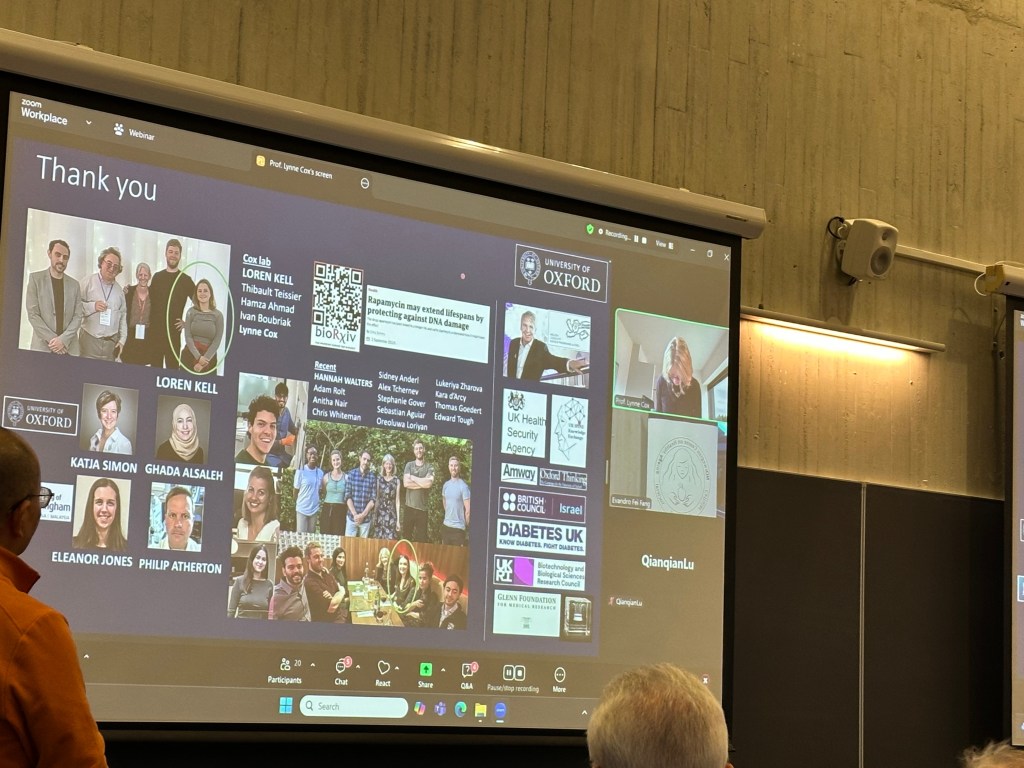
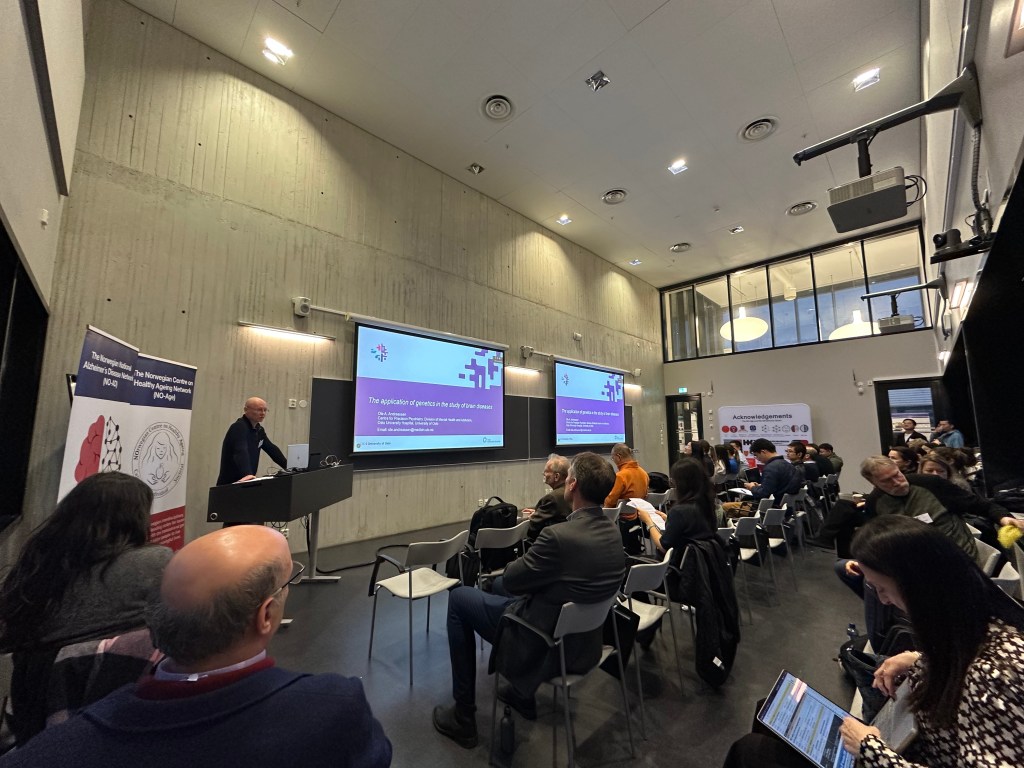
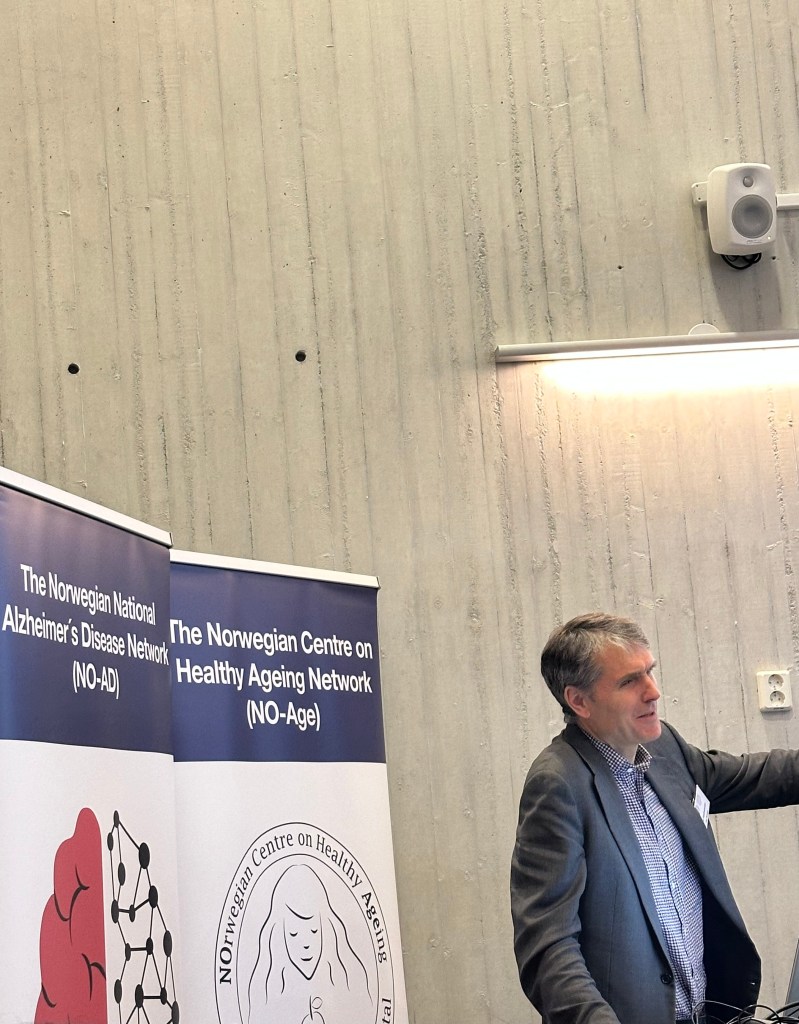
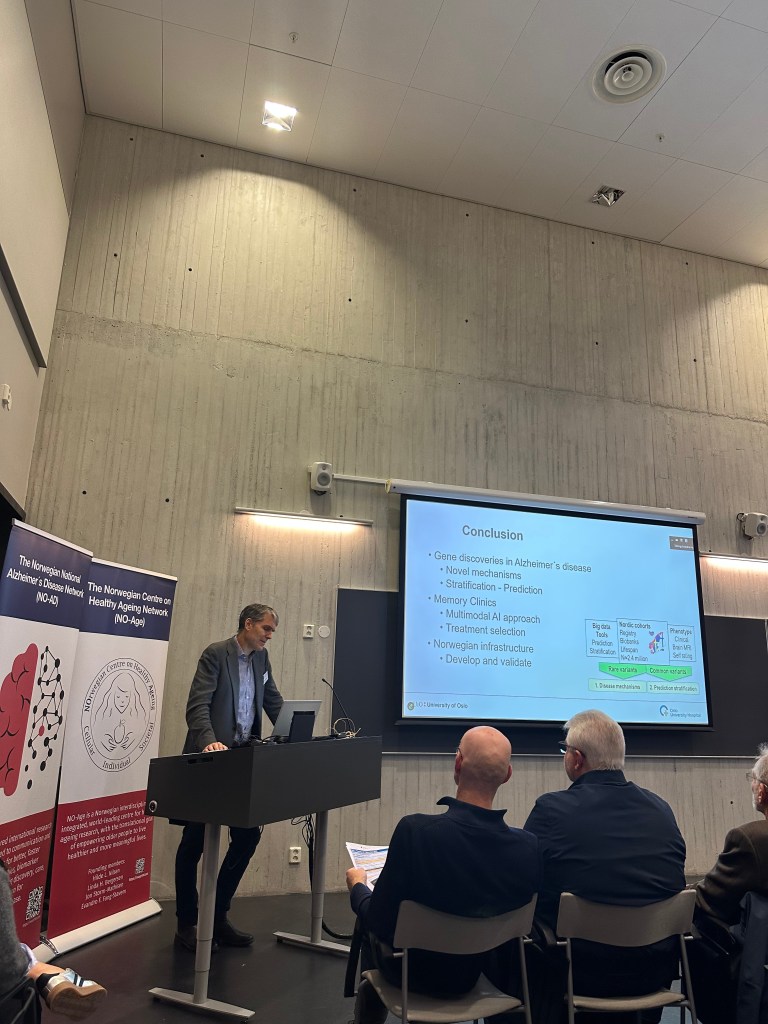
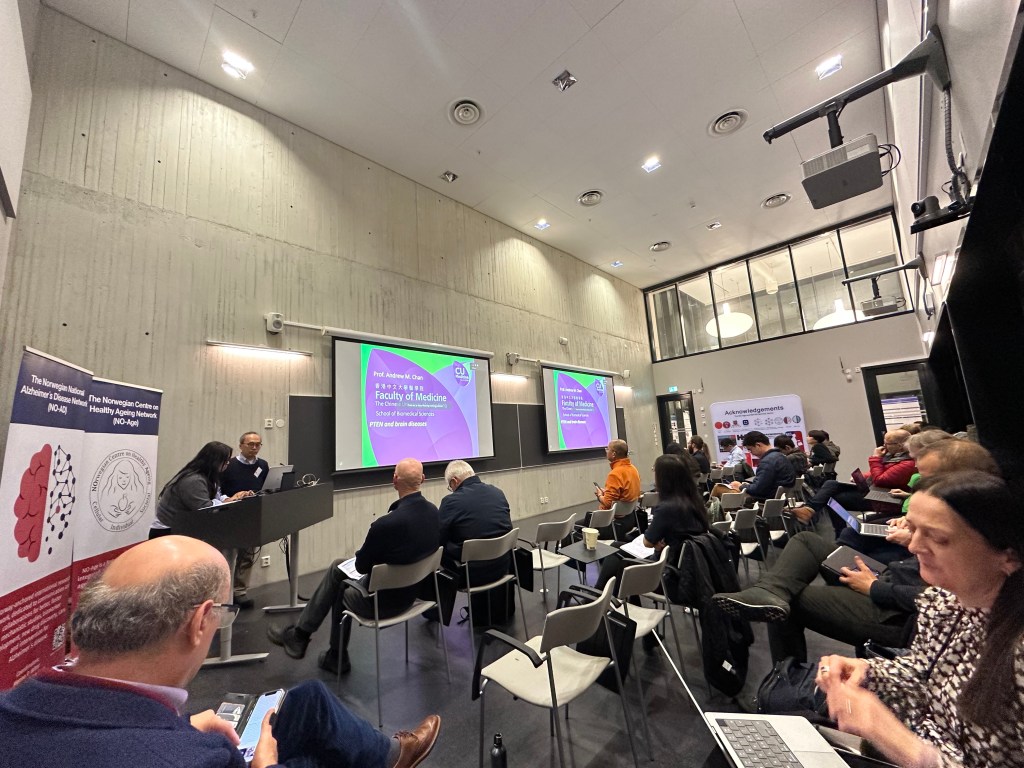
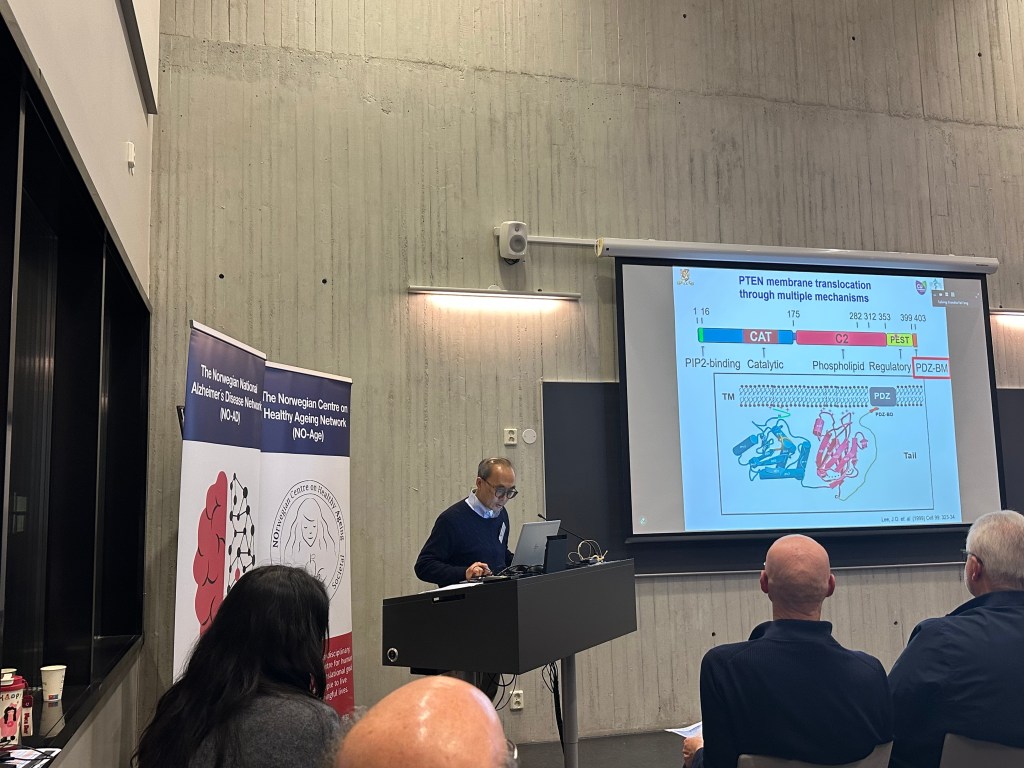
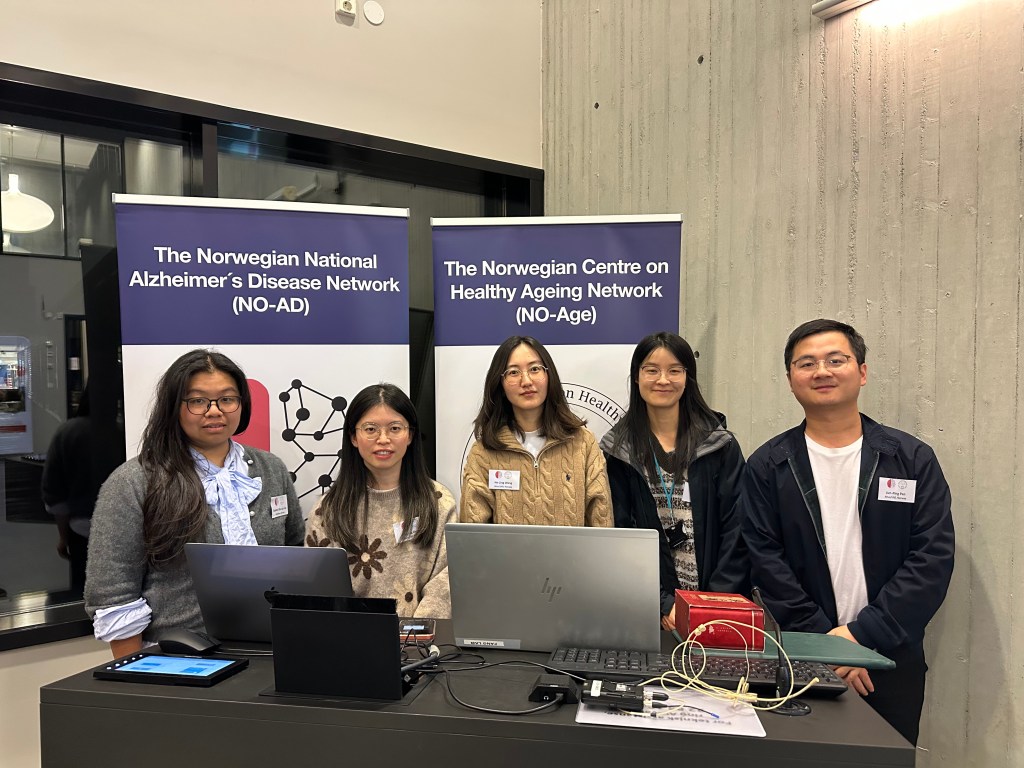
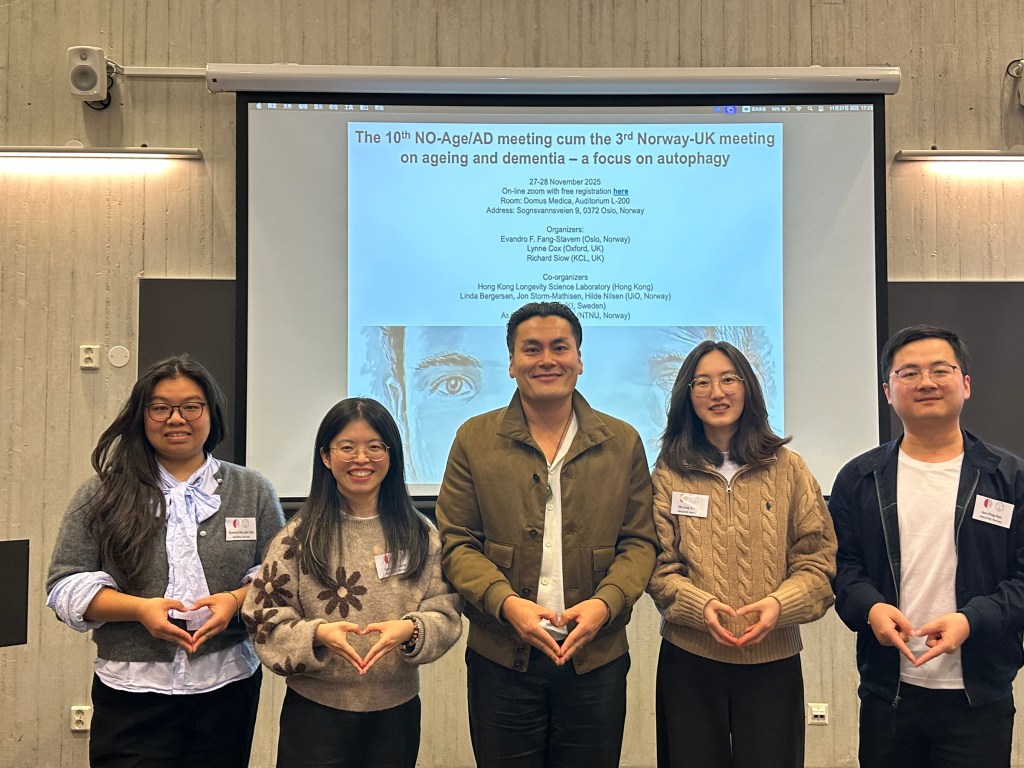
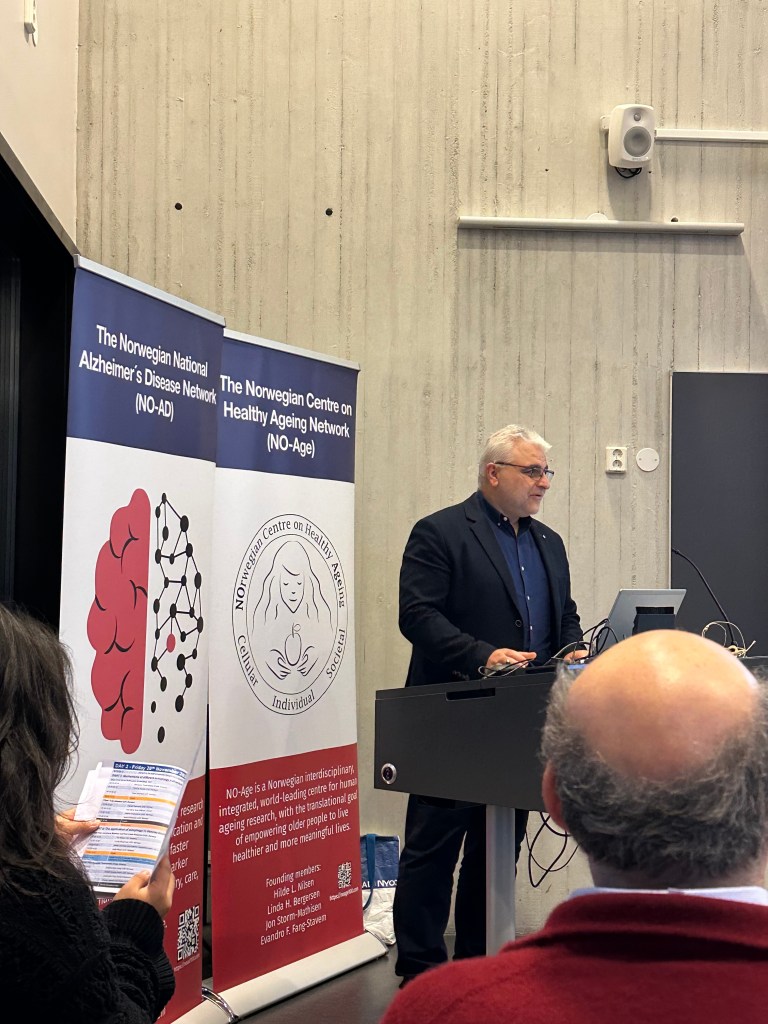
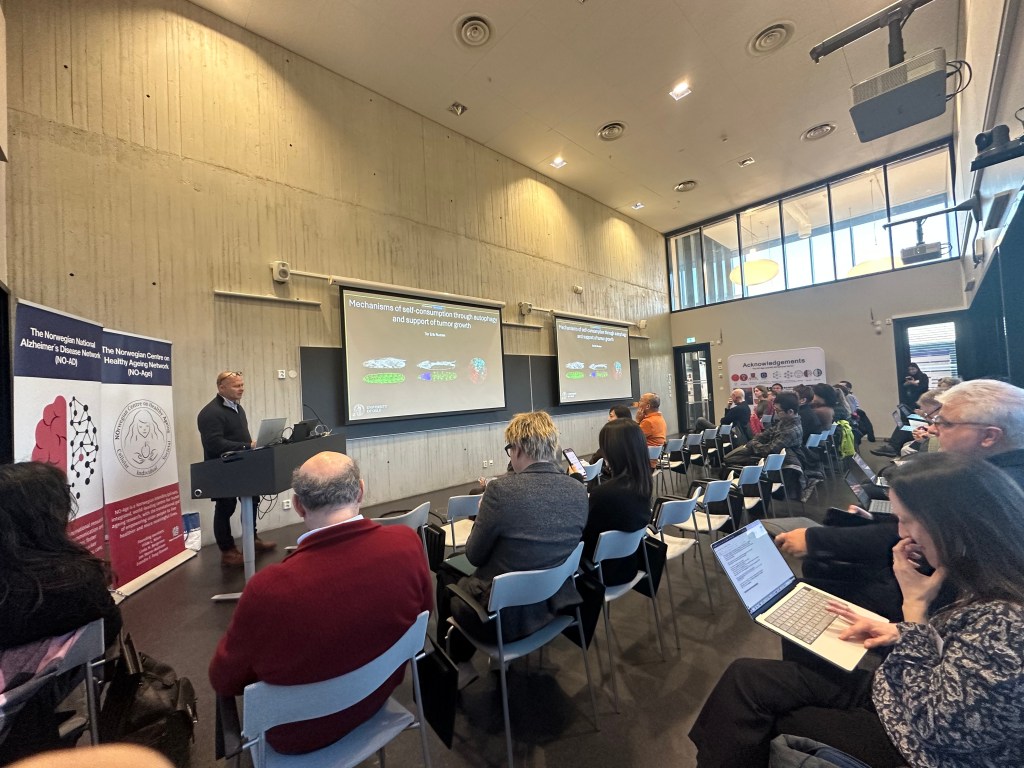
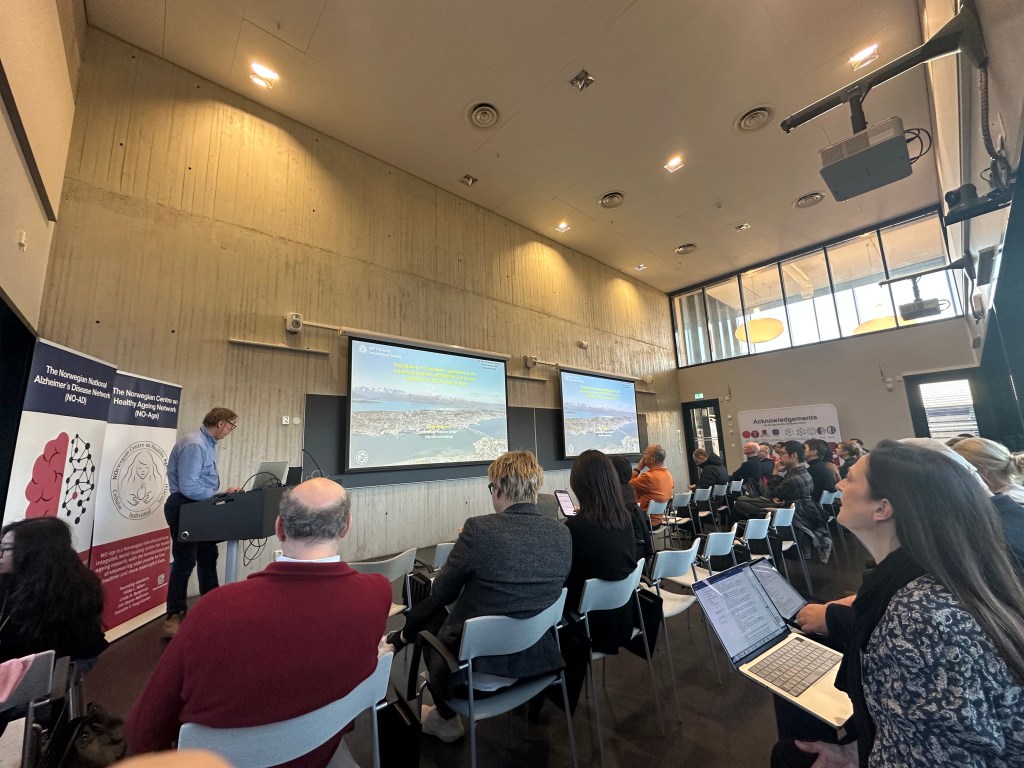
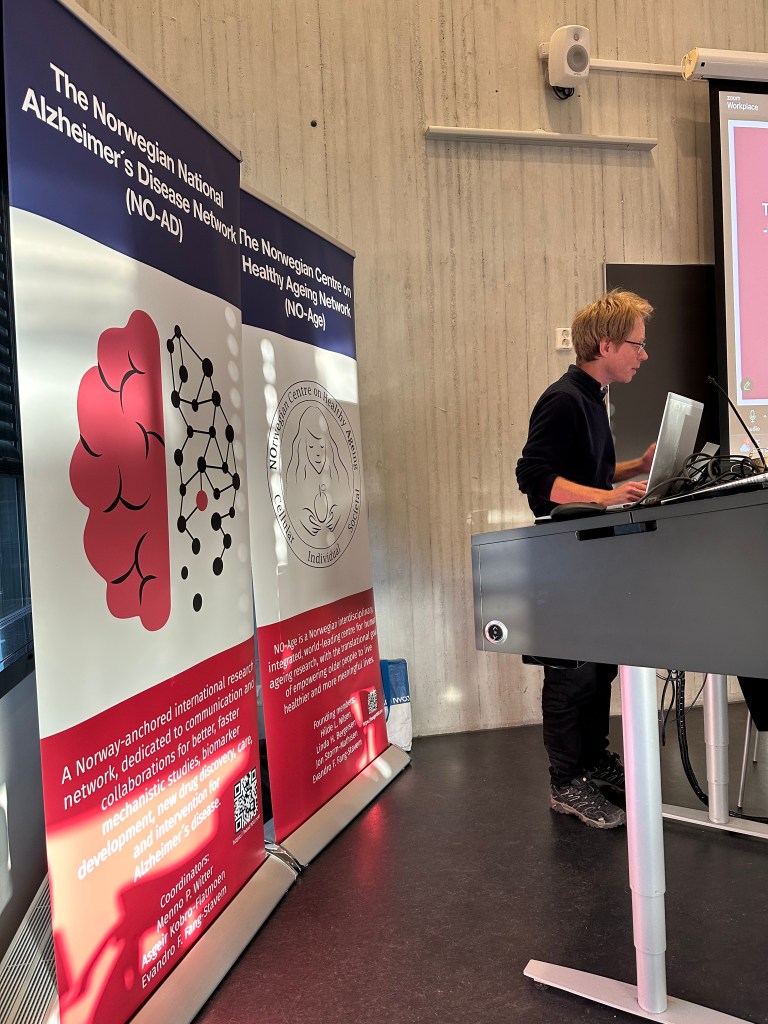
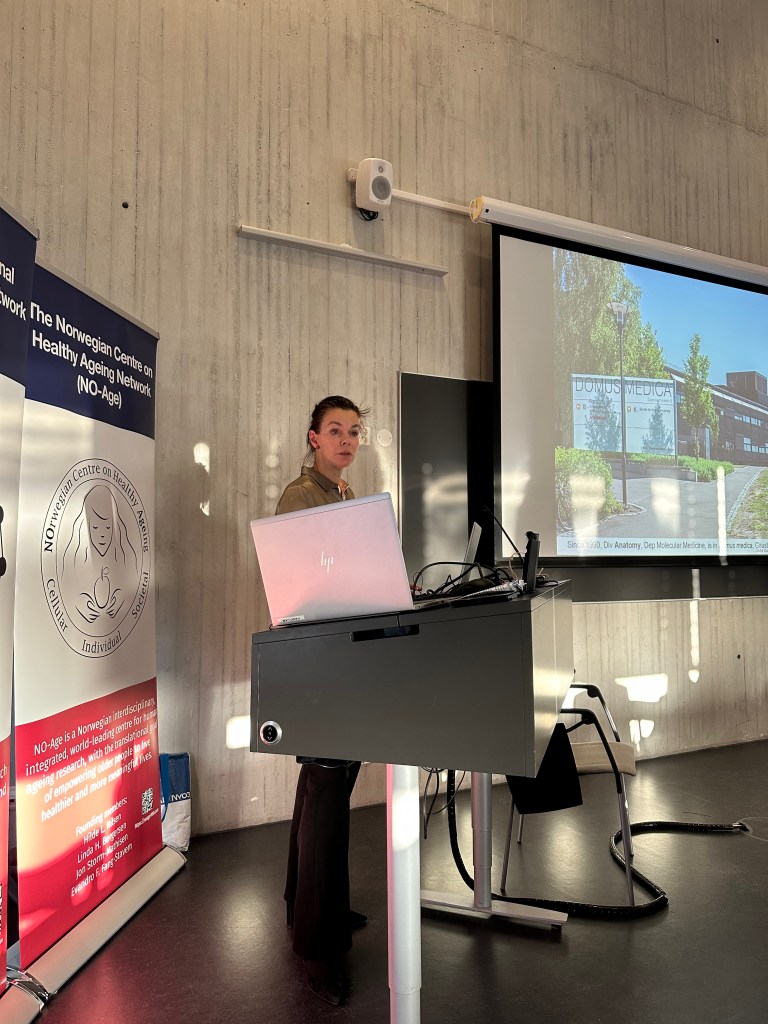
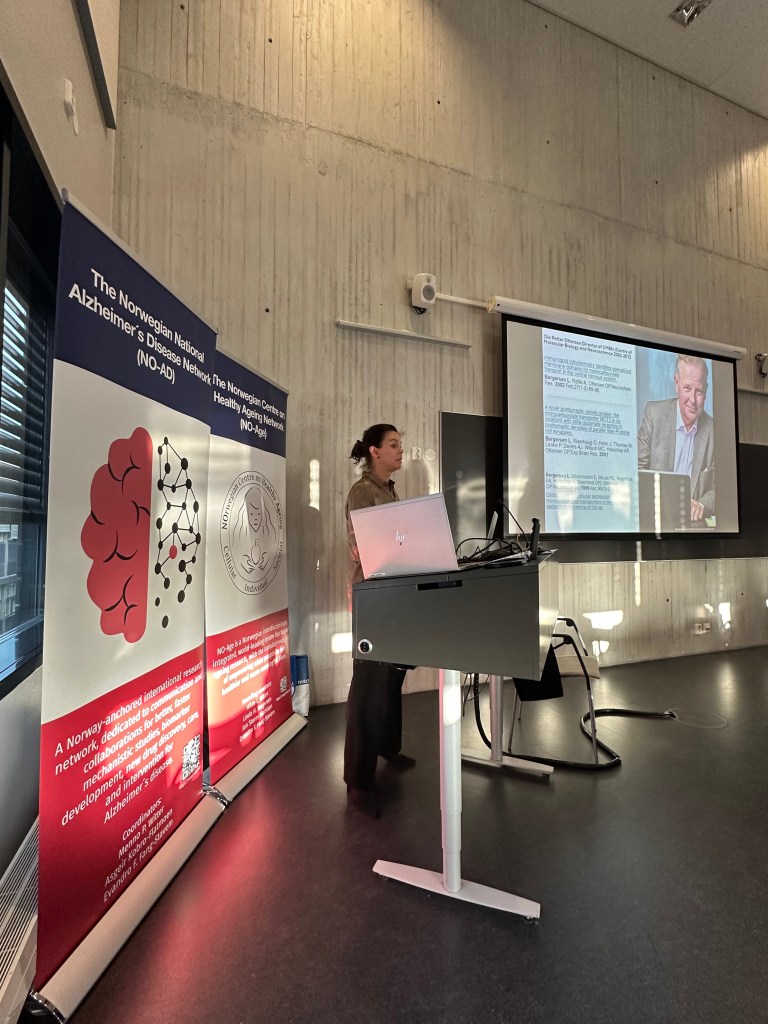
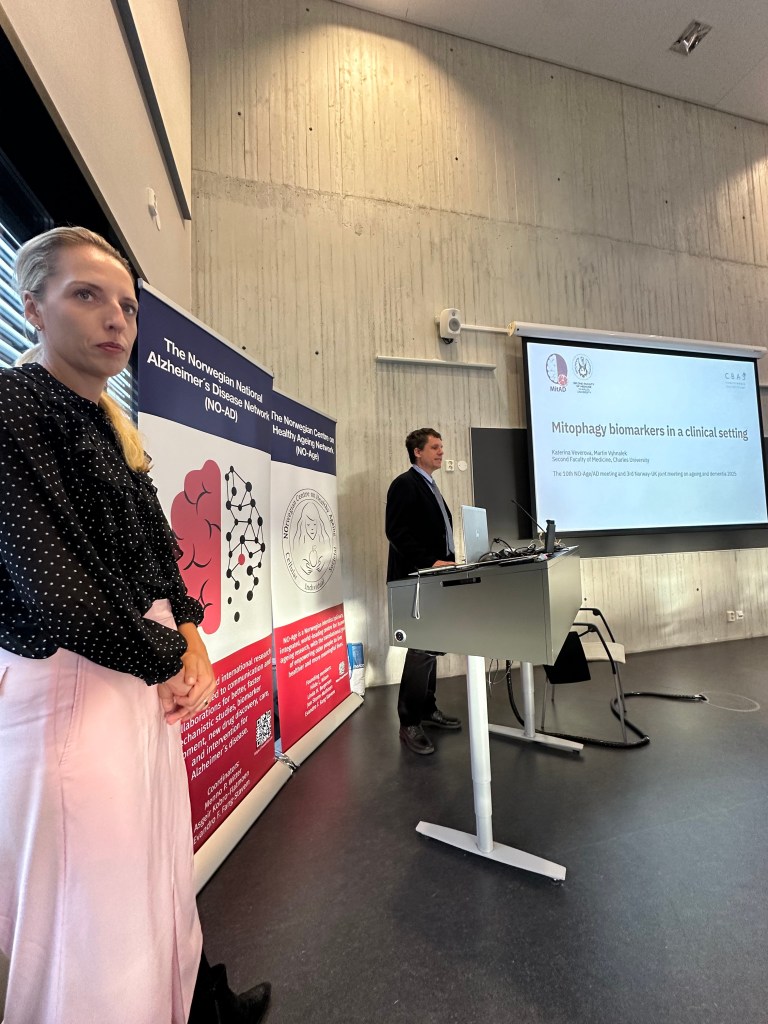
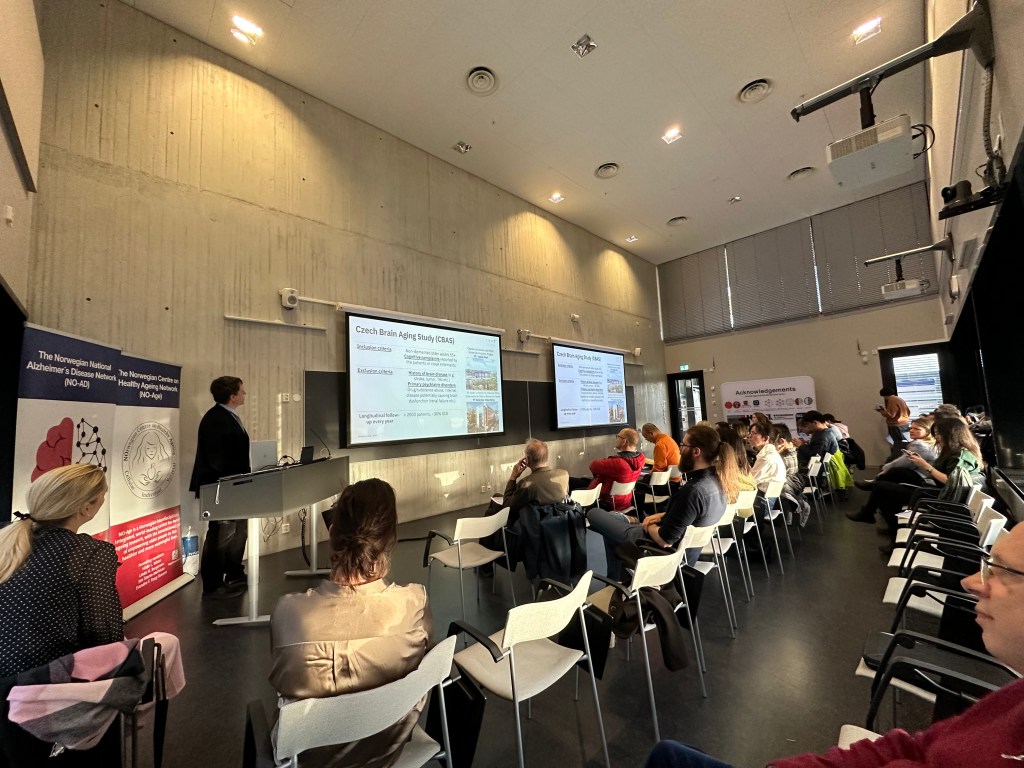
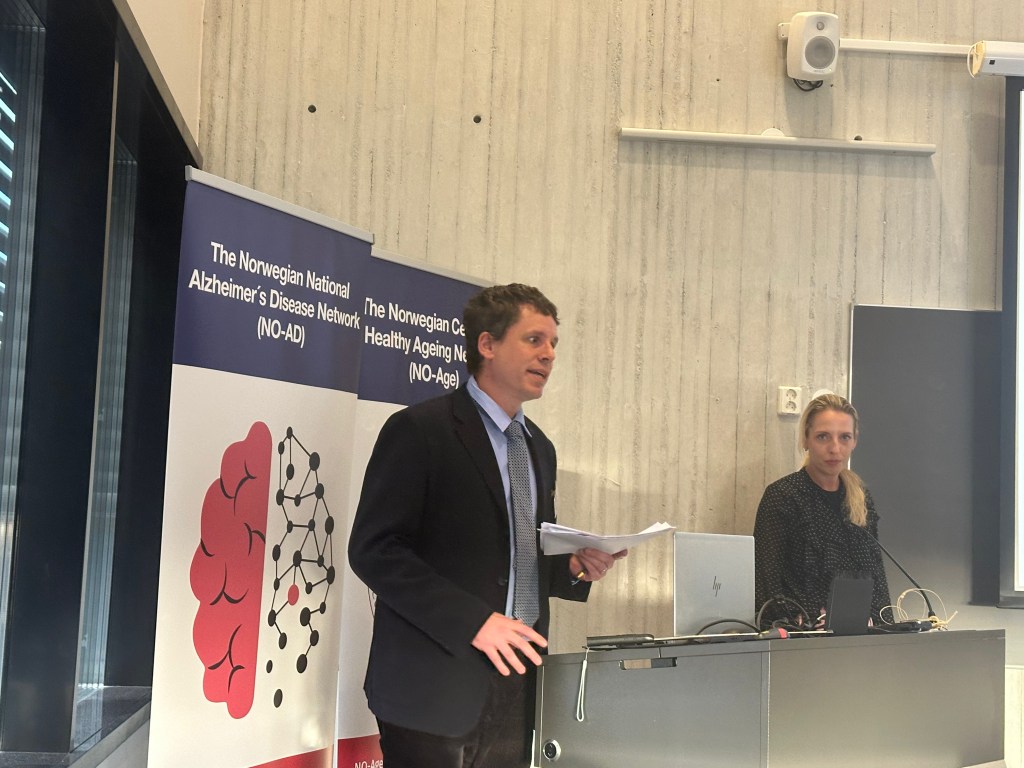
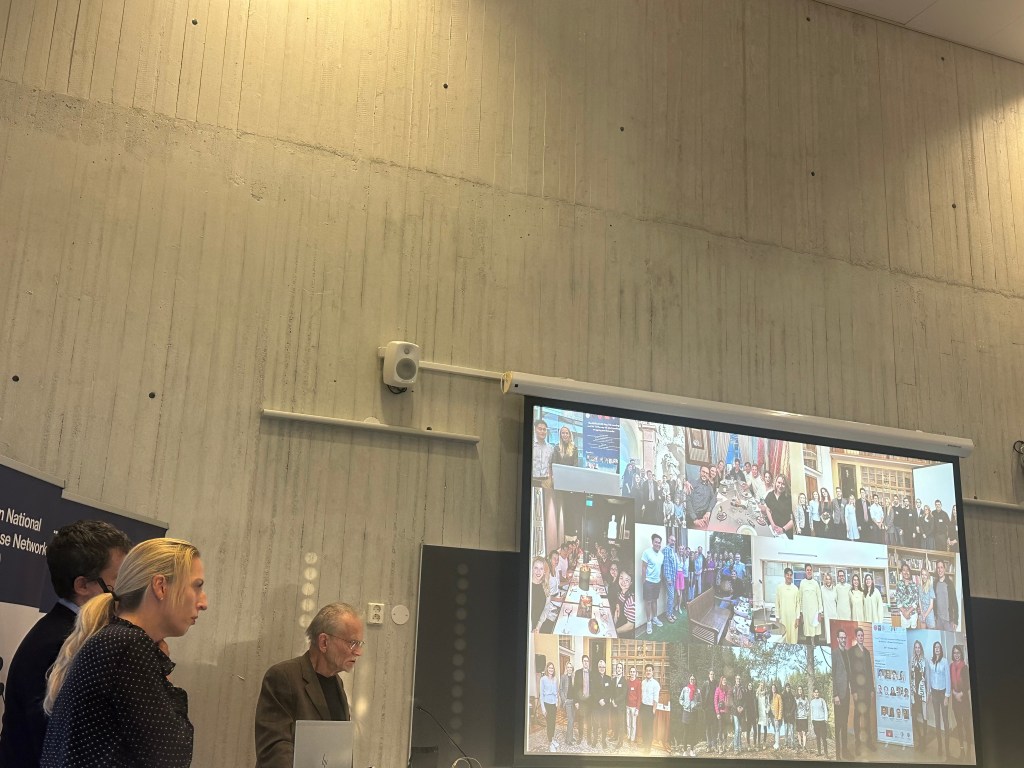
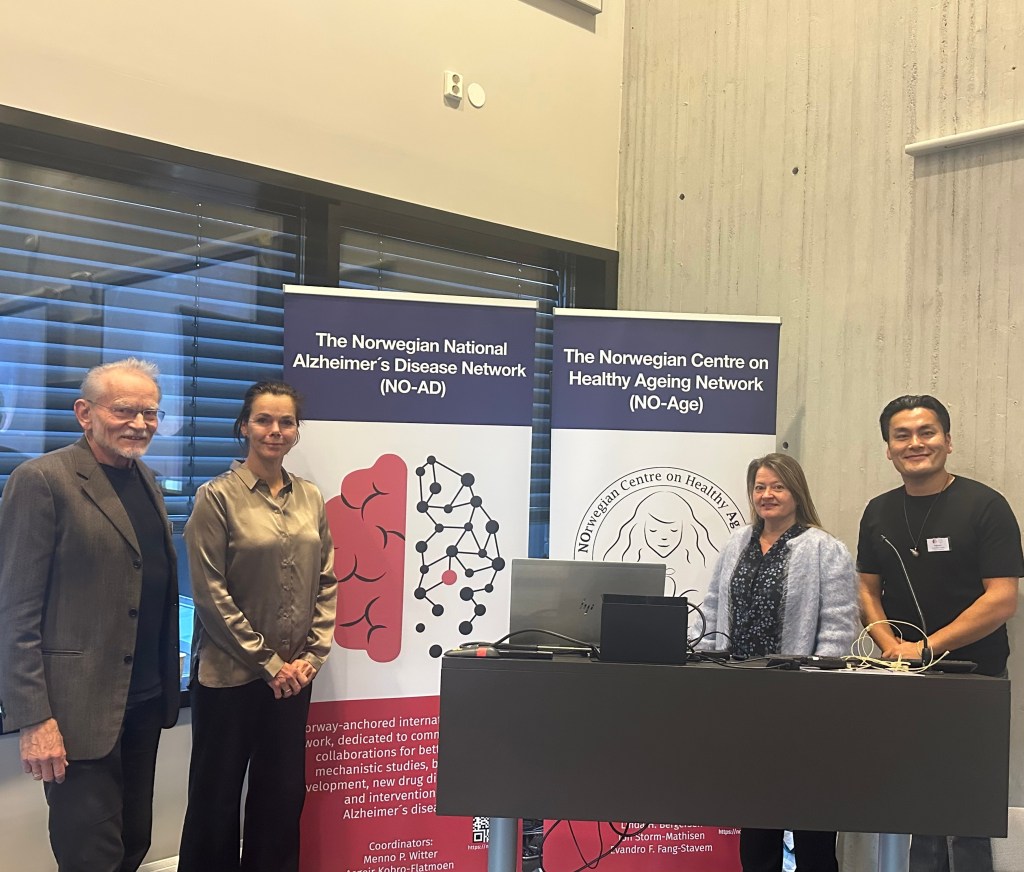
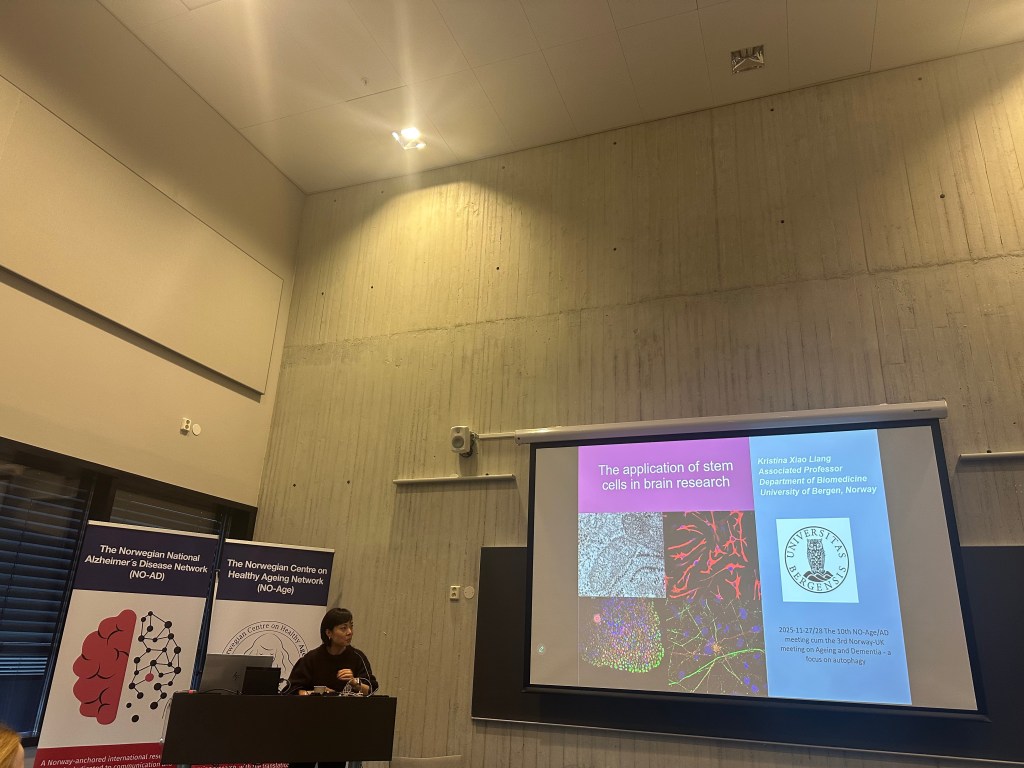
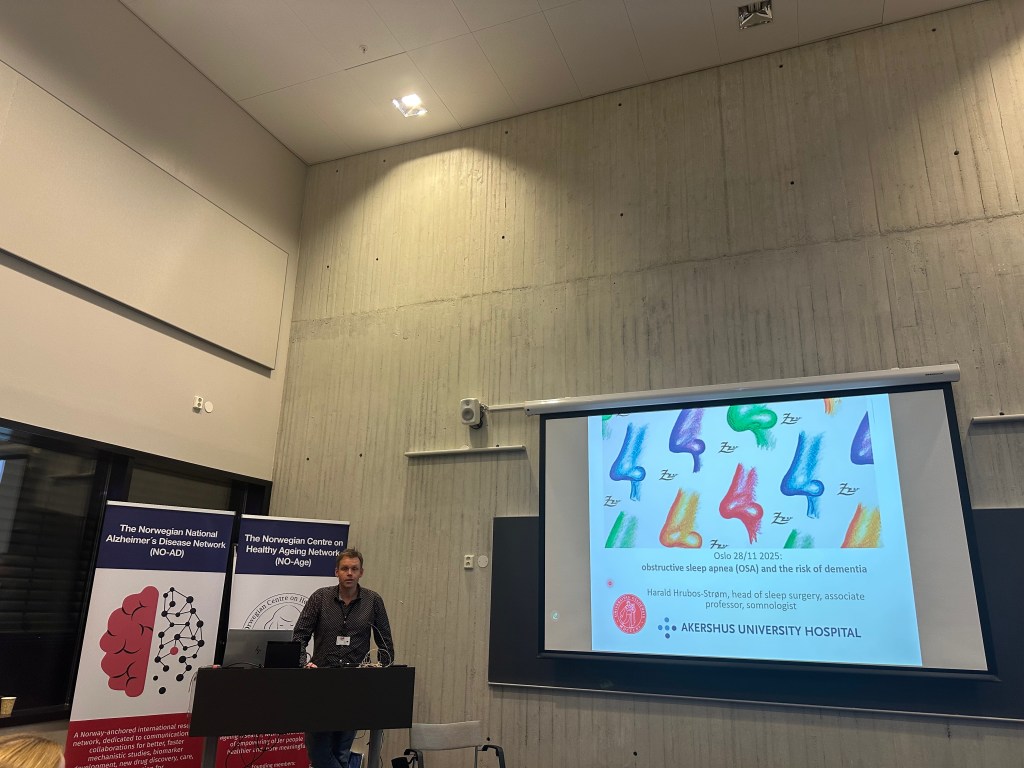
On 27-28 Nov. 2025, we had the 10th NO-Age/NO-AD Meeting – The 3rd Norway-UK Meeting on Ageing and Dementia – A Focus on Autophagy. A total of nearly 30 speakers and 200 attendants (on-site + on line) attended this event, and we have received effusive and very positive feedbacks on this event. Below, it is a visual media-based summary of our meeting (our programme).
NO-AD co-coordinator Associate Professor Evandro F. Fang, from the University of Oslo and the Akershus University Hospital (Ahus), has awarded a funding entitled ‘TURNING UP MITOPHAGY TO BLUNT ALZHEIMER’S TAU PATHOLOGIES’ from the prestigious Alzheimer’s Disease Fund. In this project, Fang aims to investigate molecular mechanisms of defective mitophagy in pathological Tau environment and will explore the anti-Tau capacity in the condition of restoring mitophagy in different AD model systems. The funding is 200,000 USD/year for two years pending extension.
Abstract of the project Alzheimer’s disease (AD) is on the rise, affecting approximately 45 million people worldwide. AD imposes a formidable socioeconomic burden on individuals, their families and society at large, to the annual tune of 1 trillion USD in 2018. Yet, despite more than a century of extensive research, there is still no cure. Many attempts to treat AD have been unsuccessful. As such, there is a need to expand the current range of research to elucidate additional causes of AD, allowing the identification of new culprits that will provide novel strategies and targets for anti-AD drug development. Mitochondria are subcellular organelles and are the cell’s “powerhouses.” Our brain consumes startling amounts of energy, especially when compared with other organs. The provision of this level of energy is dependent on a healthy mitochondrial pool. Unfortunately, mitochondria are susceptible to endogenous (e.g., oxidative stress) and exogenous (e.g., unhealthy food) stressors. However, damaged mitochondria are specifically identified and removed by our body’s “garbage disposal system”—a process known as “mitophagy.” The efficiency of this “disposal system” deteriorates noticeably with age, leading to the accumulation of damaged mitochondria and other ‘brain garbage.’ Accordingly, the accumulation of massive “brain garbage” leads to neuronal death and impaired memory, as observed in neurodegenerative disease such as AD. The Evandro Fang group at the University of Oslo is among the first groups to propose and demonstrate a likely causative role for defective mitophagy as a key driver in AD initiation and progression. However, the exact mechanisms underlying the interplay of defective mitophagy in AD progression remain elusive. Thus, with this Cure Alzheimer’s Fund grant, we aim to extend our research into understanding the mechanisms underlying the defective “garbage disposal system,” both in tau pathology and in the broader development and progression of AD. This approach may revolutionize our understanding of AD and serve to direct clinical drug discovery in new and more fruitful directions. Ultimately, our work on AD could reduce the socioeconomic burden of the disease and help to improve the quality of life for millions of AD patients and their families across the world.
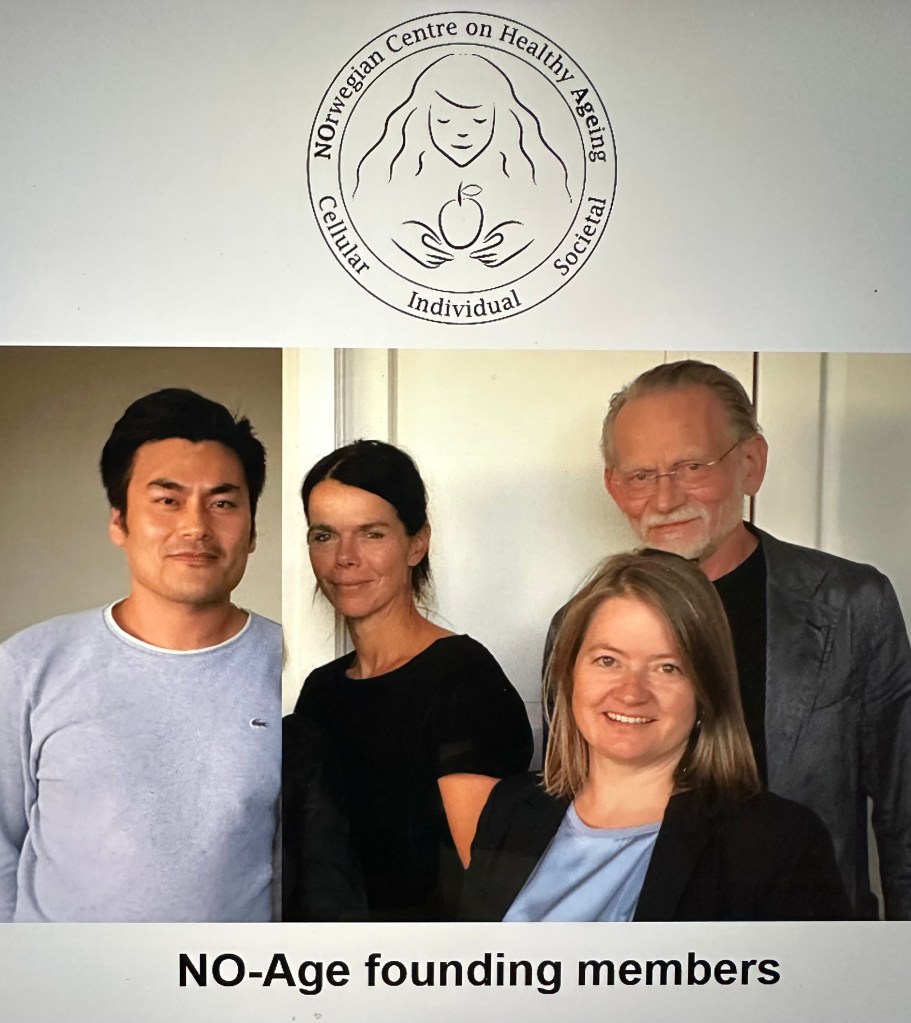
The NO-AD Network logo is here designed by a talented and artistic Ph.D. student from the University of Oslo (UiO), Imen Belhaj, M.Sc.
The logo: The left part of the logo is an Alzheimer’s disease (AD) brain which is diseased as indicated by the red color. The right side shows the neuronal network in the AD brain that is disorganized; the red dot denotes the entorhinal cortex (EC), the earliest region showing pathology in AD. Norwegian (NO) scientists are playing a leading role in understanding how the neuronal networks in the EC function in memory and how the early changes in this region contribute to AD pathogenesis.
NO-AD researchers aim to merge basic research on memory coding in the brain with insights into changes in neuronal and network mechanisms in Alzheimer patients, in order to unravel the clues underlying this devastating disease. The NO-AD network connects basic and clinical scientists to find means to prevent, delay or restore the functional deterioration of brain networks in AD patients
The artist: Imen Belhaj is now doing a Ph.D. at the University of Oslo with Prof. Linda H. Bergersen (NO-AD member) on how exercise improves brain health and delays memory loss in the elderly and in individuals with Alzheimer´s disease. (CV here)
Due to the many registrations, we have updated zoom to webinar, and thus please use the new link as a the attendee to join the webinar: https://uio.zoom.us/j/62369306020
For invited speakers, please use the ‘panelist’ link you received from Zoom; any questions email e.f.fang@medisin.uio.no.
This event is organized by the Norwegian National anti-Alzheimer’s disease network (NO-AD), and we are pleased to invite you to attend our very first annual meeting (changed to zoom due to the COVID-19). Our NO-AD national members, Advisory Board members, and User Representatives have been invited to attend this one-day event via zoom. In addition to talks covering the latest progress of Alzheimer’s disease (AD) related to its etiologies, diagnosis, and transnational studies, there will be talks by major Norwegian politicians, industry partners, and AD patient family members covering broad topics of AD. Welcome.






































 NO-AD
NO-AD 